Cape Tribulation: Where The Rainforest Meets The Reef
Cape Tribulation is the headland north of the Daintree River where the world's oldest tropical rainforest runs straight into the Coral Sea. Two hours from Cairns and a cable-ferry crossing away, it is the one coast where you can walk under fan palms in the morning and reach a fringing reef the same afternoon. Here is how to plan it.
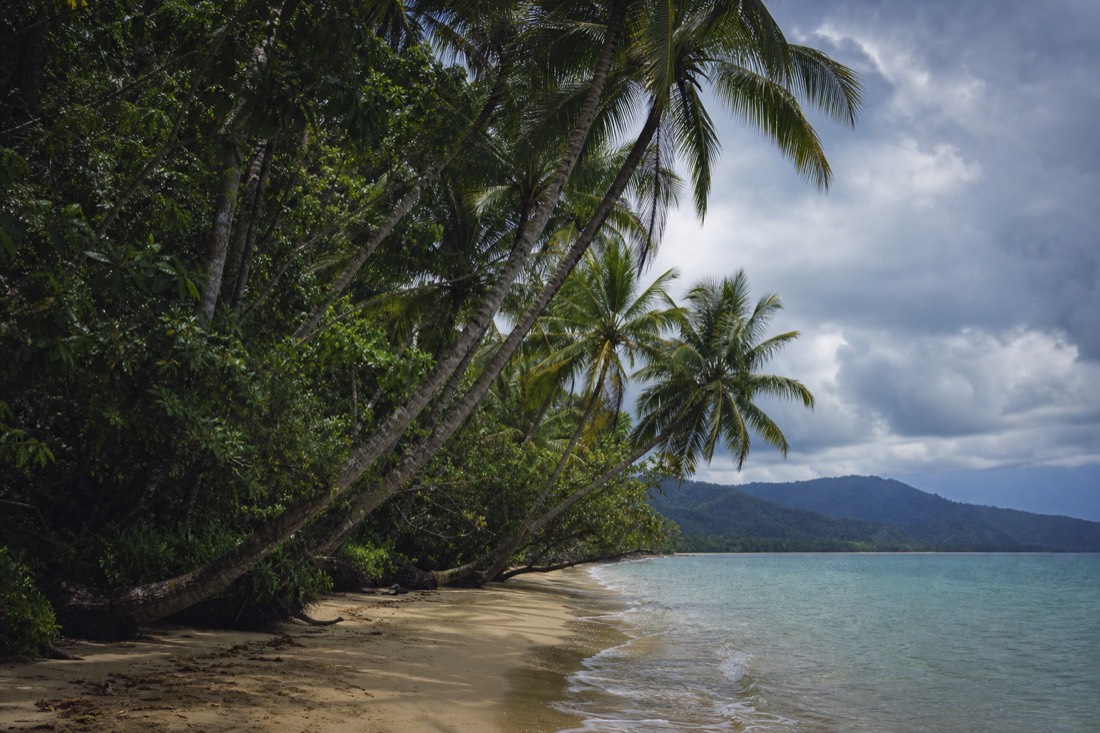
Stand on the sand at Cape Tribulation and the map does something strange. Behind you, forest that has grown here for over 180 million years climbs the ridge in a wall of fan palms and strangler figs. In front of you, the Coral Sea hides a fringing reef you can reach in about half an hour. This is the seam where two of Australia's great wild places press right up against each other, and there is nowhere else quite like it.
Booking Choice: For a first visit, choose the Daintree and Cape Tribulation Day Tour for guided rainforest and beach walks, a Daintree River cruise, ferry transport and lunch.
Check Dates For The Daintree And Cape Tribulation Day TourIt is the reason people drive two hours north of Cairns, cross a river on a cable ferry, and keep going up a narrowing road to a headland named after a very bad night at sea. The full-day trips grouped under Daintree Rainforest Tours all cross that ferry and reach the Cape in a single day, though the place rewards anyone who stays a night. This guide covers what Cape Tribulation actually is, how you get there, what there is to do, why you should not swim off the beach, and how much time it takes to do it justice.
At a glance: getting north from Cairns
Approximate driving times, including the Daintree River cable-ferry crossing. Allow extra on peak weekends.
What Is Cape Tribulation, Exactly?
Cape Tribulation is a headland on the Far North Queensland coast where the Daintree Rainforest runs down to the sea and the Great Barrier Reef sits just offshore. It is the one place on Earth where two UNESCO World Heritage Areas, the Wet Tropics and the reef, meet at the shoreline.
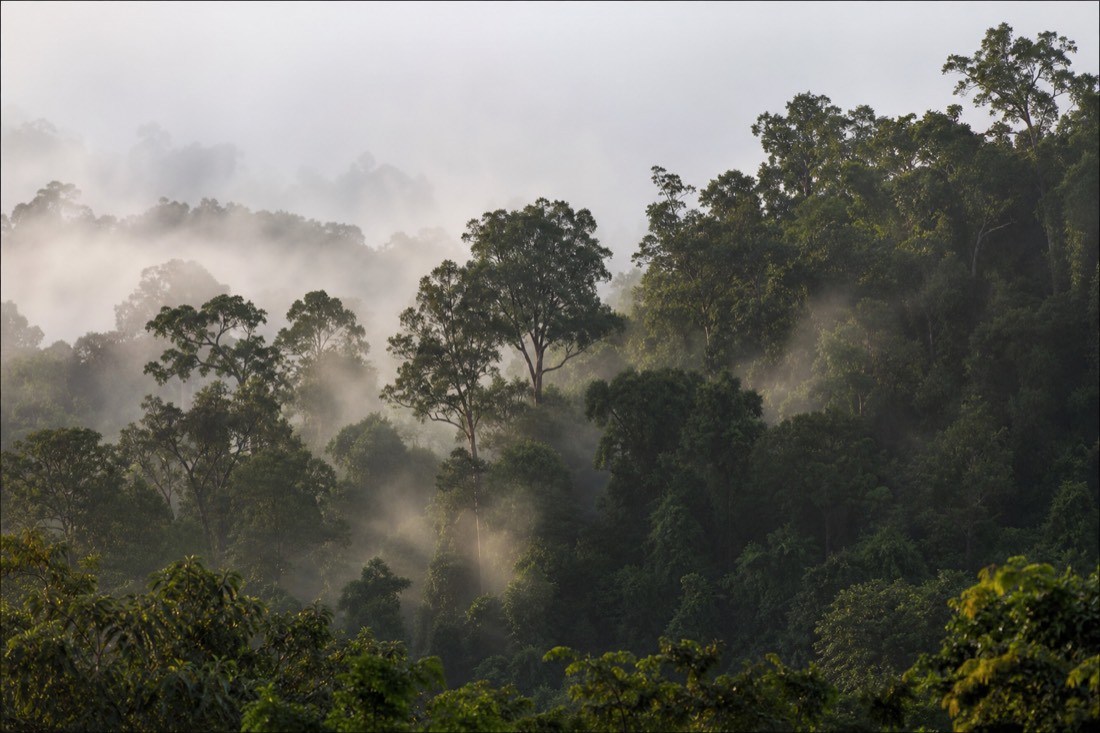
Captain James Cook named it in 1770, after the Endeavour struck the reef offshore and began, as he put it, all his troubles. The name stuck to the whole coastline: Mount Sorrow rises behind it, and Weary Bay lies to the north. What Cook saw as a hazard is now the draw. The rainforest here is lowland tropical forest, the rarest kind, and it grows right to the tideline in a way that has largely vanished elsewhere in the world.
The two World Heritage claims are worth understanding, because they are the reason the Cape is protected at all. The forest belongs to the Wet Tropics of Queensland listing, recognised for plant families that trace direct lines back to the Gondwana supercontinent. The water belongs to the Great Barrier Reef Marine Park. At Cape Tribulation the boundary between them is a strip of beach a few metres wide.
Where Is Cape Tribulation And How Do You Get There?
Cape Tribulation sits about 2 to 2.5 hours north of Cairns by car. You drive up the coast, cross the Daintree River on a cable ferry, then follow a sealed but winding road for roughly 40 minutes to an hour beyond the crossing. There is no bridge, and the ferry is the only vehicle way across.
From Port Douglas the drive is shorter by about 45 minutes each way, which is why many people who plan to spend real time up here stay in Port Douglas rather than Cairns. The road as far as Mossman Gorge and Daintree Village is easy, ordinary highway. Past the ferry it changes character: narrower, shaded, with tight corners, the occasional cassowary crossing sign that means exactly what it says. A standard rental car handles all of it, ferry included. You do not need a 4WD unless you plan to continue north on the unsealed Bloomfield Track.
The ferry itself runs on a cable and takes only a few minutes to cross, though it can build a queue on peak weekends and school holidays. There is a small vehicle and passenger fee paid at the crossing. Fares change, so check the current Douglas Shire rate rather than trusting an old figure. If the timing and the ferry logistics sound like a hassle, that is exactly what a guided day handles for you, which is one honest argument for a full-day Cape Tribulation adventure tour over self-driving on a first visit.
| From | Drive time to Cape Tribulation | Ferry crossing | Road past the ferry |
|---|---|---|---|
| Cairns | About 2 to 2.5 hours | Yes, cable ferry | Sealed, narrow, winding |
| Port Douglas | About 1.5 hours | Yes, cable ferry | Sealed, narrow, winding |
| Daintree Village | About 45 minutes to 1 hour | Yes, cable ferry | Sealed, narrow, winding |
| Bloomfield Track (north) | Continues beyond the Cape | N/A | Unsealed, 4WD only |
Full details on the route, the ferry, and what the drive is actually like are in our guide to driving up from Cairns across the ferry.
What Are The Best Things To Do At Cape Tribulation?
The core of a Cape Tribulation visit is walking a rainforest boardwalk, standing on a beach where the forest meets the sea, and getting out to the reef by boat. Add the tropical-fruit ice cream stop, the lookouts along the way, and a night in the forest, and you have a full and varied day rather than a single attraction.
Unlike a theme park, the Cape is not one gate you pay to enter. It is a stretch of coast dotted with short walks, beaches, and small operators. The table below is the honest shortlist, roughly in the order most people do them on a day trip. Some of these sit slightly south of the Cape proper, around Cow Bay and Thornton Beach, but they belong to the same run north of the ferry.
| Thing to do | What it is | Roughly how long | Good for |
|---|---|---|---|
| Dubuji Boardwalk | Elevated circuit through coastal rainforest and mangrove | About 40 minutes | Check current access and individual suitability |
| Marrdja Boardwalk | Short walk from rainforest to mangrove estuary | Around 30 to 45 minutes | Plants, birds, quiet |
| Kulki lookout and beach | Short path to a viewpoint over Cape Tribulation Beach | 15 to 20 minutes | The classic view |
| Myall Beach walk | Long, quiet strand backed by forest | As long as you like | Photos, low-tide walking |
| Ocean safari to the reef | Half-day snorkel trip to two reef sites | About 4.5 hours | Travelers suited to open-water snorkeling and fast-boat travel |
| Daintree Ice Cream stop | Tropical-fruit ice cream grown on site | 20 to 30 minutes | Families, a break in the drive |
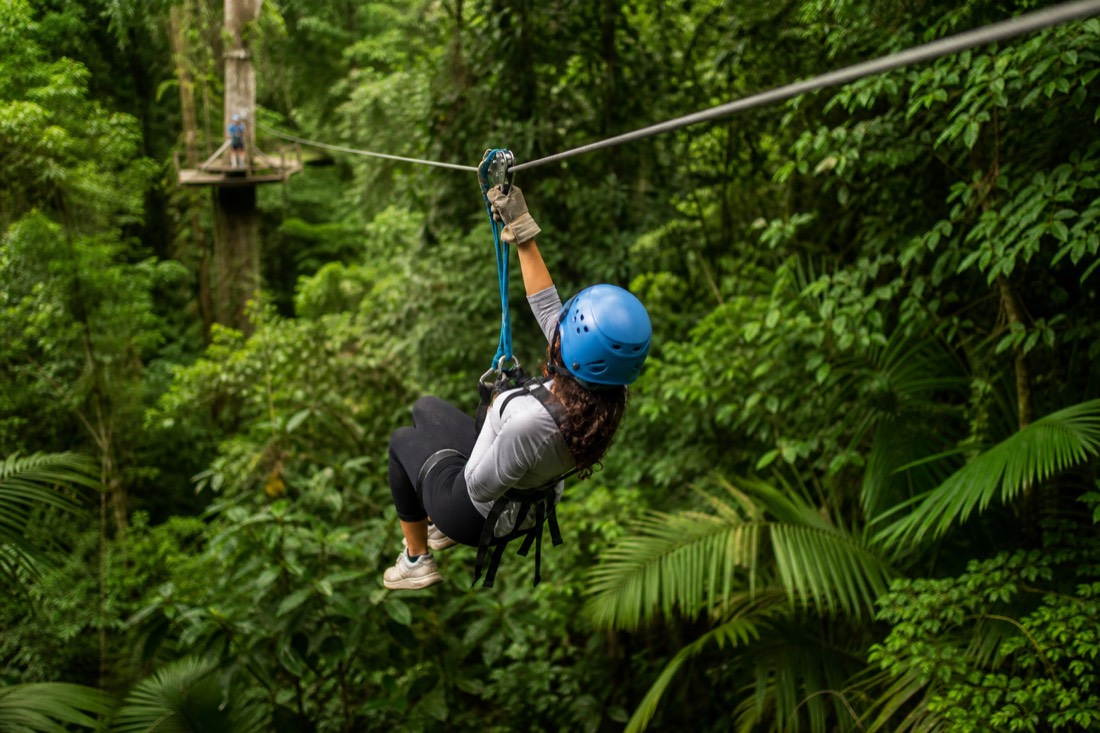
| Treetops ziplining | At least nine ziplines through the canopy | About 2 hours | Minimum age 4; fitness, access and weight limits apply |
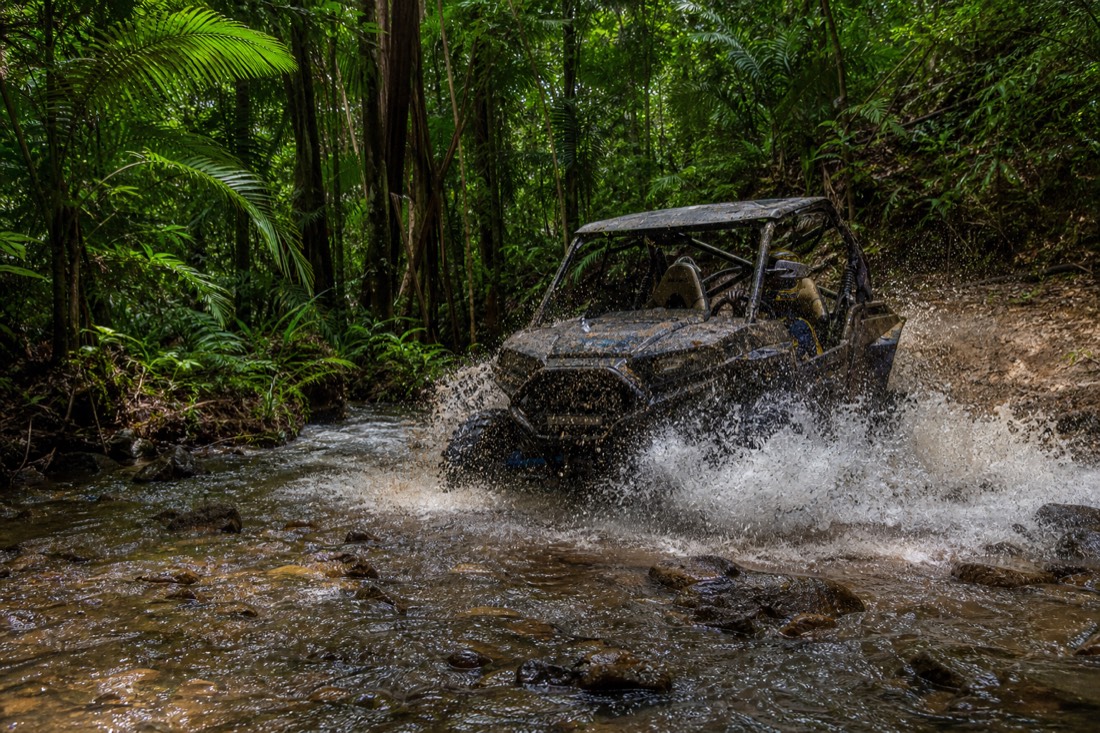
| Cassowary Falls visit | Private waterfall reached on a guided off-road tour | About 2.5 hours | Optional swimming only when approved for current conditions |
If you want the wider regional picture, our roundup of things to do in the Daintree ranges south to Mossman Gorge and the river as well, so you can build a two or three day plan around the Cape rather than trying to cram everything into one.
What Are The Beaches Like, And Why Can You Not Swim?
Cape Tribulation's beaches, Myall Beach and Cape Tribulation Beach, are broad, quiet and backed by rainforest, and they are for walking, not swimming. Estuarine crocodiles use the river mouths and mangroves, and marine stingers can be present in the warmer months, so this is a look-but-do-not-enter coast.
The beaches themselves are the reason so many photos of the Cape exist. At low tide Myall Beach runs for a long, clean arc with the forested ridge behind it and, on a clear day, the reef breaking offshore. Kulki gives you the elevated version of that view in a fifteen-minute walk from the car park. Cow Bay Beach, a little to the south, is another quiet strand worth the short detour.
The reasons not to swim are real, not marketing caution. Saltwater crocodiles are genuinely wild and genuinely at home in the estuaries and river mouths along this coast, and the sea near those mouths is their territory too. On top of that, the warmer months bring marine stingers, including box jellyfish and the tiny Irukandji, into tropical Queensland waters. Exact stinger dates move year to year, so check current Surf Life Saving Queensland advice rather than assuming. Do not assume freshwater is safe: QPWS does not recommend swimming at Mossman Gorge because of unpredictable currents and submerged hazards, and any Cassowary Falls swim is subject to operator approval, weather and current conditions. We discuss the hazards and current precautions in our guide to swimming in the Daintree.
| Beach or spot | What it is like | Swim? |
|---|---|---|
| Myall Beach | Long, quiet, forest-backed, best at low tide | No, look only |
| Cape Tribulation Beach | The classic reef-meets-rainforest view, Kulki lookout above | No, look only |
| Cow Bay Beach | Quieter strand a little south, near Cow Bay | No, look only |
| Mossman Gorge pools | Granite pools with unpredictable currents and submerged hazards | Swimming not recommended by QPWS |
| Cassowary Falls | Private waterfall pool where conditions vary | Only if the operator approves current conditions |
Cape Tribulation beaches are crocodile habitat and may have marine stingers. Do not enter the water; clear or fresh water elsewhere is not proof that crocodiles are absent. QPWS also advises against entering Mossman Gorge water.
Which Boardwalks Should You Actually Walk?
The two walks worth prioritising at Cape Tribulation are the Dubuji Boardwalk, an easy forty-minute circuit through coastal rainforest and mangrove, and the Marrdja Boardwalk, a shorter walk that runs from rainforest into an estuary. Both use elevated sections, but current access and individual suitability should be checked before visiting.
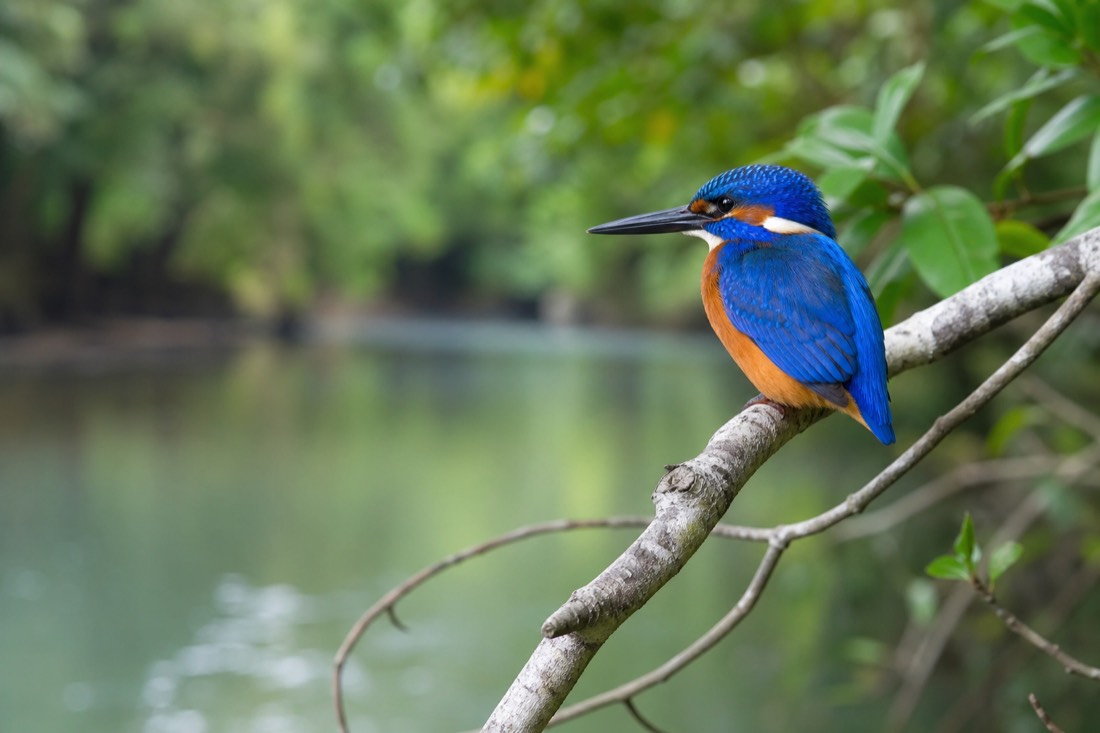
These boardwalks exist because the ground here is fragile and, in places, tidal. Raising the path protects the root systems and lets you walk dry-footed through country you otherwise could not enter. Dubuji is the one most people remember: fan palms overhead, the forest floor dense and green, and a mangrove section near the end where the trees stand on stilts of aerial roots. Marrdja is quieter and more about the transition, forest giving way to estuary, which is exactly where a lot of the birdlife concentrates.
Further south, near Cow Bay, the Jindalba Boardwalk offers a longer loop for people who want more time on foot. A guide changes what you see on any of these: the medicinal plants, the strangler figs slowly killing their host trees, the fig-wasp relationships you would walk straight past on your own. For the full picture of every walk in the region, from the gentlest to the most demanding, see our guide to the rainforest walks and boardwalks.
| Boardwalk | Length and time | Terrain | Highlights |
|---|---|---|---|
| Dubuji | Circuit, about 40 minutes | Flat, elevated, easy | Fan palms, mangrove, coastal forest |
| Marrdja | Short, around 30 to 45 minutes | Flat, elevated, easy | Rainforest to estuary, birds |
| Kulki | 15 to 20 minutes return | Short path and steps | Lookout over Cape Trib Beach |
| Jindalba (near Cow Bay) | Loop, up to about an hour | Mostly flat, some track | Longer walk, fewer people |
Can You Snorkel The Great Barrier Reef From Cape Tribulation?
Yes. A half-day ocean safari departs from Cape Tribulation and travels by rigid inflatable boat to two Great Barrier Reef snorkeling sites. Site selection and participation depend on marine conditions.
The reef lies roughly 15 kilometres offshore here, and the trip out is on a fast rigid-inflatable rather than a big catamaran, so it feels more like an expedition than a ferry. You get snorkeling equipment, a wetsuit or sunsuit, reef interpretation and time in the water at two reef sites, subject to operator and marine conditions. Marine life may be encountered during the trip, but sightings are not guaranteed. Courtesy transfers apply only to Cape Tribulation accommodation and require reconfirmation; otherwise travelers meet at the Ocean Safari office inside Turtle Rock Cafe. Cairns and Port Douglas transfers are not included.
Marine conditions vary, and the operator determines the sites and whether participation can proceed. Because the boat is small and the sea can be lively, the trip is not ideal for anyone pregnant or with back problems. We go deep on conditions, marine life and how this compares to the Cairns and Port Douglas outer-reef trips in our guide to snorkelling the reef off Cape Tribulation, and you can hold your spot on the half-day ocean safari from Cape Tribulation beach whenever your dates firm up. Check the live listing for the current price.
What Is The Bloomfield Track Beyond Cape Tribulation?
The Bloomfield Track is an unsealed 4WD-only road that continues north from Cape Tribulation toward Cooktown. It is the only land route connecting Cairns to the tip of Cape York, and it crosses creeks and steep pinches that ordinary cars cannot handle. Most day visitors turn around at the Cape.
For a certain kind of traveller the Track is the whole point: raw, remote, genuinely off the tourist grid, with creek crossings that can close after heavy rain. It is not a shortcut and it is not for a rental sedan. If you want to experience it without the responsibility of your own vehicle and a recovery plan, a guided run handles the terrain and the timing, which is what a 4WD tour along the Bloomfield Track is built for. There is more on off-road options across the region in our overview of the wider four-wheel-drive country.
Is The Daintree Tropical-fruit Ice Cream Stop Worth It?
Yes, it is a genuinely good stop and not a tourist trap. The Daintree Ice Cream Company grows tropical fruit on site and serves a rotating cup of four flavours you cannot get elsewhere, from black sapote, the chocolate-pudding fruit, to soursop, wattleseed and durian.
You do not choose the flavours; you get whatever four are in season, which is part of the fun. It works as a break in the drive between boardwalks, and it is one of those small, real, family-run things that makes the northern run feel like more than a checklist. Some full-day tours include tropical fruit ice cream, while others charge extra or do not confirm the stop, so check the selected itinerary. Nearby, the roadside stalls and small cafes sell tropical fruit you will not see in a city greengrocer, so it pays to be a little adventurous.
What Is The Daintree Discovery Centre, And Do Tours Go There?
The Daintree Discovery Centre is a privately run interpretive attraction at Cow Bay, south of Cape Tribulation, built around an aerial walkway and a canopy tower that let you experience the forest at different heights. None of the day trips we feature include it, so it is a self-drive stop.
If you are driving yourself, the Centre is a strong add: the raised walkway takes you through the mid-storey, the tower climbs above the canopy, and the self-guided audio does a careful job of explaining what you are looking at. Ticket prices, tower height and opening hours change, so check the operator directly on the Daintree Discovery Centre's official site before you go. On a guided day you would not usually stop here, but a Cape Tribulation tour puts you in the immediate area, so it is easy to fold in on a self-drive leg. We cover it in full in our guide to the Daintree Discovery Centre at Cow Bay.
How Long Do You Need At Cape Tribulation?
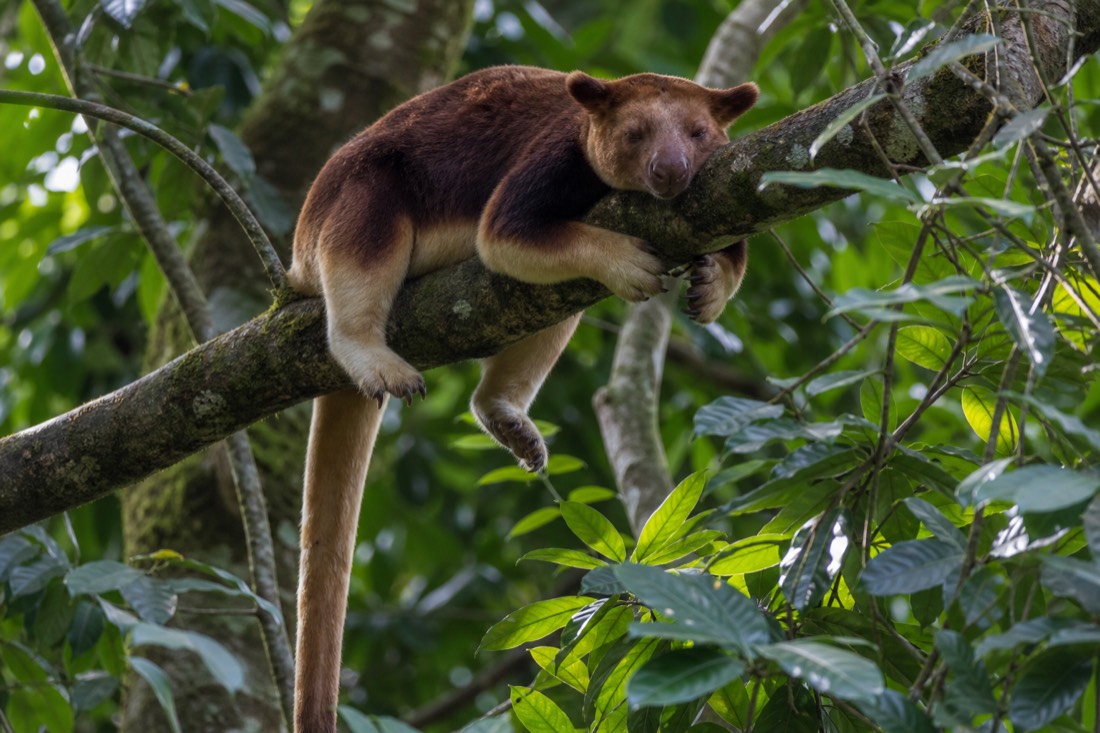
You can see the highlights of Cape Tribulation as a long day trip from Cairns or Port Douglas, but one or two nights in the forest is where it changes from a checklist into an experience. After the day tours leave, the Cape goes quiet, and the wildlife comes out.
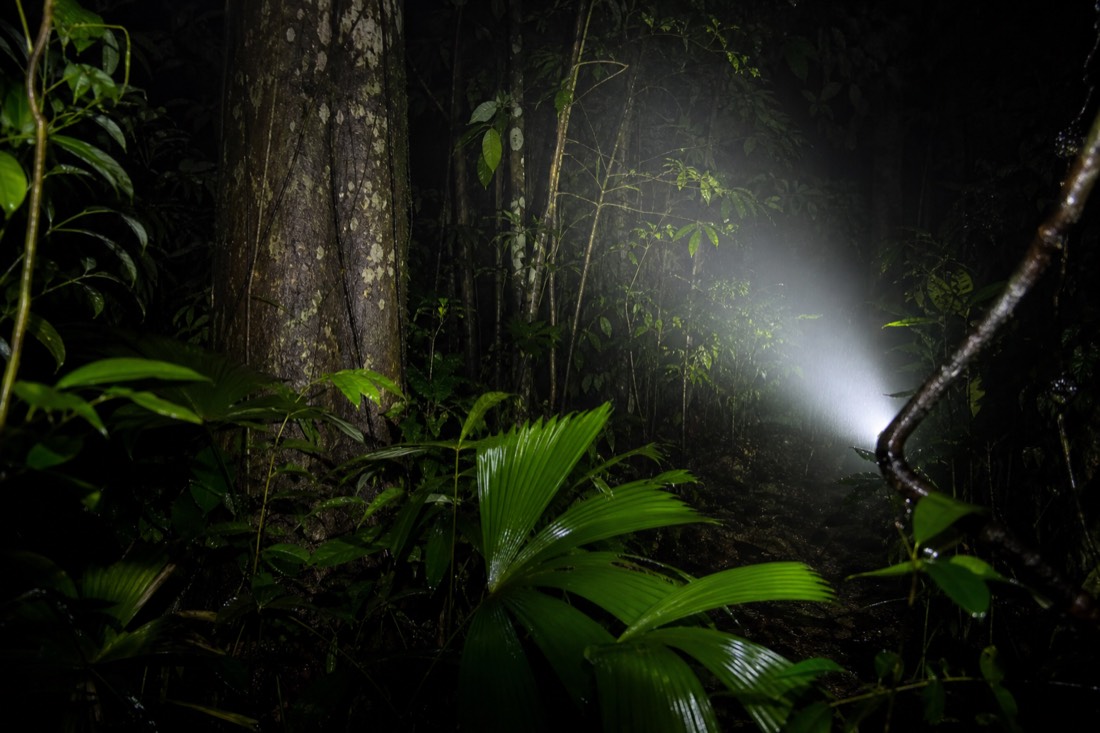
A day trip works, and for many visitors it is the right call: you cross the ferry, walk Dubuji, stand on the beach, take the ice cream stop, and drive home tired and satisfied. What a day cannot give you is the early morning, when cassowaries are more often seen along the roadside before the groups arrive, or the night, when possums, frogs, and stick insects take over. Staying at an eco-lodge near the Cape turns a rushed loop into a slower, richer trip. Our guide to how many days the region deserves and where to base yourself goes further into this, and you can read about the best time to visit before you lock in dates.
| Time you have | What you can realistically do | Verdict |
|---|---|---|
| Half day | One boardwalk and a beach stop, rushed | Too short to bother crossing the ferry |
| Full day from Cairns | Ferry, a boardwalk, the beach, ice cream, back by dark | The standard, and it works |
| Full day plus ocean safari | Reef in the morning, forest in the afternoon | The best single-day version |
| One night | Add sunset, a night walk, an early cassowary window | A big step up |
| Two nights | Longer walks, beach time, a night tour, the reef, no rush | Ideal |
When Is The Best Time To Visit Cape Tribulation?
The dry season, May to October, is the easiest time to visit Cape Tribulation: clearer skies, firmer trails, better reef visibility and more comfortable walking. August is the driest month, with July a close second. The wet season, November to April, is greener and quieter but wetter, with the peak wet from December to March.
None of this makes the wet season a bad time. The forest is at its most lush, the waterfalls run hard, and there are fewer people. It just rains, sometimes heavily, and trails get muddy while the river runs high. The dry season trades some of that drama for reliability, which most first-time visitors want. Reef trips in particular favour the calmer, clearer dry-season mornings.
| Season | Months | What to expect |
|---|---|---|
| Dry season | May to October | Clearer skies, easier walking, best reef visibility |
| Driest month | August | Lowest rainfall, most sunny days, fewer crowds than July |
| Green season | November to April | Lush, quiet, warm, more rain |
| Peak wet | December to March | Heavy rain, high humidity, some trail and cruise disruption |
What Should You Bring And Know Before You Go?
Pack for heat, sun, rain and insects all at once. Reef-safe sunscreen, a hat, insect repellent, sturdy sandals or light shoes, a rain layer, and plenty of water cover almost every Cape Tribulation day, whether you are walking boardwalks or heading out to the reef.
The climate here is hot and humid, with short showers possible even in the dry season, so a light rain layer earns its place in your bag year round. Mosquitoes and sandflies are most active near the river and in shade, which is exactly where you will be walking, so repellent is not optional. If you are doing the ocean safari, bring a change of clothes and something warm for the boat ride back. And treat the water rules as firm: do not swim off the beaches or in the river, and never assume freshwater is safe based on its appearance. Fuel and supplies thin out north of the ferry, so top up before you cross.
| Item | Why it matters |
|---|---|
| Reef-safe sunscreen, SPF 50+ | Strong tropical sun, and it protects the reef on safari days |
| Insect repellent | Mosquitoes and sandflies near the river and in shade |
| Wide-brim hat and sunglasses | Open beaches and boat decks |
| Light rain layer | Short showers year round |
| Water and snacks | Services thin out past the ferry |
| Change of clothes and a towel | For the ocean safari and any operator-approved swim only if current conditions allow |