Daintree Rainforest Wildlife: Cassowaries, Crocodiles And What You'll See
The Daintree is not a safari. Its most famous resident, the southern cassowary, is solitary and elusive, and a day without one is a normal day. But the animals are here in real numbers if you know where and when to look. This is the honest field guide to what you will actually see.
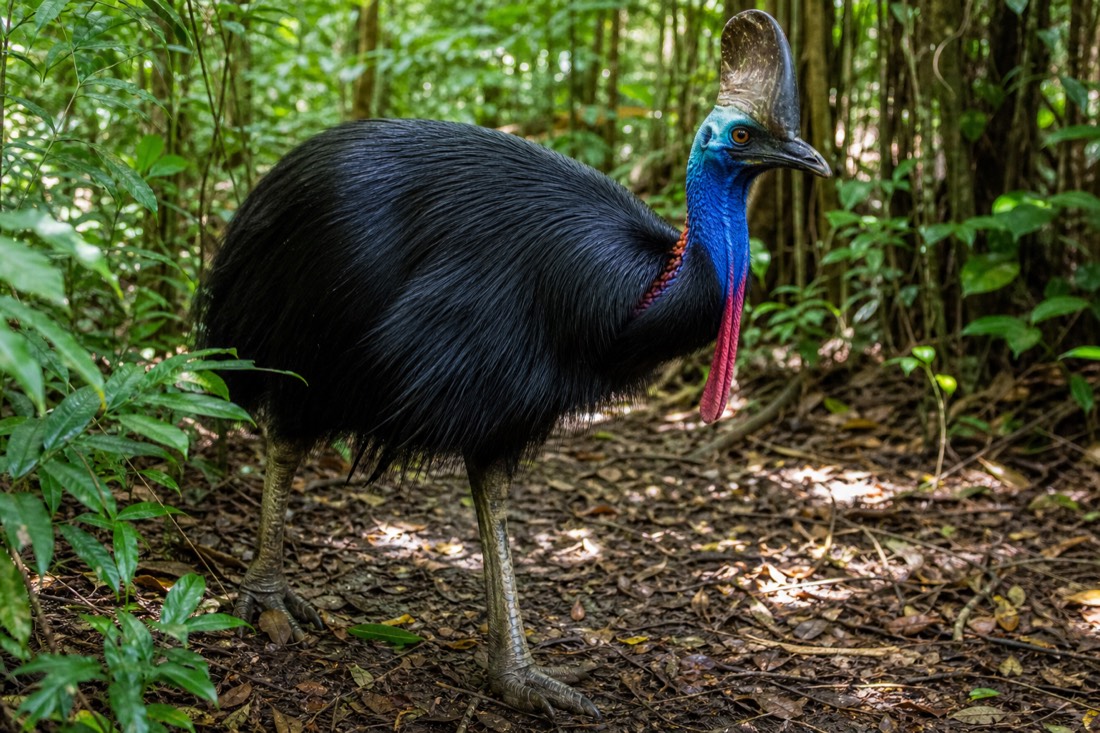
People arrive in the Daintree expecting a wall of big animals and leave talking about a single flightless bird they may never have seen. The southern cassowary is the one everybody wants, and it sets the honest tone for the whole place: this is old, dense, quiet rainforest, not an open savanna full of grazing herds. The wildlife is real and it is close, but it rewards the patient and the well-guided over the lucky.
Booking Choice: Start with the Daintree And Cape Tribulation Day Tour for a river cruise plus guided rainforest and beach walks from Cairns or Port Douglas. Wildlife sightings are not guaranteed.
Check Dates For The Daintree And Cape Tribulation Day TourBelow is a straight account of what lives here and how to actually find it: the cassowary first, then the crocodile, the tree kangaroo, the birds, the reptiles, the frogs and the electric-blue butterflies. The day tours listed by Daintree Rainforest Tours put you on the walk sections and river reaches where these animals live, rather than the roadside stops where you mostly see other people.
At a glance: match wildlife to habitat
| Wildlife | Habitat or observation setting |
|---|---|
| Rainforest birds and butterflies | Forest walks, canopy and sunlit edges |
| Boyd's forest dragon | Rainforest trunks observed on walks |
| Estuarine crocodile | Tidal Daintree River, viewed from a boat |
| Southern cassowary | Rainforest habitat and quiet roads |
| Tree kangaroo | Rainforest canopy |
The habitat determines what may be sought, but no bird, reptile, crocodile, cassowary or tree-kangaroo encounter is guaranteed.
What Animals Live In The Daintree Rainforest?
The Daintree is home to the southern cassowary, wild estuarine crocodiles, rare tree kangaroos, a huge range of birds from kingfishers to sea eagles, pythons and other snakes, Boyd's forest dragons, frogs and dazzling butterflies. It is famously biodiverse, though the real star, as our own guides put it, is the ancient rainforest itself.
That framing matters before you set expectations. This is not a place of constant big-animal sightings; it is a place where a very old ecosystem is packed into a small, wet, tangled area, and the animals are woven through it rather than out on display. Birds, butterflies, reptiles and river wildlife may be encountered in their respective habitats, but no species is guaranteed. The cassowary and the tree kangaroo are the ones you hope for and cannot demand.
Where you spend the day decides what you meet. The river gives you crocodiles and water birds; the walk sections give you dragons, butterflies and the slim chance of a cassowary; the freshwater country gives you turtles and fish. Splitting the day across the river and the forest, which is what a good guided rainforest walk and boardwalk plus a cruise does, gives you the widest cross-section of everything.
What Makes The Daintree's Wildlife Unique?
The Daintree's wildlife is unique because the forest itself is one of the oldest on Earth, over 180 million years old, with plant and animal lineages tracing back to the Gondwana supercontinent. Some species live nowhere else: the southern cassowary is found only here and in New Guinea, an evolutionary relic in a living museum.
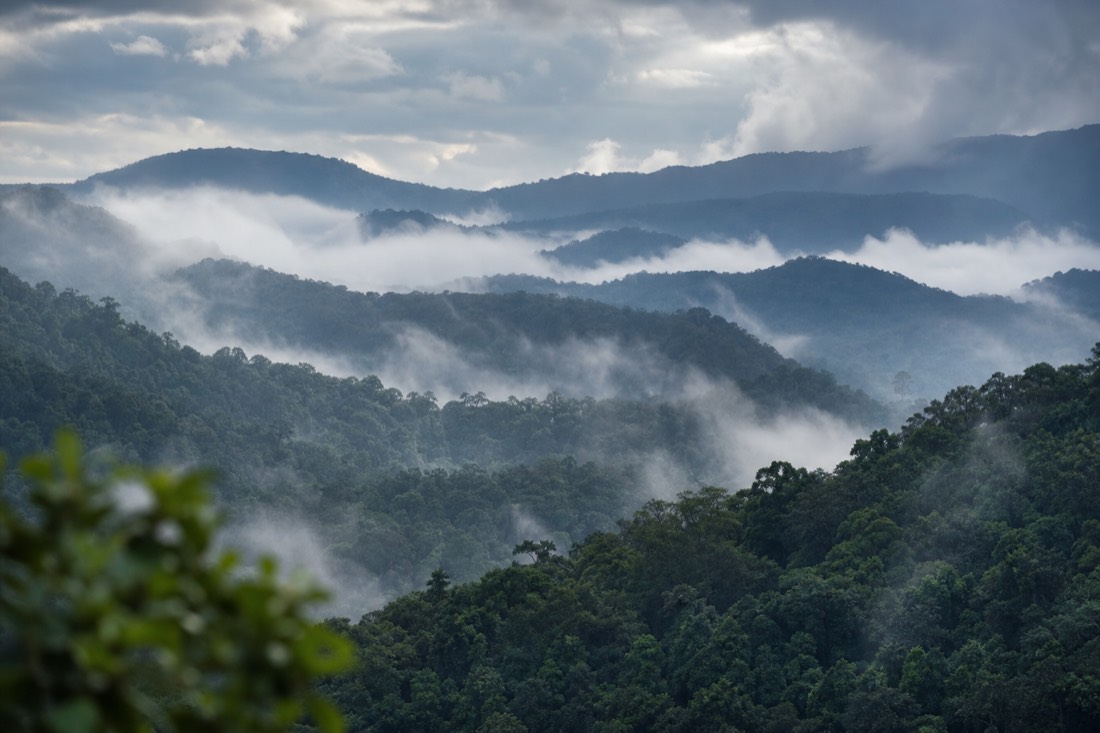
Age is the whole story. This forest carried on through the extinction that wiped out the dinosaurs, and its plants and animals are, in places, living fossils that have barely changed in tens of millions of years. That deep continuity is why the Daintree holds species and whole plant families with no living relatives anywhere else, and why scientists treat it as a window onto what much of the ancient world looked like.
For wildlife, that means the animals here evolved alongside the forest rather than arriving later. The cassowary and the rainforest tree it plants are a partnership tens of millions of years old, and the same is true across the food web, from the seed to the bird to the reptile that shares its patch of understorey. The plants are half the marvel, and our guide to the Daintree's ancient plants and flora covers the fan palms, strangler figs and primitive flowering plants that give this wildlife its home.
What Is The Southern Cassowary, And Why Is It Called The Architect Of The Rainforest?
The southern cassowary is a large, flightless bird found only in the Daintree and parts of New Guinea. It is called the architect of the rainforest because it is one of the few animals big enough to swallow the fruits of certain trees whole and carry the seeds intact through the forest, planting the next generation of the canopy as it goes.
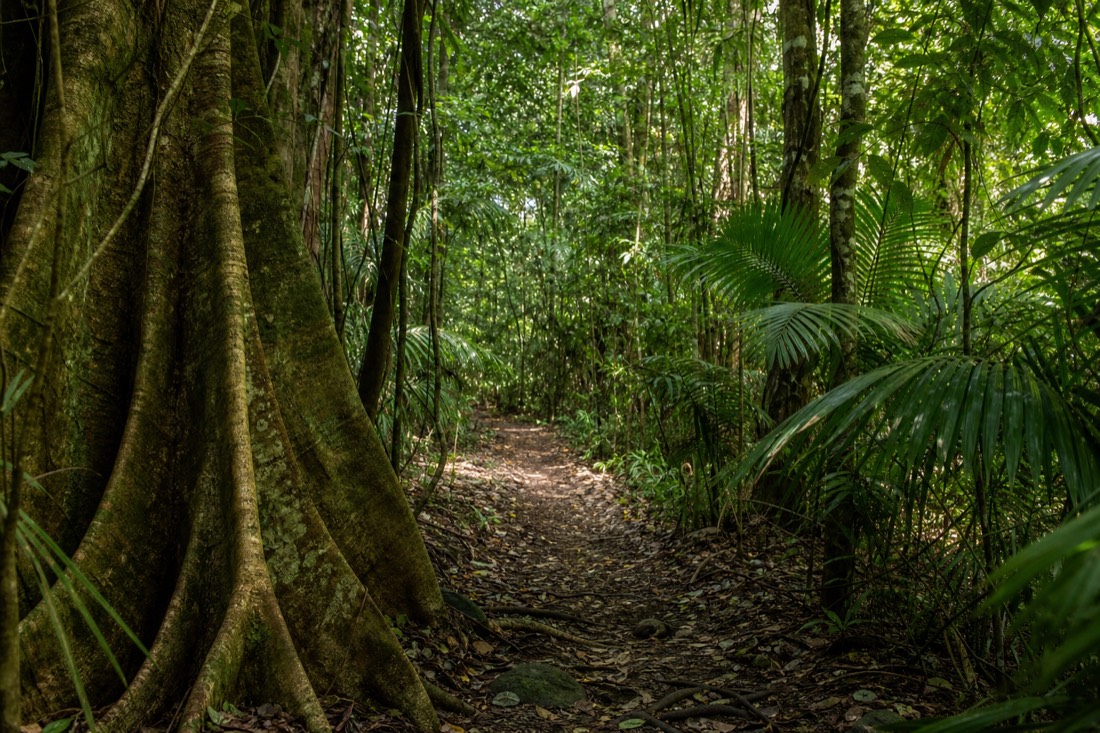
Stand next to one and the word architect stops sounding like marketing. A full-grown cassowary is taller than most people, armoured in glossy black feathers, with a blue-and-red neck and a tall horn-like casque on its head. Dozens of rainforest tree species depend on it to disperse their large seeds, because nothing else can process the fruit and move it far. Remove the cassowary and parts of the forest would slowly stop regenerating, which is why it is treated as a keystone species across the Wet Tropics.
It is also solitary, territorial and unpredictable when met at close range, which shapes every rule about how you behave around one. This is a wild bird doing serious ecological work, not a photo prop, and the population sits inside a UNESCO World Heritage rainforest precisely because habitats like this are its last stronghold.
Where And When Can You Actually See A Cassowary?
Your best chance is early morning or dusk on the walk sections north of the Daintree River, and roadside sightings are surprisingly common at first light before tour groups arrive. Staying overnight in the forest sharply raises your odds. Even so, a day without a cassowary is a normal day; a day with one is a genuinely memorable event.
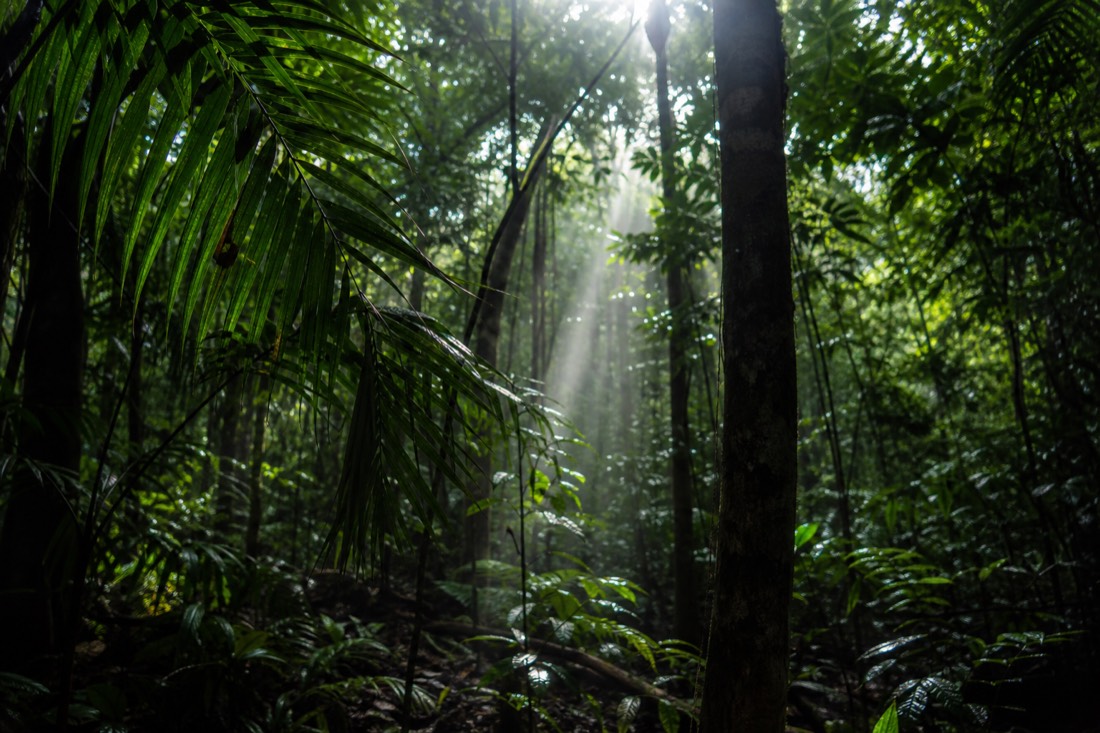
The pattern is consistent. Cassowaries move in the cool hours, so the earliest tours, around seven to eight in the morning, and the dusk departures around two to three in the afternoon, sit either side of the best windows. The single biggest edge is being up there before the day-trip coaches arrive, which is why overnight visitors see so many more of them, often just walking a quiet road at dawn. The mid-day heat, from about ten to two, is the worst time, when the birds retreat into shade and the roads fill with traffic.
Do not build a trip around a guaranteed sighting, because there is no such thing. Build it around being in cassowary country at the right hour, on foot, with a guide who knows the local birds' territories. The odds tilt further in your favour if you time the visit well, and our notes on the best time of year to visit line up with the drier, clearer months when walking is easiest.
| Cassowary fact | Detail |
|---|---|
| Range | Only the Daintree region and parts of New Guinea |
| Size | Large and flightless, often taller than an adult person |
| Ecological role | Keystone seed disperser, the architect of the rainforest |
| Temperament | Solitary, territorial, unpredictable up close |
| Best time to see | Early morning or dusk, on foot, north of the river |
| Best odds | Overnight stays, roadside at first light |
Are Cassowaries Dangerous, And How Should You Behave Around One?
A cassowary can be dangerous if it feels cornered or is used to being fed, so the rules are simple: never feed one, keep a wide distance, do not turn and run, and back away slowly while facing it. Give it a clear escape route. Almost every problem comes from people crowding a bird or offering food, not from the animal seeking trouble.
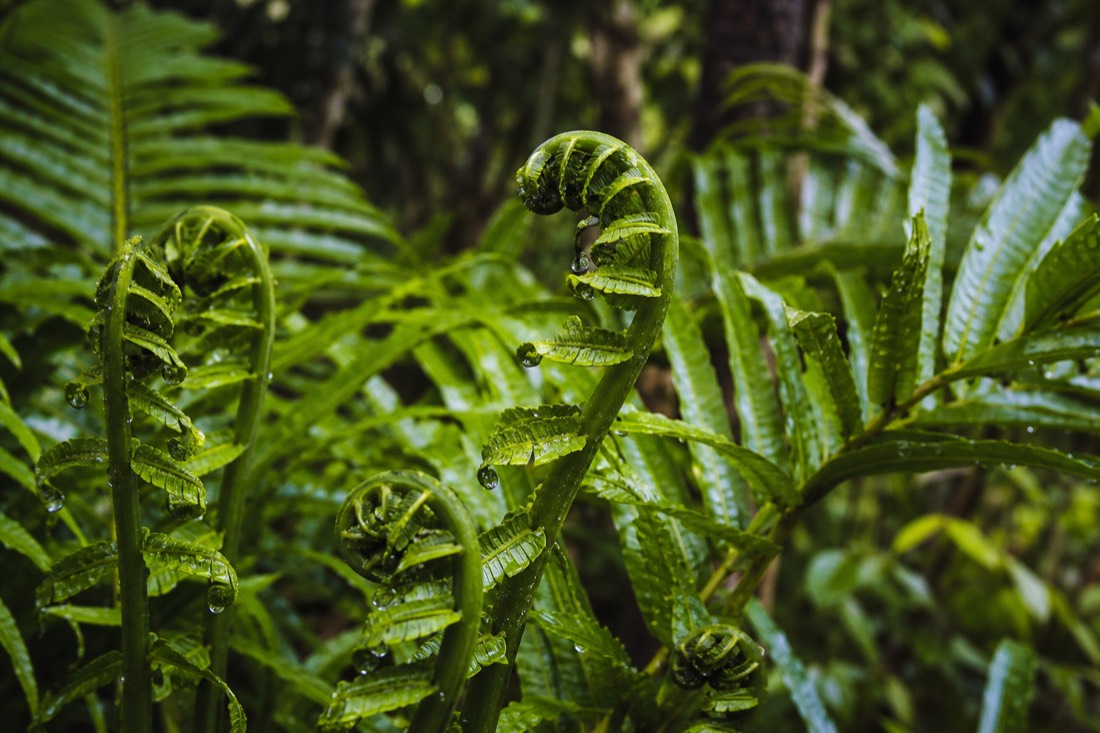
Treat it like the large wild animal it is. Feeding cassowaries is the root of most dangerous encounters, because a bird that associates people with food loses its natural wariness and starts approaching. If one walks toward you, do not sprint; put a tree or a solid object between you and it, keep facing it, and retreat calmly. A guide can help interpret the bird's behaviour and advise the group, but visitors must keep their own distance and follow current official guidance and the guide's instructions.
This is also why roadside feeding and speeding are the two biggest threats to the cassowaries themselves. The birds cross quiet forest roads at dawn, and vehicles are a leading cause of death, so the same slow, calm driving that keeps you safe keeps them alive too.
Give cassowaries space, never feed or approach them, and follow posted park guidance. A tour does not remove the need to keep your distance from wildlife.
Does The Daintree Rainforest Have Crocodiles?
Yes. Wild estuarine, or saltwater, crocodiles live throughout the tidal Daintree River and its estuaries, and they are genuinely dangerous. A wildlife cruise may look for crocodiles of different sizes, but the number and size seen are not guaranteed. View them from the boat while following crew instructions; never swim, wade or stand at the water's edge on the river.
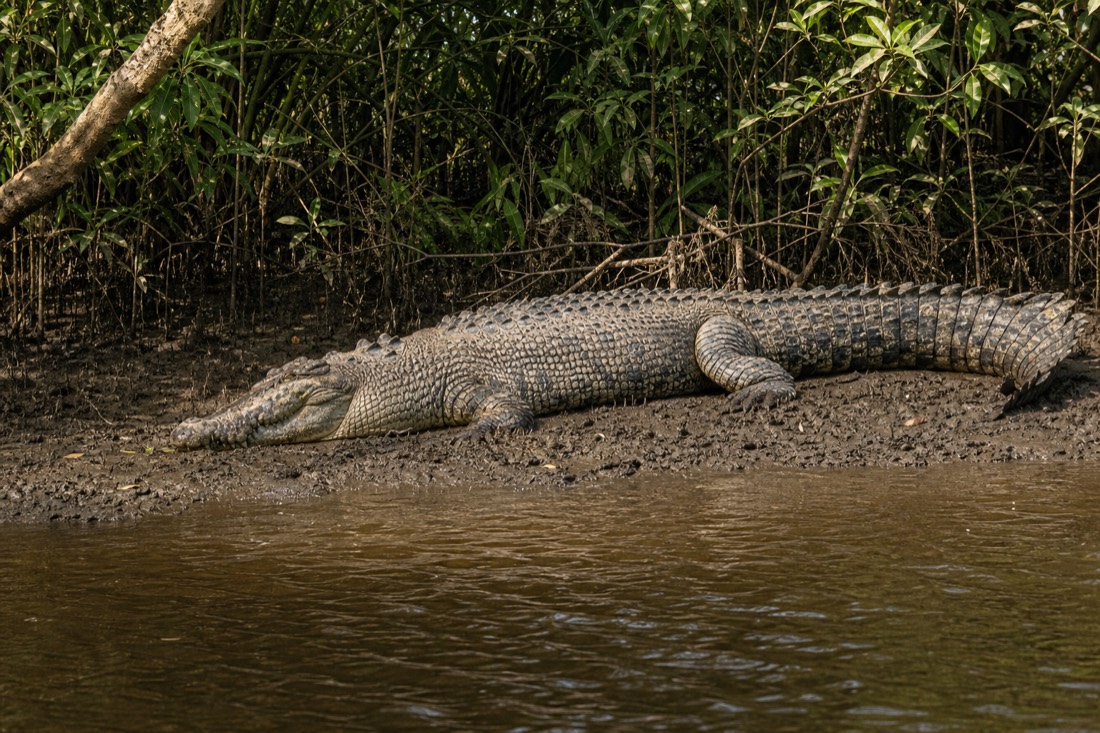
A river cruise is the most targeted way to look for crocodiles in the Daintree. Early mornings can provide opportunities to observe cold-blooded animals basking, and an experienced skipper can search the banks they use, but sightings are not guaranteed. For the full picture of timing, boats and safety on the water, see our companion guide to a dawn river cruise for crocodiles, and for the blunt version of the question, whether the river really has crocodiles.
One way to look for crocodiles is from the Daintree River wildlife cruise while following the crew's instructions. Crocodiles may occur in fresh or clear water, and water appearance or an upstream location cannot establish that swimming is safe; never enter the tidal Daintree River.
Can You See A Tree Kangaroo In The Daintree?
Tree kangaroos live in the Daintree, but sightings are rare and prized. These shy, canopy-dwelling marsupials, such as Bennett's and Lumholtz's tree kangaroos, are hard to spot in dense foliage. Your best chance is early morning or late afternoon with a sharp-eyed guide, and even then, seeing one is a stroke of real luck rather than a plan.
If the cassowary is the prize you can hope for, the tree kangaroo is the one that surprises even regular visitors. They spend their time high in the canopy, they move slowly and quietly, and their colouring blends into the leaf shadow. Guides who know the local trees occasionally pick one out resting on a branch in the cooler hours, but there is no reliable spot and no season that makes it a sure thing.
Manage your expectations and enjoy it as a bonus. The people who see tree kangaroos are usually the ones spending more time in the forest, on quiet walks with a guide scanning the canopy, rather than rushing a single mid-day stop.
A tree-kangaroo encounter cannot be booked or guaranteed here. The specialist search did not establish an active local affiliate tour focused on this animal; treat it as a possible wild encounter.
What Birds Will You See In The Daintree?
Birds are among the wildlife visitors commonly look for in the Daintree, but sightings vary. Along the river you may see kingfishers, white-bellied sea eagles, ospreys, herons or egrets, while canopy and forest walks may reveal other species. No particular bird or number of species is guaranteed.
The Wet Tropics is one of the richest bird regions in the country, and you feel it here. The river cruise is the easiest way to rack up water birds and raptors, since the open banks give clear sightlines and the boat drifts slowly past. On foot the mix changes to canopy and understorey species, and a good guide will have you hearing far more than you see, then pulling the callers into view.
You do not need to be a birder to enjoy it. The azure kingfisher alone, a dart of orange and electric blue over the water, converts a lot of people on the spot. For the science behind why this small area holds so many species, the Wet Tropics Management Authority is the definitive source on the region's biodiversity.
| Bird | How often seen | Where to look |
|---|---|---|
| Azure kingfisher | Common | Overhanging branches on the river |
| White-bellied sea eagle, osprey | Common | Tall dead limbs and open sky |
| Herons and egrets | Common | Shallows and mud banks |
| Rainbow lorikeets, cockatoos | Common | Canopy and flowering trees |
| Rainforest understorey birds | Common on walks | Low foliage, heard before seen |
What Reptiles, Frogs And Butterflies Live Here?
The Daintree's smaller wildlife is its most reliable. Boyd's forest dragons cling to tree trunks and are commonly seen on guided walks; pythons and other snakes are a rarer treat; frogs call from the riverbanks; and butterflies are everywhere, led by the electric-blue Ulysses, an emblem of the tropical north that stops people mid-sentence when it flashes past.
Boyd's forest dragon is the reptile you are most likely to remember, a large, prehistoric-looking lizard that sits motionless on trunks and lets a guide walk you right up to it. Snakes are the rarer prize: an amethystine python coiled in a fork is a genuine event, not a daily occurrence. Frogs are heard constantly and seen occasionally, especially in the wetter months when the whole forest seems to be calling.
Butterflies are the everyday magic. The Ulysses butterfly, a big blaze of iridescent blue, is the one everyone chases with a camera and rarely catches, and walk sections provide habitat for it and other species. These possible sightings can make the forest feel alive between the headline animals, but no wildlife encounter is guaranteed on a guided walk.
| Species | How often seen | Where to look |
|---|---|---|
| Boyd's forest dragon | Common on walks | Tree trunks at eye level |
| Amethystine python, snakes | Rare, prized | Mangrove and forest branches |
| Frogs | Heard often, seen sometimes | Riverbanks, wetter in the green season |
| Ulysses and other butterflies | Very common | Sunlit clearings and forest edges |
Where And When Do You See Each Daintree Animal?
Match the animal to the place and the hour. Look for crocodiles and water birds from a boat on the river, with dawn offering a useful observation window; look for cassowaries and tree kangaroos around rainforest habitat at first light or dusk; and watch for dragons and butterflies during daylight walks. Turtles and freshwater fish may occur at private freshwater locations, but clear or fresh water must not be treated as crocodile-free or inherently safe. Habitat and timing influence what may be encountered, but sightings are not guaranteed.
This single table is the one to plan from. It pairs each headline animal with the setting and the time window that give you the real chance, so you can build a day that stacks the odds rather than leaving them to luck. The through-line is simple: go early, go on foot as well as by boat, and spread the day across water and forest.
| Animal | Where to look | Useful time | Planning note |
|---|---|---|---|
| Southern cassowary | Forest walks and roads north of the river | Early morning, dusk | Elusive; no sighting guarantee |
| Estuarine crocodile | Tidal Daintree River, from a boat | Early morning | Sought on cruises; no sighting guarantee |
| Tree kangaroo | High in the forest canopy | Early morning, late afternoon | Rare and difficult to spot |
| River and water birds | River banks and mangroves | Morning | Species and sightings vary |
| Boyd's forest dragon | Tree trunks on walks | Daylight walks | Sightings vary |
| Ulysses butterfly | Sunlit clearings and edges | Warm, bright hours | Sightings vary |
| Turtles, freshwater fish | Private freshwater locations where present | Daytime | Water appearance cannot establish safety |
What Raises Your Chances Of A Sighting?
Four things move the odds: the time of day, the guide, the weather and the group size. Early is better than late, a skilled local guide beats going it alone, overcast or lightly rainy weather can make animals more active, and a small group sees far more than a big coach that arrives noisy and late. Stack all four and you transform an average day.
The guide is the biggest single factor. A local who knows the individual crocodiles, the cassowary territories and the trees a dragon favours will show you animals you would walk straight past. Group size compounds it: a small, quiet party can approach wildlife and hear the guide, where a full coach spooks the birds and arrives after the good light has gone. A little cloud or drizzle is a bonus rather than a washout, since many animals move more freely out of the harsh sun.
| Factor | Better for wildlife | Why |
|---|---|---|
| Time of day | Early morning, dusk | Animals active in the cool; roads and rivers quiet |
| Guide | Experienced local | Knows territories, calls and individual animals |
| Weather | Overcast or light rain | Wildlife often more active out of harsh sun |
| Group size | Small group or private | Quieter approach, everyone sees and hears |
Which Tour Gives The Best Chance Of Each Animal?
For crocodiles and water birds, choose a river wildlife cruise. For rainforest reptiles, butterflies and a possible cassowary encounter, choose a day tour with verified walking time. An off-road tour may visit a private freshwater location, but swimming depends on operator approval, weather and current conditions, and the water must not be described as crocodile-free. Match the tour to the habitat you most want to explore; wildlife sightings are not guaranteed.
No single trip gives you everything, so pick for your priority. River cruises focus on the river environment, while forest walks cover different habitat and may offer other wildlife encounters. At private freshwater locations, any swimming depends on operator approval, weather and current conditions. A full day that includes a cruise plus a walk covers more than one habitat, while a specialist trip focuses on one setting; sightings are not guaranteed.
Two trips illustrate the ends of that range. The Daintree And Cape Tribulation Day Tour pairs a river cruise with guided rainforest and beach walks, while the Cassowary Falls UTV tour uses guided UTV and Army Truck rides to reach a private waterfall. Swimming at Cassowary Falls is optional and depends on operator approval, weather and current conditions; it is not certified or guaranteed safe. Check the live listings for current availability and inclusions.
| Animal you want most | Best type of tour | Why |
|---|---|---|
| Crocodiles | Dawn river wildlife cruise | Built around finding basking crocs at first light |
| Water birds and raptors | River wildlife cruise | Open banks, slow boat, clear sightlines |
| Cassowary (chance), dragons, butterflies | Small-group day tour with walks | Time on foot in cassowary country |
| Tree kangaroo (chance) | Slow guided walks, overnight stays | More canopy-scanning time in cool hours |
| Turtles, freshwater fish | Off-road tour to a private freshwater location | Any swimming and wildlife encounter depends on operator assessment and current conditions |
Is The Daintree Really Worth It Just For The Wildlife?
Yes, if you come with the right expectations. The Daintree is not a place of guaranteed animal encounters; its river, rainforest and coastal habitats support varied wildlife, but crocodile, cassowary and other sightings depend on conditions and chance. Judge the experience by the habitats explored rather than a promised sighting list.
The visitors who leave happiest are the ones who let the forest itself be the main event and treat each animal as a gift on top. You may see crocodiles from the boat and birds or butterflies on the walks, but none of these sightings is guaranteed. You might, on a lucky dawn, meet the architect of the whole place standing in the road. Combining time on the river with time in the forest lets you explore more than one wildlife habitat rather than simply driving through.