Are There Crocodiles In The Daintree River?
Short answer: yes, and you should take it seriously. The Daintree River holds a healthy population of wild saltwater crocodiles, some of them large. Here is what that really means for a visit, how many you are likely to see, and why a wildlife cruise is the right way to meet one.
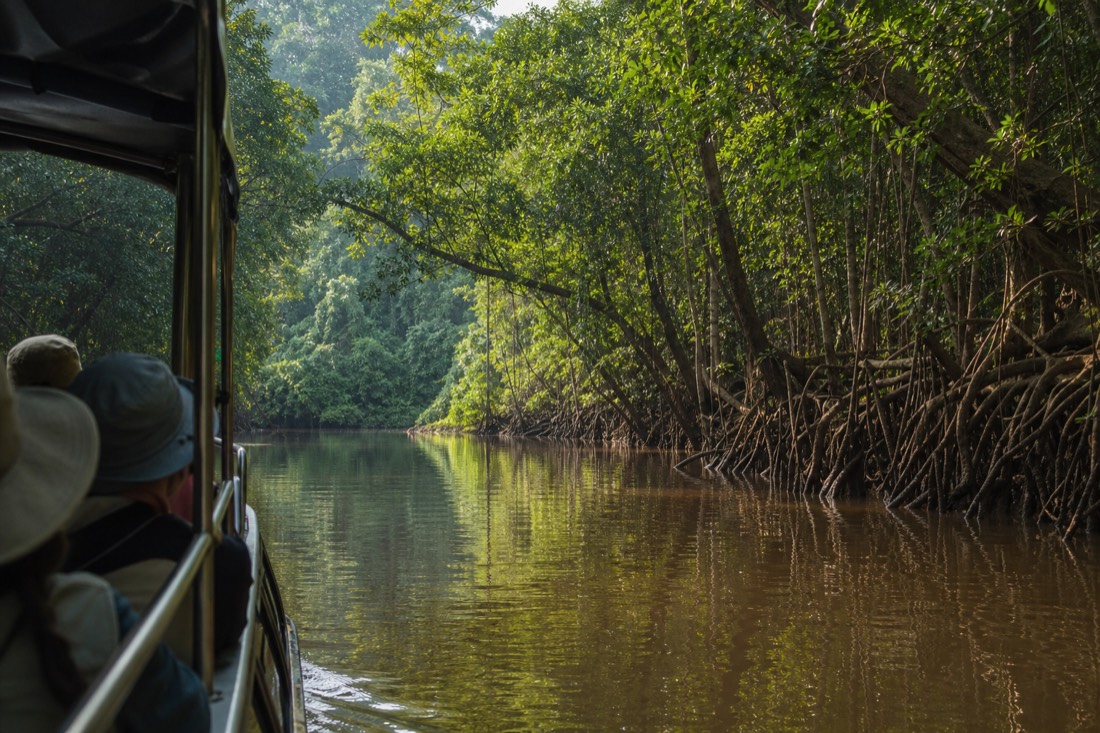
The question comes up on every drive north, usually half as a joke: are there really crocodiles in there? The water looks calm, tannin-dark and still, and it is easy to talk yourself into believing it is fine. It is not. The Daintree River is prime saltwater crocodile country, and treating it as anything else is how people get into trouble in the tropical north.
Booking Choice: Choose the one-hour Daintree River Wildlife Cruise for focused river interpretation without committing to a full-day itinerary; it meets at the operator’s riverside property.
Check Dates For The Daintree River Wildlife CruiseNone of that should put you off. Handled properly, from a boat and with a guide, the crocodiles are one of the great wildlife sights in Australia. The trick is understanding what you are dealing with, and the honest answer starts with a flat yes. The day tours listed by Daintree Rainforest Tours should treat the river as exactly what it is, wild crocodile habitat, with wildlife viewing conducted from a guided vessel rather than from the water’s edge.
Are There Crocodiles In The Daintree River?
Yes. The Daintree River is home to wild estuarine, or saltwater, crocodiles, and they live throughout its tidal reaches and estuaries. These are not a rare curiosity; they are a resident, breeding population, and some individuals are large, up to around four metres. The river is their habitat, and they are there year-round.
Estuarine crocodiles are the largest living reptiles on Earth, and Far North Queensland is within their range. The Daintree's mix of fresh rainforest water and tidal salt creates the brackish, food-rich environment they thrive in, which is why the river supports so many. You will not see all of them, since a crocodile spends much of its time submerged, but they are present along the whole tidal river whether you spot them or not.
This is worth stating plainly because the calm surface is deceptive. The Daintree does not look dangerous, and that is the point: a resting crocodile can hold station with only its eyes above the water, invisible until it moves. The whole tidal river sits inside a UNESCO World Heritage rainforest, and its crocodiles are a native, protected species. If you want the wider picture of the animal and the other wildlife it shares the river with, our guide to crocodile spotting on a river cruise goes deeper.
How Dangerous Are The Crocodiles In The Daintree?
Genuinely dangerous. Saltwater crocodiles are ambush predators, fast over short distances and powerful in the water, and a large one is capable of taking prey the size of a person. In their own habitat they should be treated with real caution and never underestimated.
The danger is opportunism, not aggression. A saltwater crocodile watches the edge of the water, learns where prey comes to drink, and strikes with almost no warning across a short gap. That is why the water's edge, not the middle of the river, is the risky place, and why standing on a bank to photograph or clean a fish is exactly what the warning signs target.
Cruise guides should be candid rather than dramatic. The crocodiles are wild and dangerous, the river is their territory, and visitors should remain in the vessel and follow the operator’s instructions. A cruise reduces exposure to the riverbank, but it does not make crocodile habitat risk-free.
Can You Swim In The Daintree River?
No, never. You should not swim, wade, paddle or stand at the edge of the Daintree River or its estuaries. This holds true everywhere on the tidal river, at any time of day, in any season. The river is crocodile habitat. If taking a cruise, remain in the vessel, keep hands and belongings inside, and follow the operator’s current instructions.
There is no safe spot on the river, no shallow bend that is fine, no hour when the rule relaxes. People assume a small tributary or a clear-looking pool must be safe; it is not, because crocodiles move between the river and its side creeks freely. The same caution applies at the river mouth and nearby beaches: stay out of the water unless it is a patrolled, signed swimming area.
Do not judge tropical water by whether it looks fresh, clear or upstream: crocodiles may occur in fresh or clear water. Queensland Parks and Wildlife Service does not recommend swimming at Mossman Gorge because of unpredictable currents and submerged hazards, and a private waterhole should not be described as certified crocodile-free without authoritative evidence. For the full rundown of water risks, see our guide to swimming in the Daintree, and for the wider risk picture across the region, how safe the Daintree really is.
No approved product makes swimming in the Daintree River appropriate. Treat the tidal river and estuaries as crocodile habitat, remain back from the edge and follow current warnings and official local advice.
How Many Crocodiles Will You See On A Cruise?
There is no reliable crocodile count for a single cruise. Sightings are never guaranteed because these are wild animals, and the number visible can vary with conditions. Choose a departure that fits your itinerary rather than expecting a particular count.
A crocodile may remain submerged or out of view, so one cruise can differ substantially from another. Conditions can affect what is visible, but no current listing establishes that morning departures or a particular season consistently outperform other times.
A local guide can interpret the river environment while wildlife is sought, but cannot guarantee that a crocodile will be visible. A guided vessel also avoids using a bridge, roadside pull-in or riverbank as the wildlife-viewing plan.
Why Is A Wildlife Cruise The Safe Way To See Them?
A cruise allows you to look for wild crocodiles without standing at the river’s edge. Stay seated, keep hands and belongings inside the vessel, and follow the skipper’s instructions throughout the trip. Wildlife sightings and absolute safety cannot be guaranteed.
The practical distinction is that visitors remain inside a guided vessel instead of waiting at the water’s edge. Follow the skipper’s instructions throughout the cruise and remember that a crocodile may remain submerged or out of view.
Booked on its own, the guided Daintree River wildlife cruise is a focused one-hour river experience, but crocodile and other wildlife sightings are not guaranteed. If you would rather fold it into a bigger day that also reaches the coast, a full-day Cape Tribulation tour includes a river cruise and guided walks; any listed private-rainforest swim opportunity depends on the operator and current conditions and is separate from Mossman Gorge. Prices move, so check the live listing before you book.
How Should You Behave In Crocodile Country?
Be crocodile-wise: stay well back from the water's edge, never swim or wade outside patrolled areas, do not clean fish or leave food scraps near the bank, keep children and dogs close, and obey every warning sign. Assume crocodiles are present in any tropical waterway in the region, even where you cannot see one. The rules reduce avoidable exposure, but they do not make crocodile habitat risk-free.
| Crocodile-wise rule | Why it matters |
|---|---|
| Stay back from the water's edge | Crocodiles ambush prey where land meets water |
| Never swim or wade outside patrolled areas | The river and its side creeks are crocodile habitat |
| Do not clean fish or leave scraps on the bank | Food teaches crocodiles to associate people with a meal |
| Keep children and dogs close, away from the edge | They are small, quick and drawn to the water |
| Obey every warning sign | Signs identify crocodile risk and required precautions; absence of a sign does not establish safety |
| Assume crocs are present even if unseen | A resting crocodile can be invisible on the surface |
The behaviour that keeps you safe is mostly about the edge. Crocodiles hunt where land meets water, so the danger is standing on a low bank, wading into shallows or fishing the same spot. Keep a solid margin from the water, and never assume a quiet, croc-free-looking stretch is actually safe.
Following those rules reduces avoidable exposure while visiting the Daintree River. Look for wildlife from a guided vessel, keep well back from the water on land, obey warnings and remember that sightings and absolute safety are never guaranteed.