Daintree River Cruises: Crocodile Spotting And Wildlife
One slow hour on the tidal water gives you a chance to look for the Daintree's wild river life, but no wildlife sighting is guaranteed. Wild saltwater crocodiles may bask on the mud, kingfishers may work the mangroves, and a guide interprets the river environment. Here is how the cruises work and when to go.
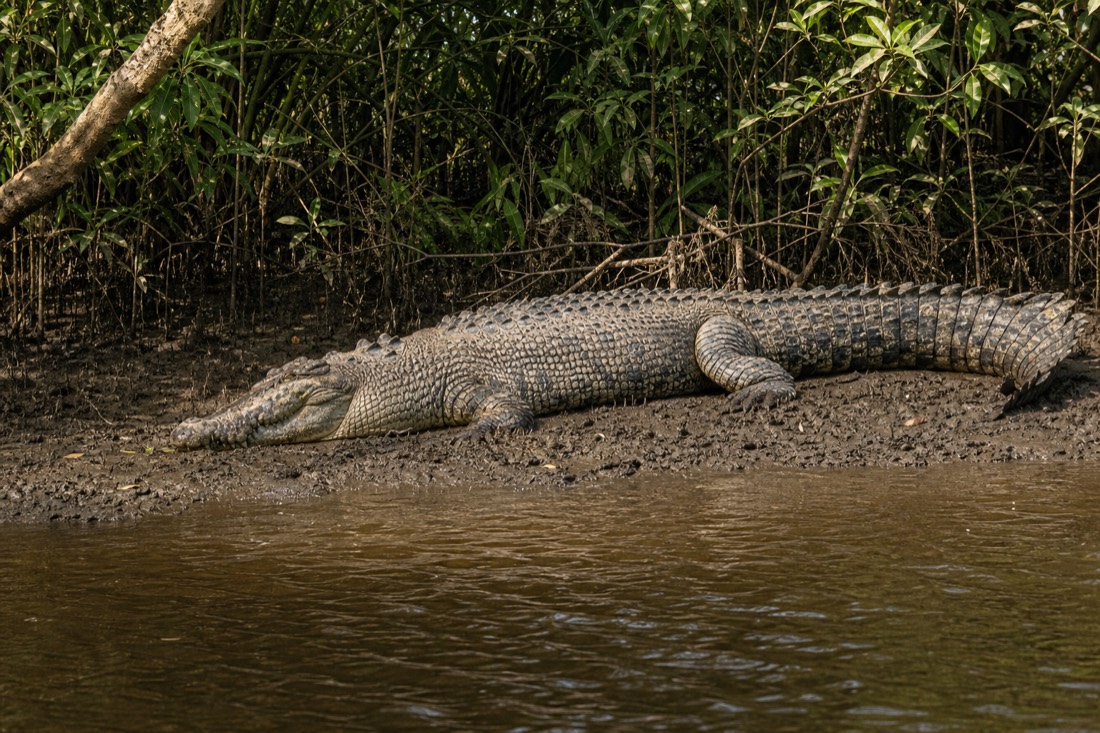
At first light the lower Daintree barely moves. A saltwater crocodile may lie half-sunk against a mud bank, while the guide reads the river and its banks. That unhurried hour offers a focused way to look for wildlife, though wild animals remain unpredictable and sightings are never guaranteed.
Booking Choice: For a river-first visit, choose this one-hour local cruise with guide interpretation and a Daintree tea, coffee or slushie before or after departure.
Check Dates For The Daintree River Wildlife CruiseThis guide covers what a wildlife cruise actually is, how timing and conditions affect planning, what else may move along the mangrove edge, how long you spend on the water, and the onboard rules used to manage risk in wild crocodile habitat. The full-day itineraries listed by Daintree Rainforest Tours can fold a river cruise into a longer loop, so visitors may meet the river without booking a standalone cruise.
At a glance: what guides may look for
- Estuarine crocodiles along the river and banks
- Birds in the mangroves and riverside canopy
- Snakes, frogs and other river wildlife
These are possible observations, not a typical count or guaranteed sighting.
What Is A Daintree River Wildlife Cruise?
A Daintree River wildlife cruise is a roughly one-hour guided trip on the river, meeting at the selected operator's local property or departure point. Guides interpret the river environment and may look for crocodiles, birds and snakes, but sightings are not guaranteed and passengers must not enter the water.
Boat design, cover and departure facilities vary by operator. Check the selected listing's meeting instructions and weather guidance before travel rather than assuming that every cruise uses the same boat or jetty.
What you are booking is a set of trained eyes as much as a boat. The river runs tannin-dark under a wall of mangrove and rainforest, and a resting crocodile can look like one more grey log until a skipper points it out. If you are working out driving up from Cairns and crossing the cable ferry yourself, the cruise jetties are signposted once you are on the northern side.
The river sits inside a UNESCO World Heritage Area, and the whole lower Daintree is protected as part of a rainforest recognised by UNESCO. That protection is part of why the wildlife here is so intact: the mangroves that line the banks are the nursery the crocodiles, fish and birds all depend on.
Why Is The Daintree River So Full Of Wildlife?
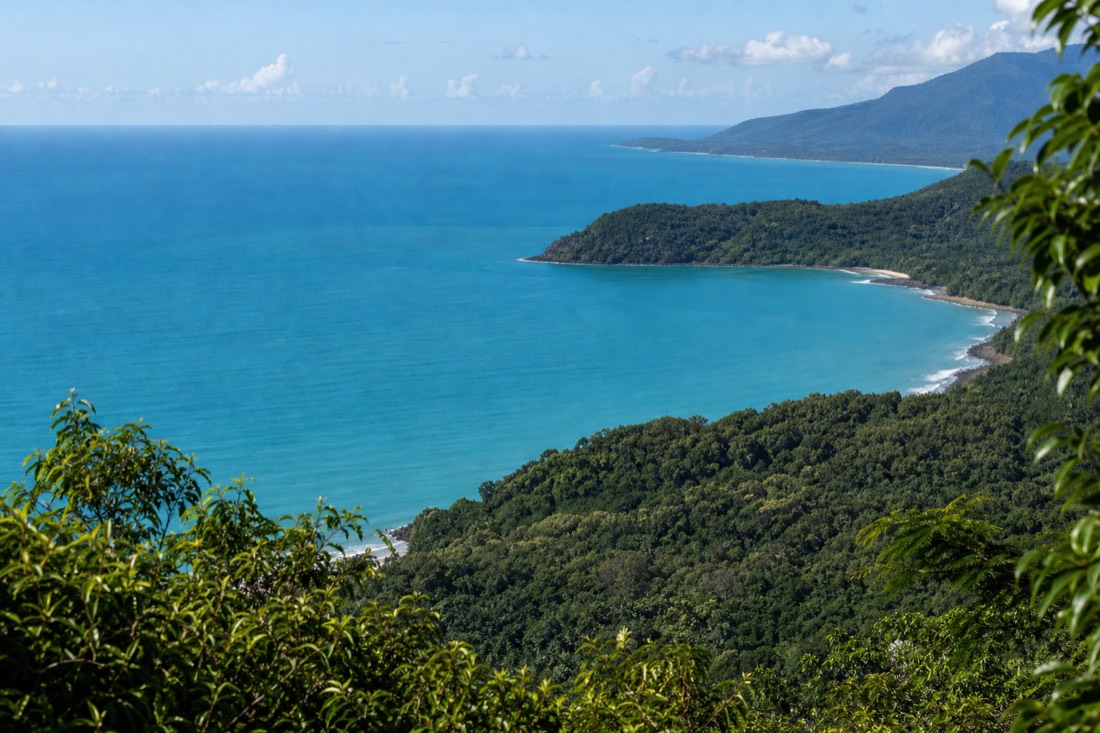
The lower Daintree is a tidal estuary where rainforest water meets the sea, and that seam is one of the richest habitats in Australia. Mangroves along the banks act as a nursery for fish and crabs, which feeds the birds and crocodiles above them, all backed by rainforest over 180 million years old.
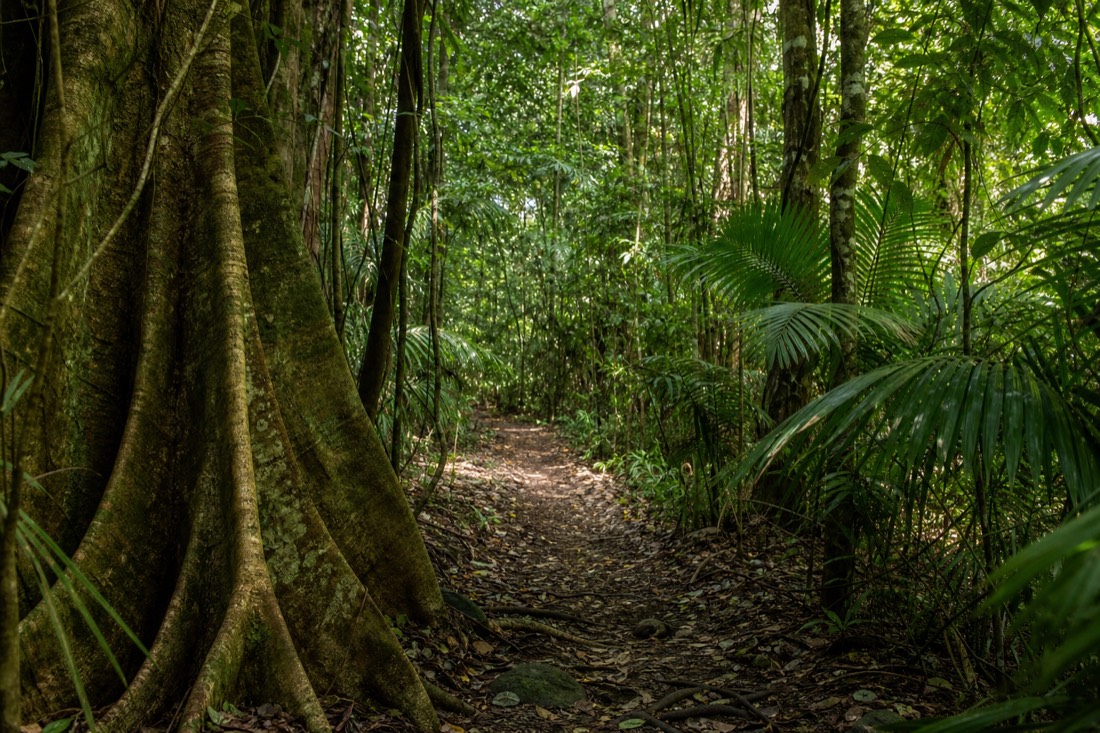
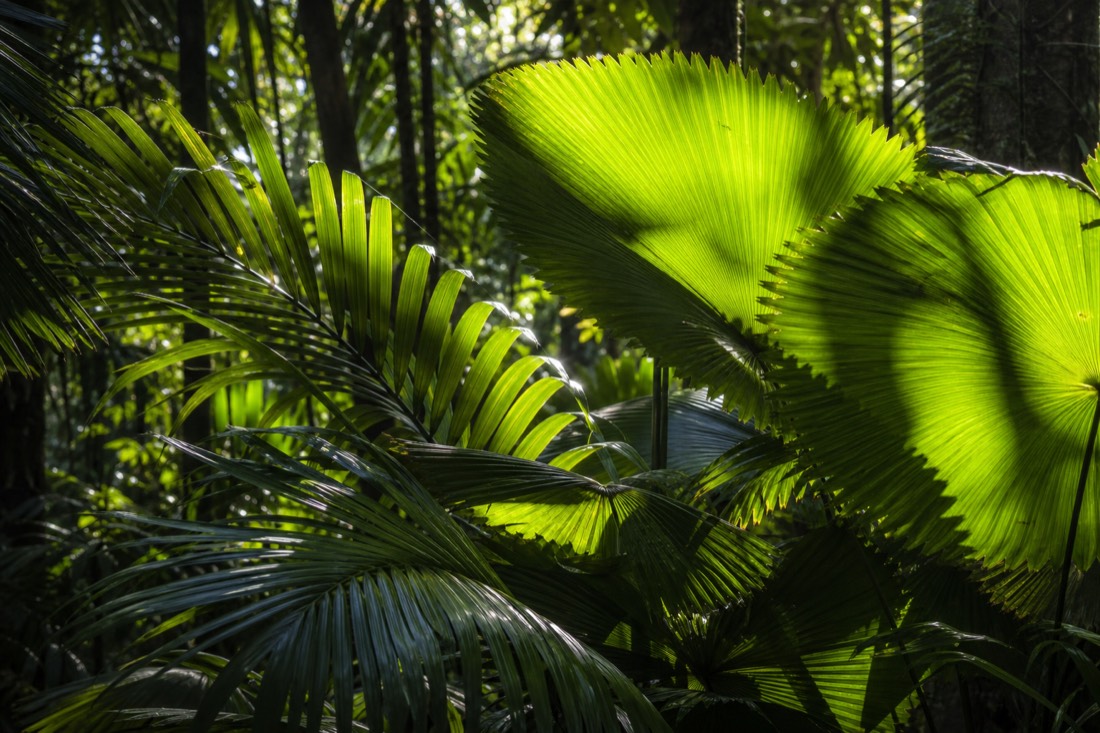
Every part of the system leans on the mangroves. Their tangled roots trap sediment and shelter the young fish that herons, egrets, kingfishers and sea eagles all hunt, and the same nursery raises the prey a young crocodile grows up on. The forest wall behind them belongs to the largest continuous stretch of tropical rainforest in Australia, and it spills its own life down to the water: fan palms leaning over the bank, strangler figs gripping the taller trees, the constant drip and rustle of a place that never really goes quiet.
Fresh water flowing off that ancient catchment mixes with the tidal salt to create brackish reaches where the food is concentrated and the wildlife stacks up. It is why an hour here beats a day of hopeful roadside stops. You are not searching a big empty forest for one animal; you are drifting along the single richest edge of it, where the mangroves, the river and the rainforest all meet.
Where Do The Cruises Depart, And How Do You Get There?
Standalone cruises require guests to reach the selected operator's local meeting point. The verified one-hour listings do not include transport from Cairns or Port Douglas, so confirm the exact meeting point, travel time and departure schedule before setting out.
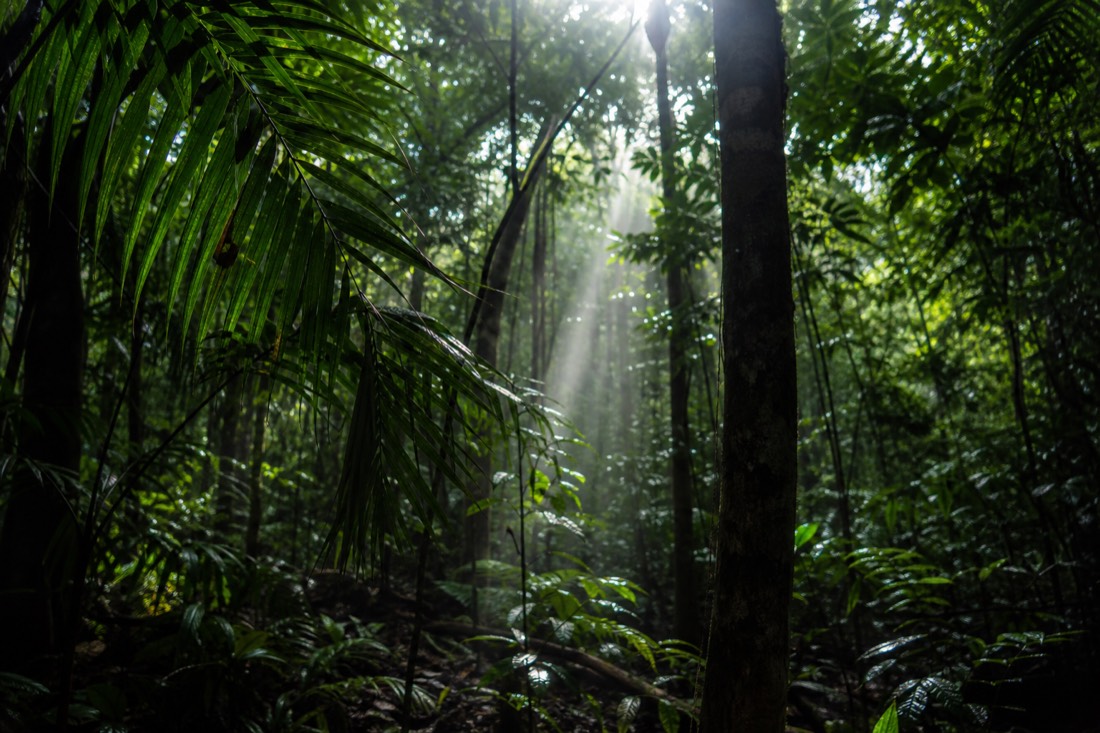
The drive and the selected operator's meeting point shape the logistics. Use the planning notes for travel from Cairns and Port Douglas, then check whether your route requires the cable ferry. Standalone cruise listings do not include transfers from either base, and wildlife sightings remain unpredictable at every departure time.
You do not have to do any of it yourself. Many day tours build a cruise into a route that already handles the ferry, the timing and the driving, and a couple of the longer packages run additional cruises on quieter waterways such as Cooper Creek nearby. If you would rather not chase the tide and the ferry queue on your own schedule, letting a tour carry the logistics is the simpler way to reach the river at its best hour.
When Is The Best Time To Spot Crocodiles On The Daintree River?
Early morning is a commonly considered planning window, but no departure time guarantees that crocodiles will be visible. Compare the operator's live schedule with your drive, weather and other Daintree plans.
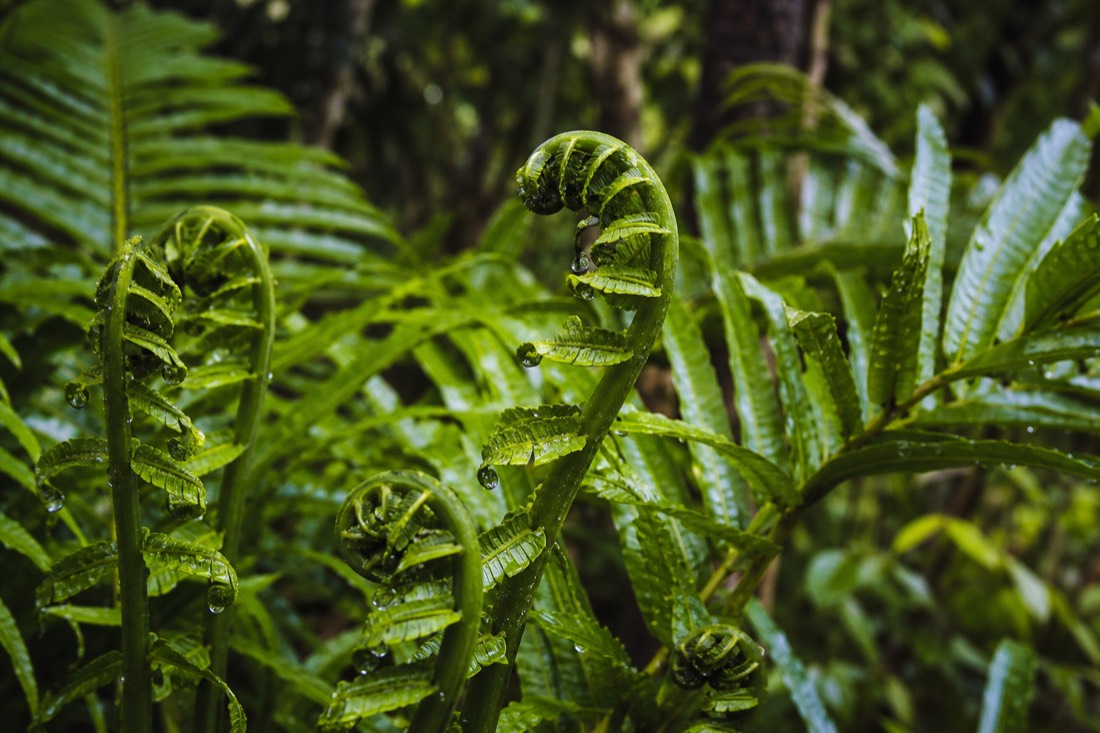
Departure schedules vary by operator. Earlier and later trips can experience different light, weather and river conditions, but the supplied cruise records do not support a guaranteed performance difference or a universal use of spotlights.
Tides change how much bank is exposed and form part of the river conditions a guide interprets. They do not guarantee where crocodiles will be or how closely a boat can approach. For wider seasonal planning, see our notes on the best months to visit.
| Factor | Better for crocodile spotting | Why it helps |
|---|---|---|
| Time of day | Check live departures | Light and conditions vary; sightings are not guaranteed |
| Tide | Varies by departure | Changes how much bank is exposed without guaranteeing wildlife |
| Season | Plan for local weather | River and weather conditions vary through the year |
| Weather | Dress for the forecast | Daintree River Wildlife Cruise operates in varied weather and does not provide raincoats |
| Boat | Check the selected operator | Boat design and access arrangements are not universal |
How Do Season And Time Of Day Change What You See?
Season and time of day can change the light, weather and river conditions, but neither creates a guaranteed crocodile sighting. Check live departures and current local conditions, especially when heavy rain may affect travel or operations.
None of this makes the wet season a write-off. Bird life stays busy, the forest is at its most electric green, and a break in the rain can be one of the best times of all to be out. What shifts is predictability. In the dry you can plan a dawn cruise weeks ahead with confidence; in the peak wet you build in a spare morning in case the river is running high. The table below is the honest version of what a given window tends to deliver.
| Window | Crocodile odds | Birdlife | Water and light | Verdict |
|---|---|---|---|---|
| Early departure | Not guaranteed | Not guaranteed | Check the forecast and selected departure | Useful if it fits your route |
| Mid-morning departure | Not guaranteed | Not guaranteed | Check the forecast and selected departure | Useful if it fits your route |
| Midday departure | Not guaranteed | Not guaranteed | Check the forecast and selected departure | Useful if it fits your route |
| Green-season departure | Not guaranteed | Not guaranteed | Allow for changing weather | Confirm current operations |
| After heavy rain | Not guaranteed | Not guaranteed | Conditions may change | Confirm the cruise is operating |
How Many Crocodiles Will You Actually See?
There is no reliable crocodile count for a Daintree River cruise. Guides may look for crocodiles and other wildlife, but sightings, animal size and the number observed are never guaranteed.
Plan around the guided river experience rather than a number. Conditions and animal behavior vary, and the presence of a guide does not create a guaranteed sighting. A cruise provides interpretation from the boat without encouraging roadside or water-edge wildlife searching.
If your only question is the blunt one, our short read on whether crocodiles really live in the river answers it plainly: yes, they do, they are genuinely wild, and the river is their home. The cruise exists precisely so you can watch that from a safe, respectful distance instead of stumbling into it.
What Wildlife Lives Along The River Besides Crocodiles?
Guides may look for birds, snakes, frogs and other wildlife as well as crocodiles. Which species appear varies by trip, and no named animal should be treated as a common or guaranteed sighting.
Birds and other river wildlife can be part of the experience even when crocodiles are not visible. A guide can help interpret what is present, but cannot guarantee a kingfisher, raptor, python or any other named species.
Flying foxes, the big fruit bats of the tropical north, hang in the taller trees along the water and lift off in ragged clouds at dusk. Frogs are heard more than seen, though a quiet drift past the reeds often turns one up. For the species-by-species picture across the whole region, not just the river, see the full Daintree wildlife rundown, which maps where and when each animal is easiest to find.
| Species | How often seen | Where to look |
|---|---|---|
| Estuarine crocodiles | Possible, not guaranteed | Guides may scan the river and banks |
| River birds | Possible, not guaranteed | Guides may scan mangroves, banks and canopy |
| Snakes | Possible, not guaranteed | Guides may scan riverside vegetation |
| Frogs and other wildlife | Possible, not guaranteed | Observations depend on current conditions |
What Kind Of Boat Is It, And How Long Does The Cruise Last?
The verified standalone options run for about one hour and include guide commentary, but boat design, capacity and inclusions vary by operator. Daintree River Wildlife Cruise meets locally and includes a Daintree tea, coffee or slushie before or after the cruise, with no Cairns or Port Douglas transport.
A guide narrates the cruise and interprets the river environment. Check the selected operator for boat design, cover, capacity and boarding arrangements rather than treating those features as universal. The focused cruise duration is about one hour.
Booked on its own, the standalone river wildlife cruise is a focused one-hour activity. Check the live listing for current availability and operator-specific limits. Daintree River Wildlife Cruise requires a 200 to 250-metre gravel walk with slopes and steps and has no established wheelchair or stroller access. Pregnancy, back-problem, seasickness and no-stroller exclusions belong specifically to the separate GYG 708519 listing.
| Feature | What to expect |
|---|---|
| Boat type | Varies by selected operator |
| Cruise length | About one hour for products Daintree River Wildlife Cruise and GYG 708519 |
| Group format | Shared |
| Departs from | The selected operator's local meeting point |
| Commentary | Guide interpretation is included |
| Daintree River Wildlife Cruise inclusions | Daintree tea, coffee or slushie; no Cairns or Port Douglas transport; no raincoat |
| Daintree River Wildlife Cruise access | 200 to 250-metre gravel walk with slopes and steps; wheelchair and stroller access not established |
| GYG 708519 limits | No hotel transfers, food or drinks, or strollers; excludes pregnancy, back problems and seasickness |
How Do The Guides Keep Everyone Safe Around Wild Crocodiles?
Wild crocodile habitat always requires caution. Follow the skipper's instructions, remain in the boat, keep arms and gear inside, and never swim, wade or stand at the river's edge. A guided cruise manages how visitors observe the river, but it does not remove every risk.
Estuarine crocodiles are wild and dangerous. Listen to the operator's briefing and instructions throughout the cruise, and do not assume that guide presence makes close proximity or unsafe passenger behavior acceptable.
The single rule that matters most extends past the boat: never swim, wade or stand at the water's edge anywhere on the tidal river. Do not assume that cold, clear, fresh or upstream water is crocodile-free or safe based on appearance. Our guide to swimming conditions in the Daintree explains the hazards and why Mossman Gorge swimming is not recommended. The river is for watching, not for cooling off.
Which Daintree Cruise Should You Choose?
If you only want the river, choose a standalone one-hour cruise for its focus. If you want the river within a wider day, compare tours that include transport, the ferry and other Daintree stops. Check the exact pickup base, duration, ages and access limits before choosing.
The right format depends on the available time and transport. A full-day trip can combine a river cruise with Cape Tribulation up the coast. The shared Daintree and Cape Tribulation day tour accepts bookings from age four and serves listed Cairns, Northern Beaches and Port Douglas pickups, while the Port Douglas small-group tour is limited to ages 7 to 85, Port Douglas pickup and up to 11 guests.
Prices below are indicative in US dollars; always check the live listing for the current rate, the cancellation window and the exact inclusions before you pay.
| Option | What it is | Cruise time | From (check live) | Best for |
|---|---|---|---|---|
| Standalone river cruise | River only, meet at the operator's local property | About 1 hour | Check live listing | River-focused visitors with their own transport |
| Daintree and Cape Tribulation day tour | River cruise, ferry, guided rainforest and beach walks | Included in a 9-hour day | Check live listing | Cairns, Northern Beaches or Port Douglas guests aged 4 or older |
| Port Douglas small-group tour | Mossman Gorge, Daintree River, Cape Tribulation and Noah Valley | Included in a 9-hour day | Check live listing | Port Douglas guests aged 7 to 85 seeking a group of up to 11 |
| Private Cape Tribulation day tour | Mossman Gorge, Daintree River and Cape Tribulation in a private vehicle | Included in a 12-hour day | Check live listing | Private parties using listed Cairns, Northern Beaches or Port Douglas pickup |
What Should You Bring On A Daintree River Cruise?
Pack light but pack smart: binoculars change the trip entirely, sun protection is non-negotiable, and insect repellent earns its place near the mangroves. Add a light rain layer in any season, water, and a camera with some zoom. Wear closed shoes for the jetty and keep everything inside the boat.
Binoculars are the one item people wish they had brought. A basking crocodile is often across the river, and a kingfisher never sits still, so even a cheap pair transforms both. The tropical sun is strong on open water even under a boat canopy, and sandflies and mosquitoes are keen near the banks, so cover both. For a fuller kit list across every Daintree activity, our notes on what to wear and pack for a Daintree tour go deeper.
| Item | Why it matters |
|---|---|
| Binoculars | Wildlife is often across the river or high in the canopy |
| SPF 50+ sunscreen, hat, sunglasses | Strong sun reflects off open water |
| Insect repellent (DEET 30 to 50%) | Mosquitoes and sandflies near the mangroves |
| Light rain layer | Short showers happen even in the dry season |
| Camera with zoom | You rarely get close to the animals |
| Water and closed shoes | Warm, humid air and a working jetty |
When Across The Year Are The Cruises Best?
Weather and river conditions vary through the year. Check current conditions and the operator's live schedule, and allow flexibility when heavy rain may affect travel or cruise operations. No season guarantees wildlife sightings.
Australia's own tourism board frames the dry season the same way, and Tourism Australia's Daintree guide is a good sanity check on conditions before you lock in dates. For the science of the catchment and why the river behaves as it does, the Wet Tropics Management Authority is the authority on the wider Wet Tropics.
| Window | Rainfall | River conditions | Cruise rating |
|---|---|---|---|
| May to October | Check current forecast | Conditions vary | Check live operations |
| November | Check current forecast | Conditions vary | Allow schedule flexibility |
| December to March | Heavy rain may occur | Conditions can change | Confirm the cruise is operating |
| April | Check current forecast | Conditions vary | Check live operations |
Is A River Cruise Worth It On A Tight Schedule?
A one-hour cruise can fit a tight schedule more easily than a nine or twelve-hour tour. It provides focused river interpretation, but wildlife remains unpredictable and should not be treated as the region's most reliable sighting.
The cruise rewards patience out of all proportion to its length. You are not covering ground or ticking a list; you are sitting still while a very old ecosystem carries on around you. First-time visitors who go in expecting a quick croc photo tend to come off the boat talking about the quiet, the birds, and the sheer scale of the mangrove wall. That is the Daintree doing what it does best, and one slow hour is enough to feel it.