What To Wear And Pack For A Daintree Rainforest Tour
Pack for heat, humidity and sudden rain, and pack light. You want quick-dry clothes, closed shoes, repellent, sun protection and water, plus a rain jacket and a dry bag in the wet season. Add swimwear only when your booked activity requires it. Tour inclusions vary, so check the selected listing before leaving food, water or fee arrangements out of your plan. Here is the full list.
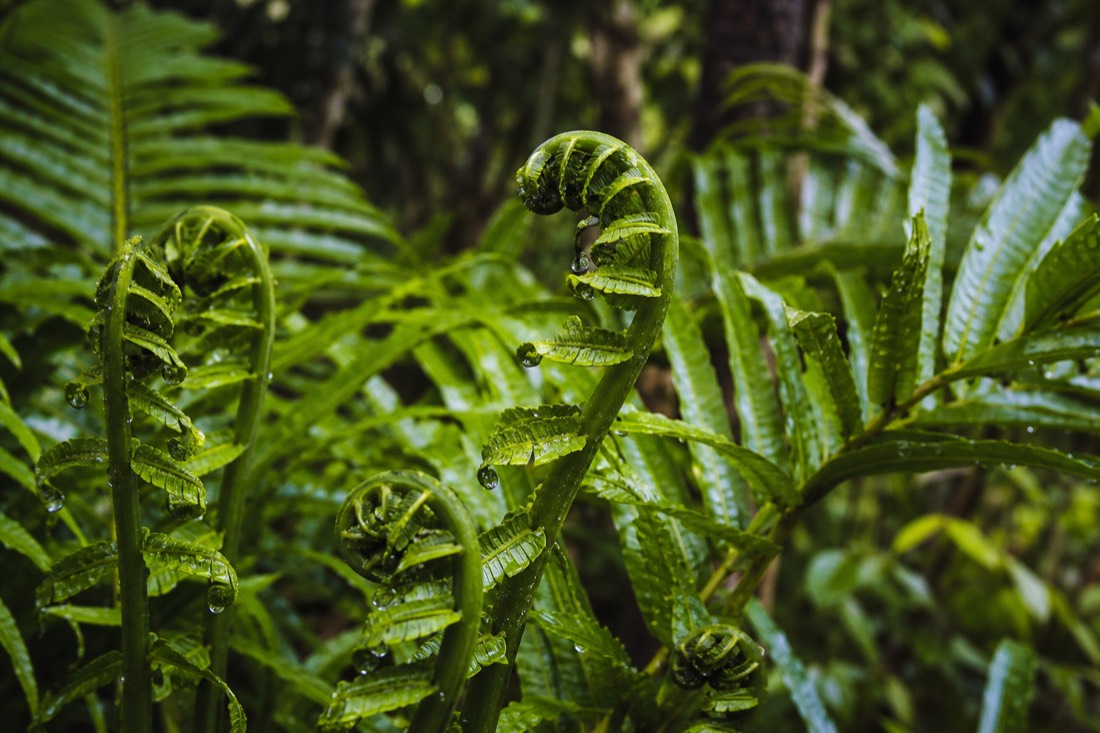
The Daintree is hot, humid and often wet even when the forecast says dry, so the mistake most people make is dressing for a beach holiday and bringing far too much. You may be walking shaded boardwalks, while any private-creek swim depends on the booked itinerary, operator assessment and current conditions. Tropical showers can arrive quickly. Light, quick-drying and practical beats stylish every time here.
Booking Choice: Start with the Daintree and Cape Tribulation Day Tour for a classic full day: transport from Cairns or Port Douglas, river cruise, ferry, guided walks, refreshments and lunch simplify daypack planning.
Check Dates For The Daintree And Cape Tribulation Day TourInclusions vary between the trips arranged through Daintree Rainforest Tours. Some verified full-day options compared here include transport, lunch or refreshments, water, park fees and ferry travel, but you must check the selected listing before packing. This is what to wear, what to bring in the dry season versus the wet, what the tours provide, and the few things you should leave behind. The right base to pack from depends on the season, so it helps to know the dry season and the wet season before you fill the bag.
What Should You Wear On A Daintree Tour?
Wear lightweight, quick-dry clothing and closed walking shoes with grip. Add a hat, sunglasses and a light layer. Pack or wear swimwear only if your specific booking includes a reef activity or a condition-dependent private-creek opportunity. Skip cotton that stays wet and skip open sandals as your only footwear. The forest is warm and damp, so you want fabric that dries fast and shoes that handle roots and slippery rock.
A quick-dry shirt and shorts or light trousers are ideal, since cotton soaks up sweat and rain and stays clammy all day. Closed shoes matter more than people expect: boardwalks are fine, but circuit tracks have roots, steps and wet granite, and thongs slide. Wear swimwear under your clothes only if your specific booking includes a water activity. Any private-creek swim remains subject to operator assessment and current conditions, and Queensland Parks and Wildlife Service does not recommend swimming at Mossman Gorge because of unpredictable currents and submerged hazards. Long, light sleeves and trousers double as sun and insect cover on the more exposed sections. A wide-brim hat and polarised sunglasses round it out, especially for the drive and any time on the water.
What Should You Pack For The Dry Season Versus The Wet Season?
In the dry season, May to October, pack for heat and sun, adding swimwear only if your booked activity calls for it. In the wet season, November to April, add a light rain jacket, a dry bag and a spare shirt, and expect mud. The core kit stays similar year round; the wet season adds more rain protection and a way to keep your phone dry.
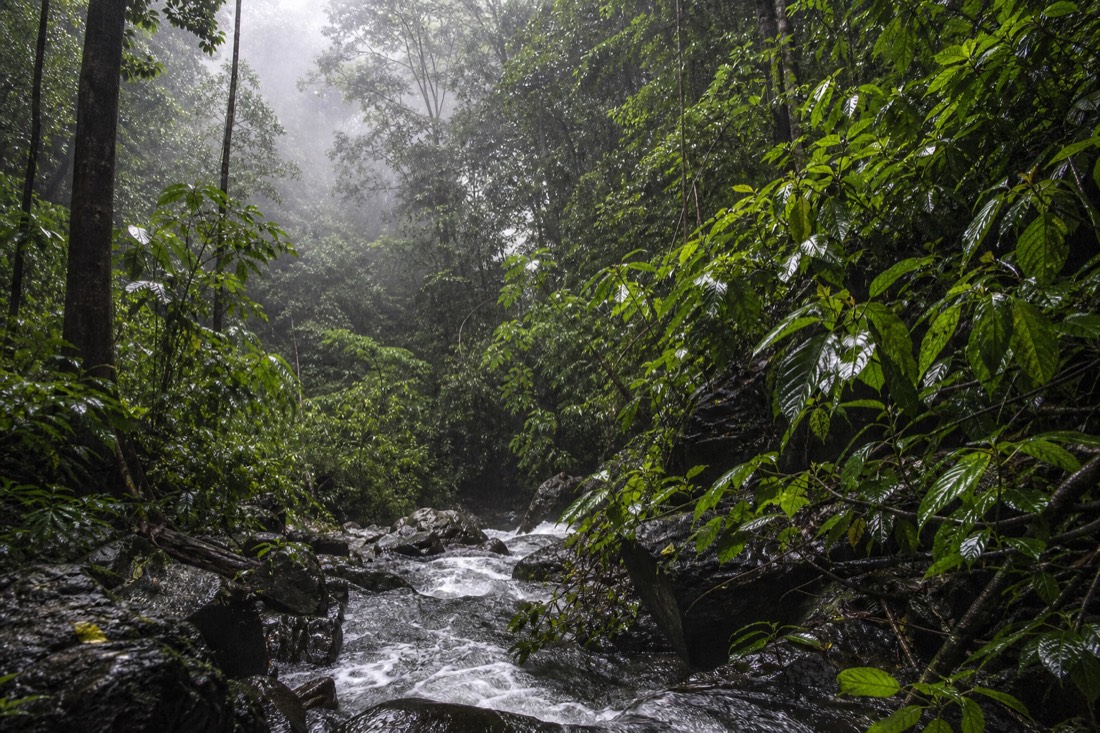
The dry season is the easier pack: sun protection, water and repellent do most of the work, with swimwear added only for a booked water activity and rain generally a lower risk. The wet season, and especially the peak from December to March, brings frequent heavy showers, high humidity and muddy trails, so a packable rain jacket beats an umbrella under the canopy, and a dry bag keeps your phone and camera safe when the sky opens. Either way you are dealing with heat and insects, so the matrix below shows what carries across and what the wet months add.
| Item | Dry season (May to Oct) | Wet season (Nov to Apr) |
|---|---|---|
| Quick-dry clothing | Yes | Yes, plus a spare shirt |
| Closed walking shoes | Yes | Yes, expect mud |
| Swimwear and towel | If required by the booked activity | If required by the booked activity |
| Insect repellent | Yes | Yes, mosquitoes worse |
| Reef-safe sunscreen and hat | Essential | Yes, sun still strong |
| Light rain jacket | Handy | Essential |
| Dry bag | Optional | Strongly recommended |
| Drinking water | Yes | Yes |
What Are The Essentials To Pack For Any Daintree Tour?
Whatever the season, bring insect repellent, reef-safe sunscreen, a hat, sunglasses, water and a small daypack. A dry bag for your phone is a useful small addition. Bring swimwear and a quick-dry towel only when your specific reef trip or tour itinerary calls for them; do not assume freshwater swimming is part of a Daintree day.
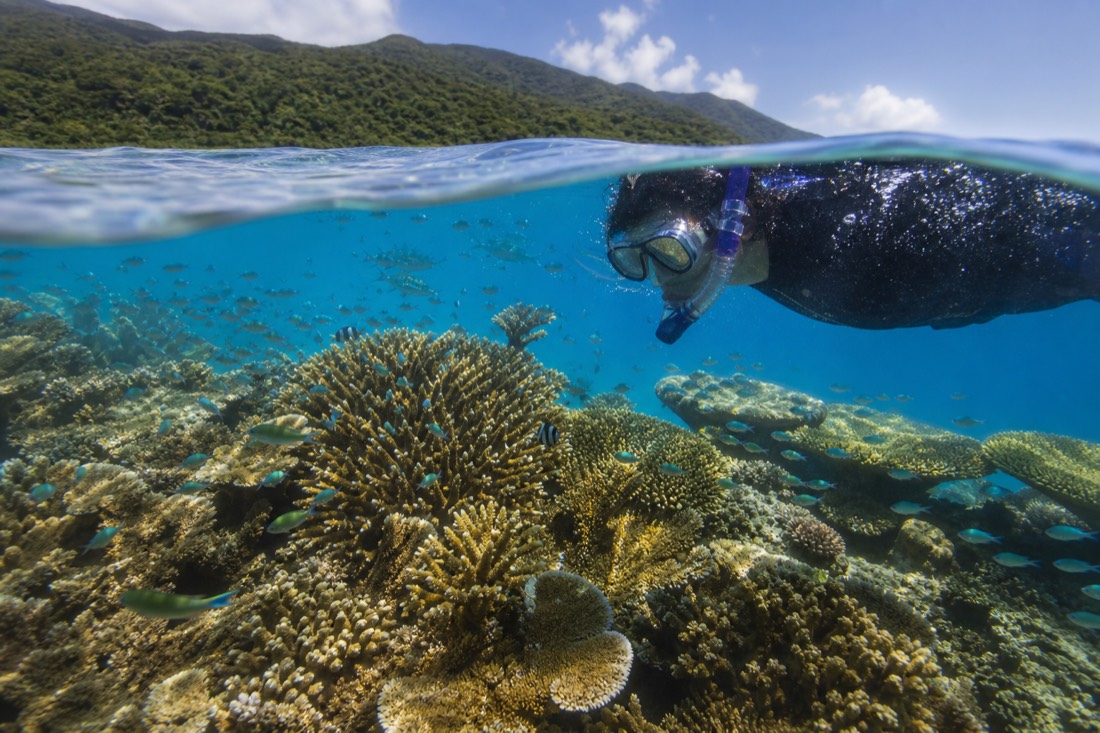
Insect repellent is not optional, since mosquitoes and sandflies work the shaded, damp forest and the riverbanks, and a repellent with a decent concentration of active ingredient is worth it. Use reef-safe sunscreen because runoff reaches sensitive waterways, and pair it with a wide-brim hat. Carry a refillable water bottle and check whether your booking supplies drinking water. Swimwear and a towel belong in your bag only when your specific booking includes snorkeling or a conditional private-creek swim; do not treat an unspecified freshwater swim stop as safe based on clear or fresh-looking water. A dry bag or even a zip-lock bag helps protect your phone through a downpour or splash.
What Do Daintree Tours Usually Provide?
Inclusions vary by product. Verified full-day options compared here may include lunch or refreshments, drinking water, park fees and ferry fees, while the verified Cape Tribulation reef trip includes snorkeling equipment and a wetsuit or sunsuit. Check the selected listing before deciding whether to leave food, water or rain protection behind.
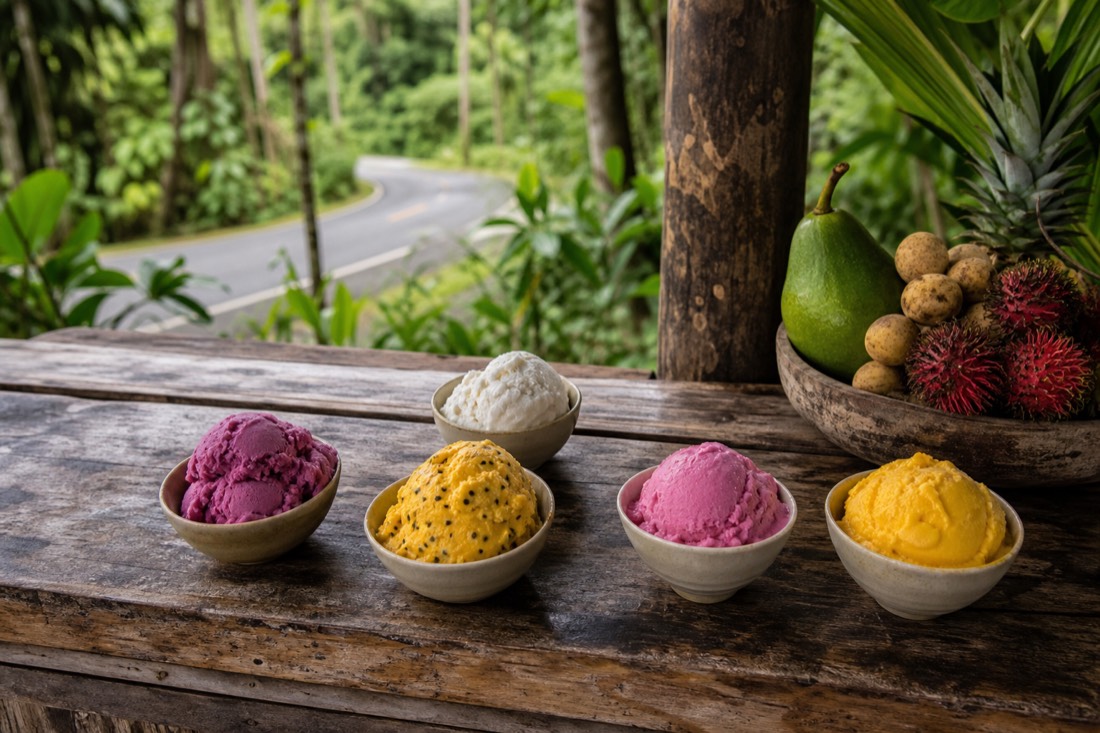
Knowing what is covered can keep your daypack smaller, but the exact listing controls. The verified Daintree and Cape Tribulation Day Tour includes return transport, a Daintree River cruise, ferry and park fees, refreshments, lunch and tropical fruit ice cream. The verified Port Douglas small-group option includes Port Douglas pickup, morning tea, lunch, water, umbrellas and insect repellent. The verified private Cape Tribulation day tour includes pickup from listed Cairns, Northern Beaches and Port Douglas locations, private transport, morning tea, lunch and water. The verified Cape Tribulation reef trip supplies snorkeling equipment and a wetsuit or sunsuit, but guests bring swimwear, a towel, hat and suitable warm layers. The self-guided Discovery Centre pass excludes transport and meals. Check the selected listing before deciding what not to carry.
| Selected activity | Verified inclusions and packing check |
|---|---|
| Full-day Daintree tour | Transport, food, water, ferry and park-fee inclusions vary; check the exact listing and pickup area. |
| Port Douglas small-group tour | Umbrellas, insect repellent, lunch and water are included; bring your own clothing and personal essentials. |
| Cape Tribulation reef trip | Snorkeling equipment and a wetsuit or sunsuit are included; bring swimwear, a towel, hat and suitable warm layers. |
| Daintree Discovery Centre pass | Admission and interpretation are included; transport and meals are not. |
| Any water activity | Bring swimwear and a towel only when the selected booking requires them. |
What Should You Not Bring To The Daintree?
Leave behind single-use plastics, drones, and anything that tempts you to feed wildlife. Do not rely on open sandals as your only shoes, do not bring a big suitcase for a day trip, and skip heavily scented products. This is a fragile World Heritage forest with real rules, so pack light and pack clean.
Feeding wildlife is harmful and, in the case of cassowaries, dangerous, so bring nothing intended for the animals and keep your food packed away. Drones are restricted in national parks, so do not assume you can fly one, and check the current rules with the Wet Tropics Management Authority before you travel. Single-use plastics blow into a sensitive environment easily, so a refillable bottle and reusable containers are the better call, and you should carry out everything you carry in. Footwear is the common packing error, since sandals alone leave you slipping on the tracks. And there is no need for a full suitcase on a day tour, so a small daypack with the essentials above is all you want on your back. For the wider safety picture, from sun and heat to insects, our rundown of the real risks worth planning for is a useful companion to this list.