How Much Does The Daintree River Ferry Cost? (2026)
The Daintree River has no bridge, so a cable ferry carries vehicles across to the Cape Tribulation side. From 1 July 2026, a car or ute costs A$57 return or A$35 one way. Here is how the ticket works, how to buy it and when a guided tour includes the crossing.
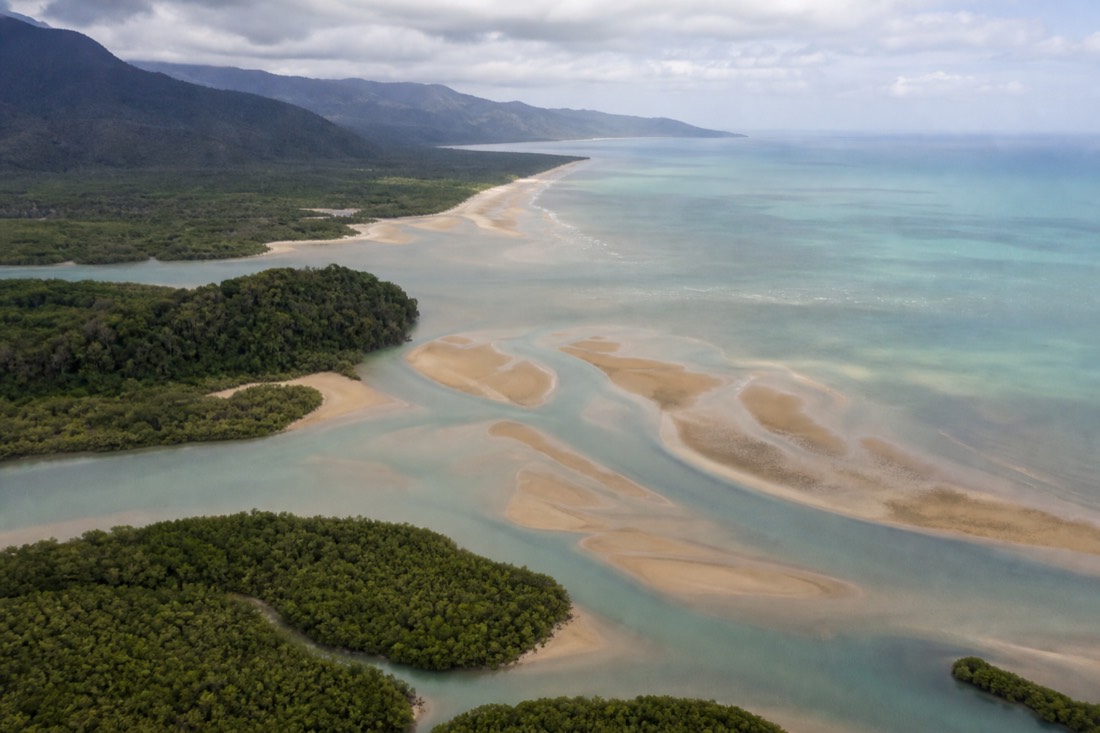
Ask what the Daintree ferry costs and you will find different numbers on different pages, because Douglas Shire Council updates fares annually. The current 2026–27 car or ute fare is A$57 return or A$35 one way, verified against the operator’s fare card on 11 September 2026. Check again before travel if your visit falls in a later fee period.
Booking Choice: For a guided alternative, the 9-hour Daintree and Cape Tribulation Day Tour includes the ferry, river cruise, park fees, lunch and transport from listed Cairns or Port Douglas pickup areas.
Check Dates For The Daintree And Cape Tribulation Day TourHow Much Does The Daintree River Ferry Cost?
From 1 July 2026, a car or ute costs A$57 return or A$35 one way. Pedestrians and cyclists pay A$8 return or A$7 one way. These are the council-set 2026–27 fares; trailers, caravans, motorbikes and larger vehicles have separate rates.
A standalone ferry crossing is a transport ticket, not a guided activity. Use the current fare for your vehicle category when calculating the self-drive total.
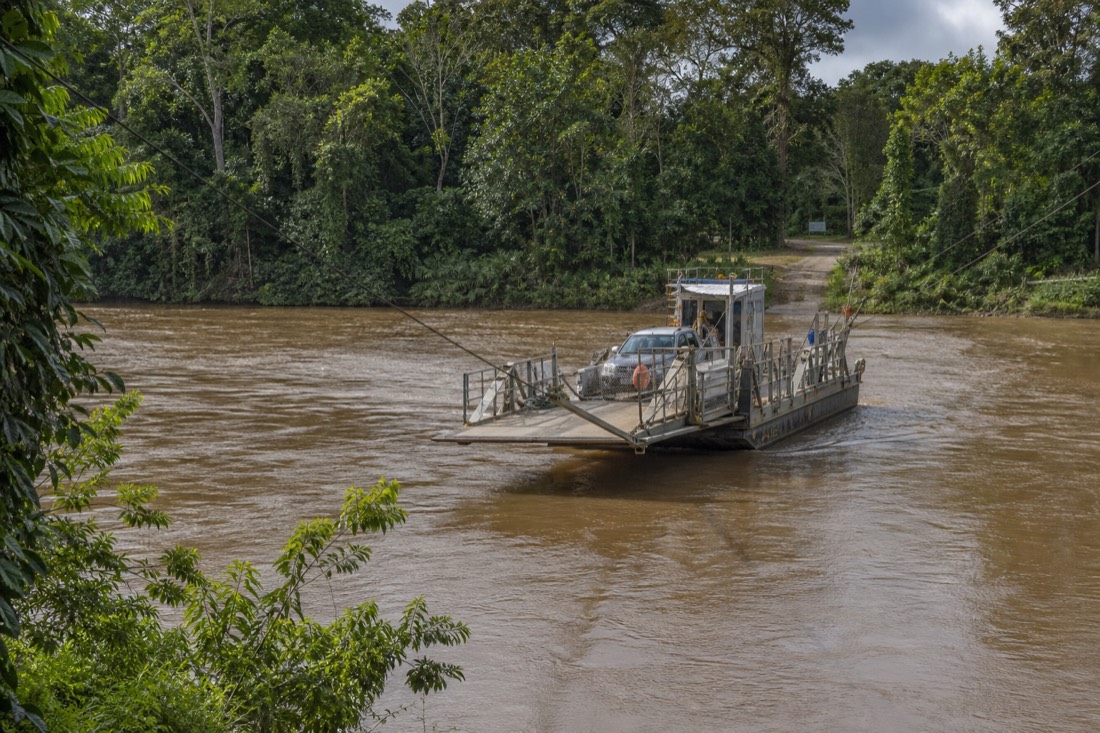
Car fares apply per vehicle, while pedestrians and cyclists have their own ticket category. A return car ticket costs A$13 less than two A$35 single tickets at the current rates. For the drive that leads up to it, see our guide to getting there from Cairns and the ferry crossing.
How Does The Cable Ferry Fee Work?
The fee is charged by vehicle for cars, with a return ticket covering both crossings and a one-way option for a single trip. Pedestrians and cyclists pay a lower per-person rate. Almost everyone driving up buys the return, since you have to come back across the same river to return south from Cape Tribulation.
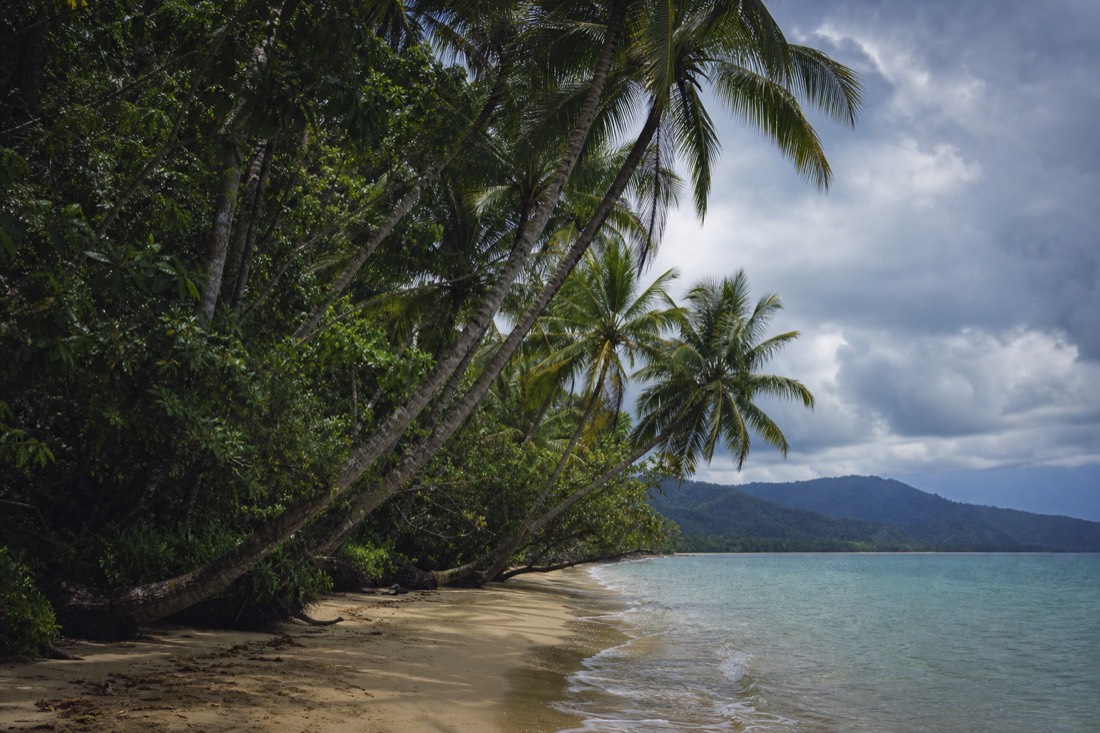
The choice between return and one-way is simple in practice. If you are doing a normal day trip or an overnight to the Cape Tribulation side and coming back the way you came, the return fare is what you want, and it works out cheaper than paying two one-ways. A one-way only makes sense if you are continuing north on the Bloomfield Track toward Cooktown and not returning by the ferry, which is an adventure route rather than a standard visit.
| Ticket | What it covers | Paid |
|---|---|---|
| Vehicle, return | Both crossings on one ticket | Online or per current operator instructions |
| Vehicle, one way | A single crossing | Online or per current operator instructions |
| Pedestrian or cyclist | One person, on foot or by bike | Online or per current operator instructions |
Where And How Do You Pay For The Ferry?
You can pre-purchase a ticket online through the ferry operator and present the emailed QR code for scanning when boarding. The operator recommends purchasing 24 hours ahead. Check its current instructions for buying at the crossing and payment methods before driving up.

Online ferry tickets are available, so you can arrange the crossing before a self-drive visit. A ticket does not reserve a particular departure or remove the possibility of a queue. Allow extra time around weekends and school holidays, and check service updates before leaving.
Ferry tickets can be bought online as QR tickets. A guided-tour booking is not a standalone ferry ticket and does not reserve a ferry departure.
What Hours Does The Daintree Ferry Run?
The operator publishes daily hours of 5am to midnight. Flooding, river conditions, maintenance or special holiday arrangements can affect service, so check the current operating notice before relying on a late return.
Getting stranded on the northern bank because you missed the final crossing is a genuinely bad end to a good day, and it is entirely avoidable. If you plan to stay out for sunset on the Cape Tribulation side, confirm the last-crossing time first, since it is published alongside the fare. For most visitors doing a daytime loop, the hours are generous enough that the ferry is simply there whenever you reach it.
Is The Ferry Included In A Guided Tour?
Several full-day Cape Tribulation tours list the ferry in their inclusions. Check your selected product and option rather than assuming every tour covers it. An included crossing lets the operator arrange the ticket and itinerary timing, but does not guarantee a queue-free crossing.
This is one of the quiet conveniences of going guided. Selected guided days listed by Daintree Rainforest Tours include the ferry, park fees and lunch when stated in the selected itinerary, so the crossing becomes just another part of the ride rather than a transaction you manage. Whether it is a full-day Cape Tribulation tour or a guided 4WD day up the Bloomfield Track, confirm the ferry and the exact road section in the current itinerary; neither a full Bloomfield Track transit nor a queue-free crossing is assumed. If you would rather do it yourself, our look at whether you can visit the Daintree on your own lays out the self-drive version.
How Do You Check The Current Ferry Fare Before You Go?
Check the Douglas Shire Council ferry information, which sets and publishes the current fare and operating hours. The council is the authority on the amount, so its figure is the one to trust over any travel page, including older articles that quote a specific dollar value that may since have changed.
A quick search for the Douglas Shire Council Daintree ferry page before you drive up will confirm both the fare and the last crossing time in one place. If you are only visiting Cape Tribulation on a tour, you can skip the check entirely, since the fare is included. Either way, planning the season helps: our guide to the best time of year to visit covers when the crossings are busiest and when the river is at its most cooperative. For a wider overview of the crossing and the drive, Tourism Australia's guide to the Daintree is a useful, up-to-date reference.
Use the operator’s current fare card for the actual crossing charge. The calculator below compares your own complete self-drive and tour quotes without assuming savings.