Is The Daintree Rainforest Safe? Crocodiles, Stingers And Driving
The Daintree has a fearsome reputation and a genuinely gentle reality. Crocodiles, stingers and a twisting road are all real, and visitors can reduce their exposure by following current warnings and local advice. This is the honest safety picture, risk by risk, for day-trippers, families and solo travellers alike.
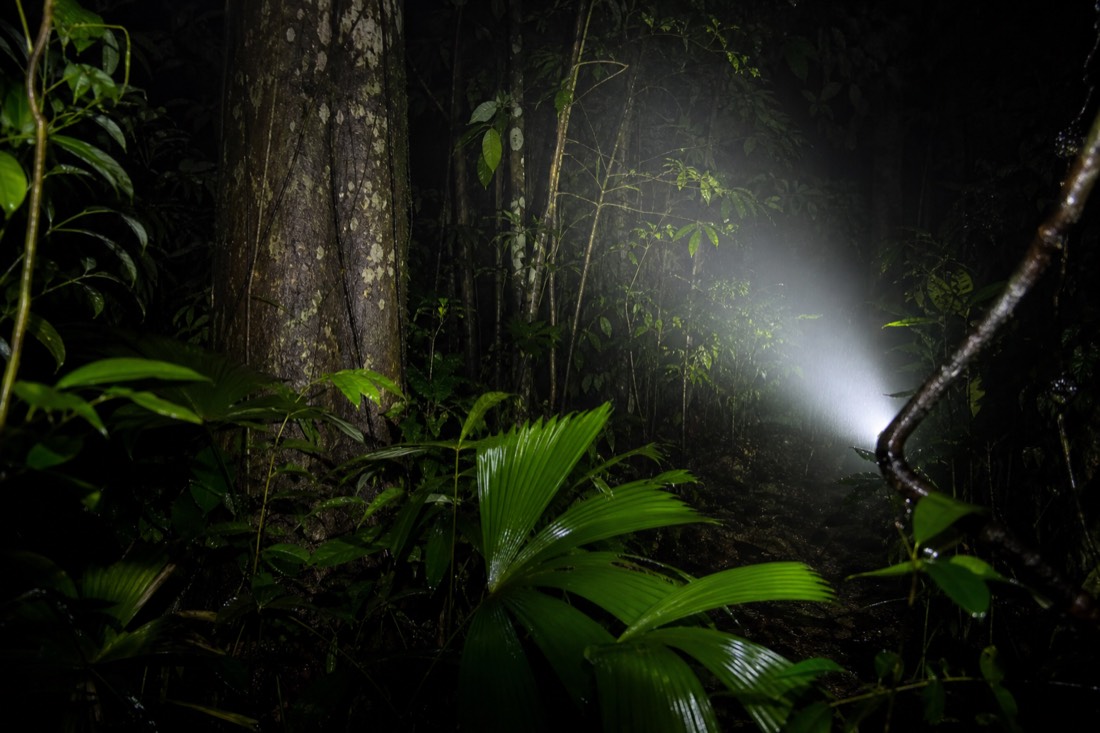
Ask around before a trip and the Daintree can start to sound like a place actively trying to kill you: crocodiles in the rivers, jellyfish in the sea, a road that clings to cliffs, snakes and spiders in the undergrowth. The reality is a lot calmer. The region has identifiable environmental risks, and responsible visitors should follow current warnings rather than treating them as hazards that require little thought.
Booking Choice: For first-time visitors, the Daintree And Cape Tribulation Day Tour combines return transport, guided walks and a river cruise, avoiding the need to drive the winding route independently.
Check Dates For The Daintree And Cape Tribulation Day TourThe point here is not to scare you or wave the dangers away, but to lay them out plainly. Almost every real risk comes down to water, weather or the road, and each has a simple rule attached.
Is The Daintree Rainforest Safe To Visit?
The Daintree can be visited responsibly, but no visit is risk-free. Visitors need to follow current warnings for crocodiles, marine stingers, weather and road conditions, and choose activities that suit their ages, health and mobility.
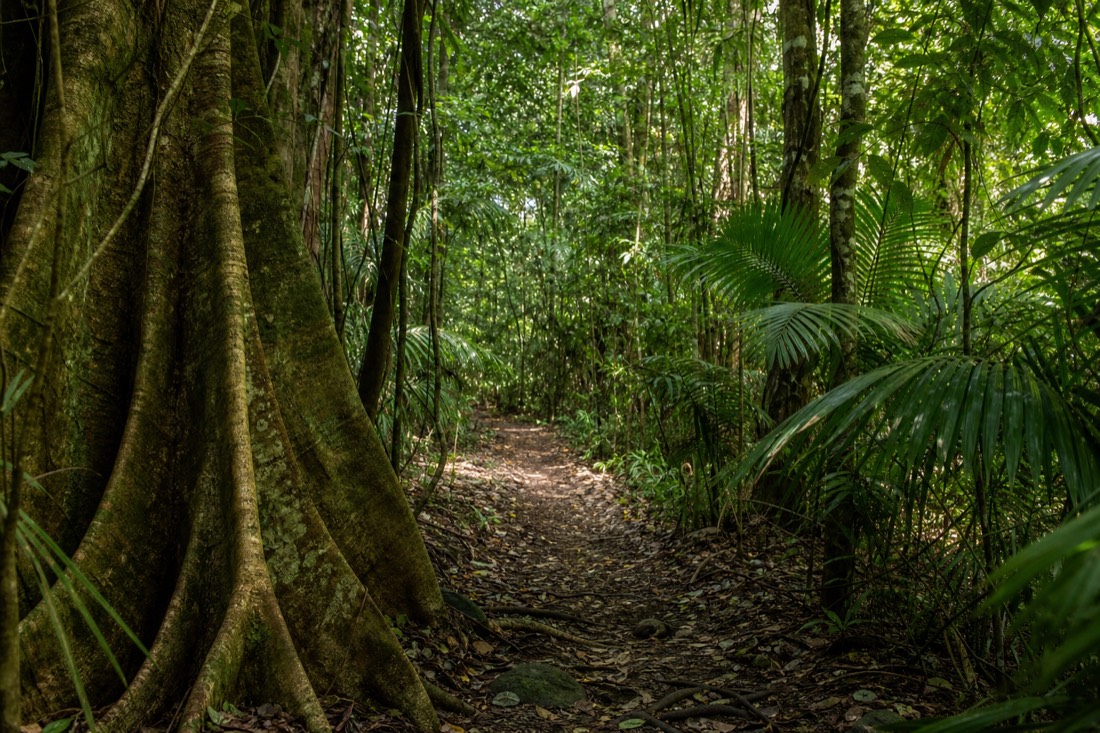
It helps to separate the two kinds of safety. The area is remote, so visitors should still use normal personal-safety precautions and plan for limited services and communications. Environmental risks also require attention because water, weather, wildlife and road conditions can change.
That is why a guided day can simplify a first visit. A tour may provide boat-based river viewing and handle the driving, but guides cannot guarantee safety, weather or water conditions. Any optional swim must remain subject to current warnings and the operator's assessment.
How Dangerous Are The Crocodiles?
Saltwater crocodiles are a serious regional hazard and may occur in clear or fresh water as well as rivers, creeks, estuaries and coastal areas. Never use the appearance of a waterhole to decide that it is safe. Stay well back from every tropical waterway, obey warning signs and follow current official advice.
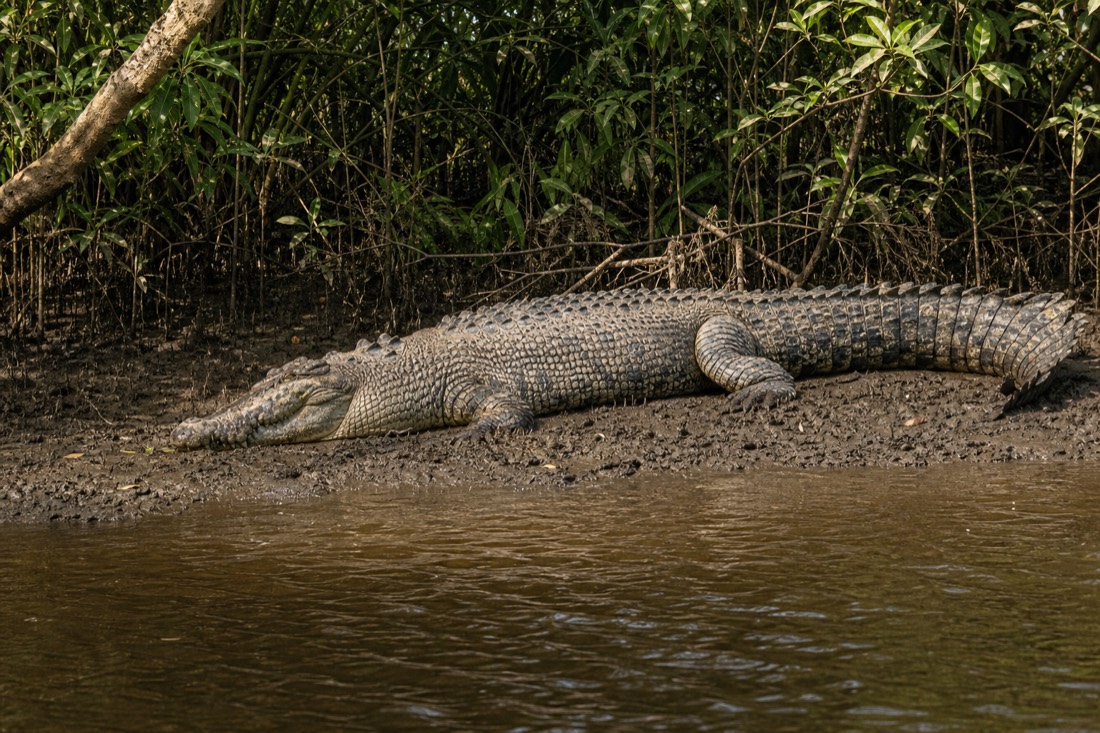
Saltwater crocodiles occur in the Daintree River and its estuaries and may also occur in clear or fresh water. Water appearance cannot establish safety, so keep a solid margin from every tropical waterway and assume crocodiles may be present even where you cannot see one. Do not clean fish on the bank, keep children and dogs away from the shoreline, obey every warning sign and follow current official advice.
A guided river wildlife cruise keeps wildlife viewing boat-based and provides interpretation of the river environment, although crocodile and other wildlife sightings are not guaranteed. For the fuller answer on the population and precautions around the river, read whether the river really has crocodiles.
What About Marine Stingers At The Beaches?
Along the tropical coast, potentially dangerous marine stingers, including box jellyfish and Irukandji, may be present, with higher concern during the warmer months, roughly November to May. Dates and conditions vary, so check current local advice, follow signs and wear a stinger suit when recommended. A stinger suit reduces exposed skin but does not make swimming risk-free.
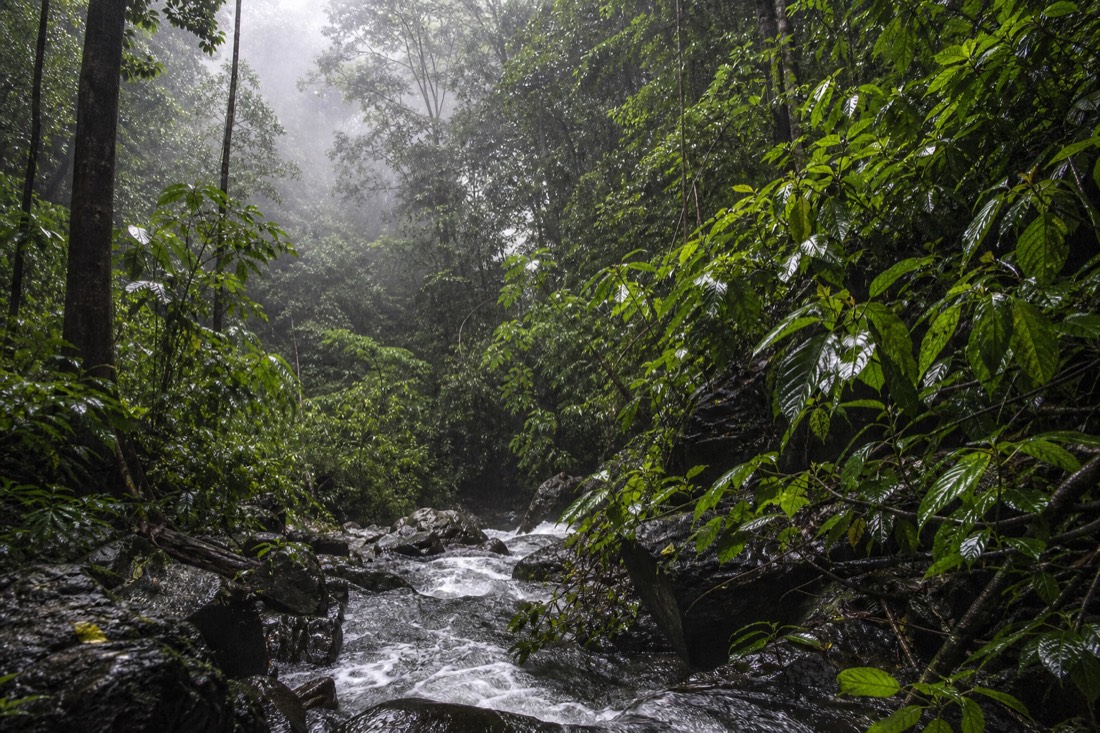
This is the one risk where you should defer to live, local information, because the season's exact start and end move with the conditions. Treat the warmer months as stinger season by default, read the signs at any beach, and take a full-body stinger suit seriously where operators recommend one. For current guidance on the season and swim safety, check Tourism Australia's Daintree guide and local surf-lifesaving advice before you get in.
Reef operators can provide equipment and a conditions briefing. On a Cape Tribulation reef snorkel adventure, participation and sites remain subject to operator and marine conditions, and neither swimming safety nor marine-life sightings are guaranteed.
Is The Drive To The Daintree Dangerous?
The main roads are sealed and 4WD is not required, but the road north of Port Douglas becomes increasingly narrow and winding after the cable ferry, and some sections need genuine attention. Careful daylight driving reduces but does not remove risks from fatigue, wildlife and the shape of the road. Never overtake on a blind bend.
Standard cars handle the whole main route from Cairns through Mossman to the ferry and on to Cape Tribulation; only the unsealed Bloomfield Track and private off-road terrain call for a 4WD. What catches people out is the shape of the road: tight curves, single-lane sections and animals crossing in the low light of dawn and dusk. Drive to the conditions and do not overtake where you cannot see.
The simplest way to avoid driving the route yourself is to use guided transport. On a full-day Cape Tribulation tour the driver handles the route, ferry travel and parking, which may suit a first visit if you would otherwise be tired at the wheel. Guided transport does not remove every road or weather risk.
What About Heat, Sun And Insects?
The tropical climate can be hot and humid, with showers possible throughout the year, so visitors should monitor conditions and their own response to heat. Carry water, use sun protection and insect repellent, and seek current health advice when personal circumstances require it. Do not assume insect bites are only a nuisance.
Heat is a risk people can underestimate. Humidity may make exertion harder than the temperature suggests, so pace yourself on walks, keep water on hand, use shade and stop if you feel unwell. Sunscreen, protective clothing, a hat and sunglasses reduce sun exposure but do not eliminate it.
Mosquitoes and sandflies can be more noticeable near water and in shaded areas. Use an effective repellent and covering clothing, and seek current health advice when your destination, health or personal circumstances require it. For a full kit list, see our notes on what to wear and pack for a Daintree tour.
No verified activity directly replaces preparation for heat, sun or insects. Use the packing guidance in this section, check current conditions and consider personal health needs before selecting an itinerary.
Is The Daintree Safe For Solo Travellers And Families?
Solo travellers and families can visit the Daintree, but suitability depends on the itinerary, traveller ages, health, mobility and transport arrangements. A guide can provide transport or interpretation, but cannot guarantee safety or remove environmental risks.
Solo travellers should plan transport, communications and return times, while families should check each activity's minimum age and physical requirements. Keep children well back from every water's edge and follow current signs and official advice. Swimming at Mossman Gorge is not recommended because of unpredictable currents and submerged hazards, and no waterhole should be called crocodile-free or safe based on clear or freshwater appearance.
The table below is the whole safety picture in one place: the real risks, when they apply, and the simple thing that manages each. Read it once, and the Daintree stops sounding frightening and starts sounding like what it is, a very old forest that asks for a little respect and gives a great deal back.
| Risk | When it applies | How it is managed |
|---|---|---|
| Saltwater crocodiles | Tropical waterways, including clear or fresh water, year-round | Do not enter or linger at the edge; water appearance does not establish safety; follow signs and current official advice |
| Marine stingers | Coast, warmer months (roughly Nov to May) | Check current advice, swim only where signed safe, wear a stinger suit |
| Winding roads | North of Port Douglas, past the ferry | Drive slowly in daylight, watch for wildlife, or take a guided tour |
| Heat and sun | Year-round, strongest midday | Water, SPF 50+, hat, sunglasses, pace yourself, use shade |
| Insects | Near water and in shade | DEET 30 to 50% repellent, cover up at dawn and dusk |
| Slippery trails | After rain, on boardwalks and tracks | Closed shoes with grip, watch your footing, stay on marked paths |
Weigh it all up and the practical verdict is that preparation matters. A guided trip listed by Daintree Rainforest Tours can simplify transport and provide interpretation, but it cannot guarantee safety or remove risks from water, weather, wildlife and the road. Follow current warnings and choose an itinerary suited to every traveller.