Is The Daintree Rainforest Worth Visiting?
The Daintree asks for a long drive, a ferry and a fair bit of your day, and plenty of visitors wonder whether it pays off. The honest answer is yes, with conditions. Here is what makes it worth the effort, what to keep your expectations realistic about, and how to come away glad you went.
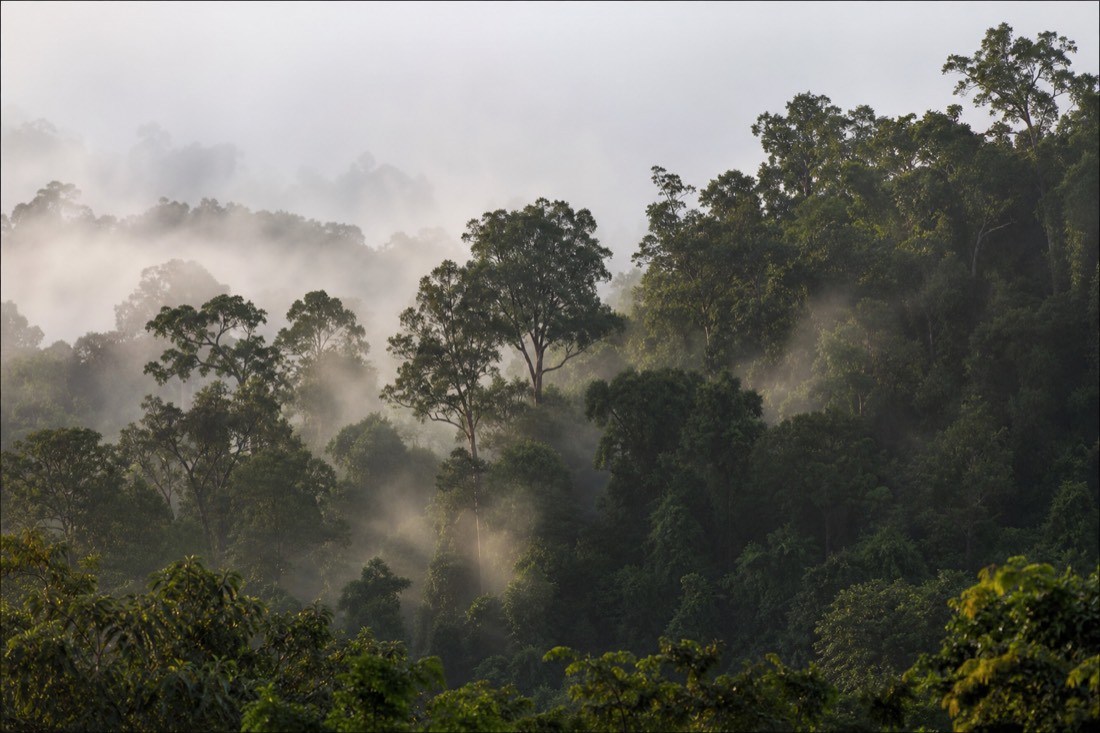
Somewhere on the winding road past Port Douglas, with another hour still to the ferry, most first-time visitors ask the quiet question: is this actually going to be worth it? It is a fair thing to wonder. The Daintree is not a quick stop, and the brochures oversell the wildlife. So here is a straight answer, with the caveats that make it true.
Booking Choice: For a broad first visit, start with the shared Daintree and Cape Tribulation day covering river cruise, ferry, rainforest and beach walks, lunch and transport from eligible pickup locations.
Check Dates For The Daintree And Cape Tribulation Day TourIs The Daintree Rainforest Worth Visiting?
Yes. The Daintree is the oldest surviving tropical rainforest on Earth, and the only coast where two World Heritage areas, rainforest and reef, run into each other. You can meet wild cassowaries and crocodiles, walk among plants that predate the dinosaurs, and snorkel a reef within half an hour of the trees. It is genuinely unlike anywhere else.
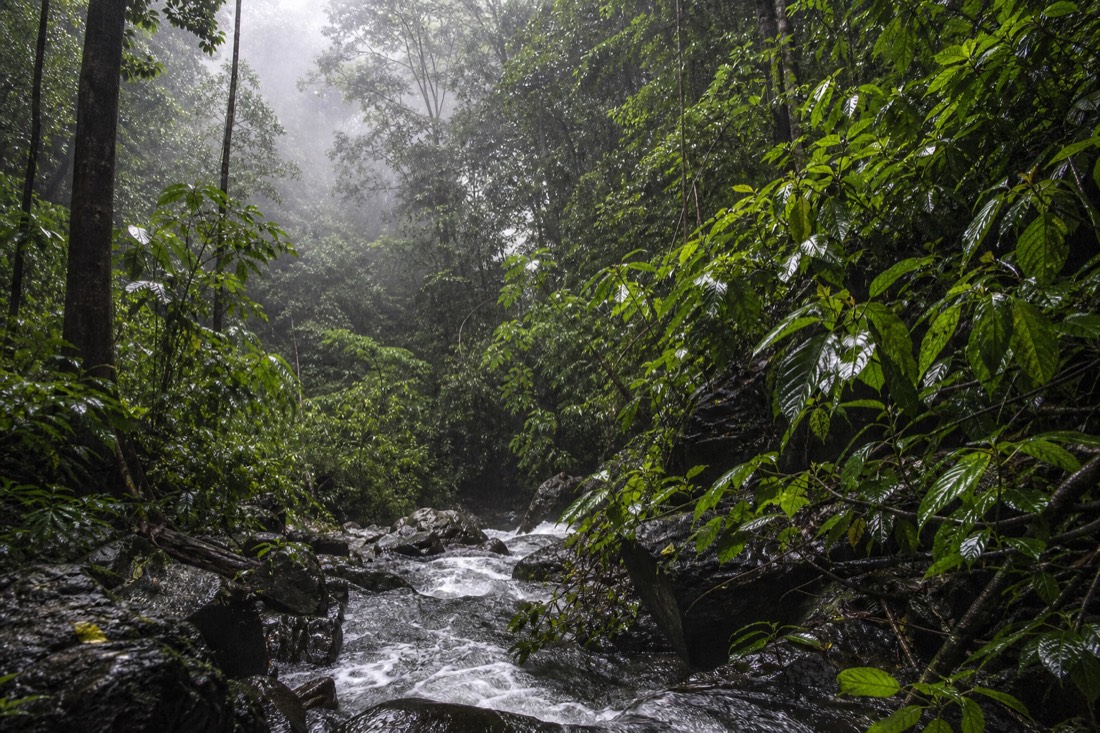
Strip away the marketing and what remains is still remarkable. This forest has been growing, in an unbroken line, for a span often put at over 180 million years, and it shows in the shape of the plants: fan palms, tree ferns, figs that cage their hosts. Add a coastline where you can stand with rainforest at your back and the Great Barrier Reef offshore, and you have a combination that exists in exactly one place.
What Makes The Daintree Unlike Anywhere Else?
Two things set it apart. First, its age and its plants: this is a living record of how vegetation evolved, thick with Gondwanan survivors found nowhere else. Second, its geography: at Cape Tribulation the rainforest meets the sea, the one shoreline on the planet where two natural World Heritage areas share an edge, the Wet Tropics and the reef.
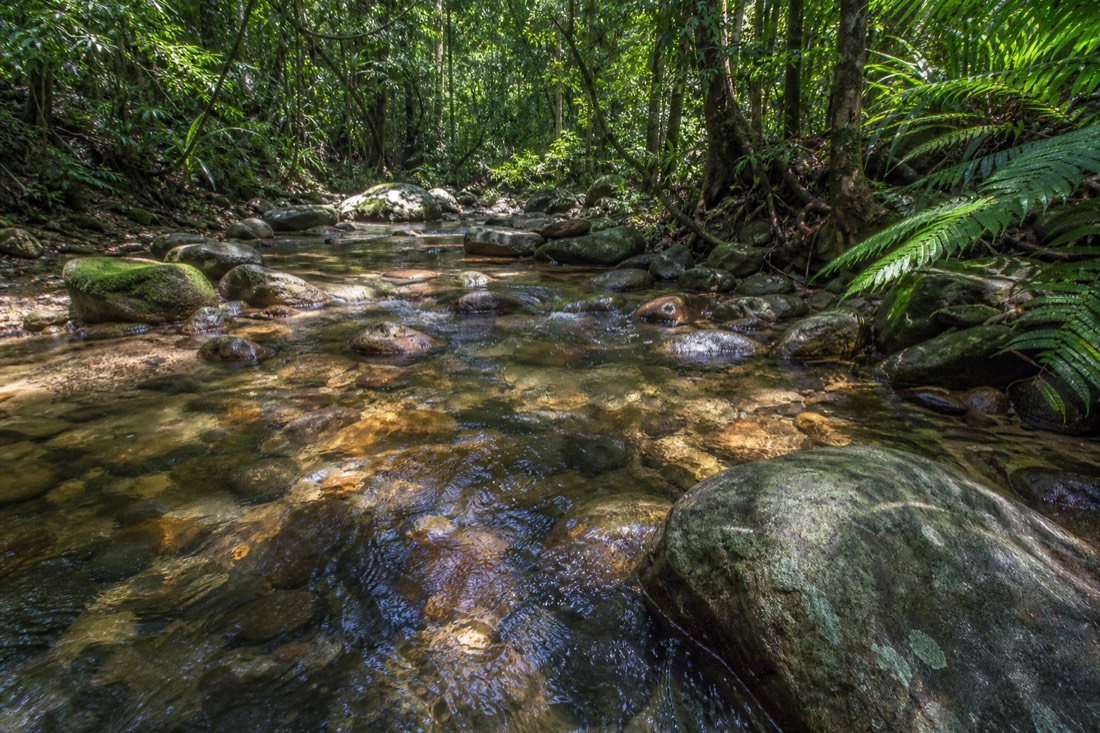
That meeting is not a slogan. You can walk a coastal boardwalk, cross a beach, and be looking at reef water, all inside a protected landscape recognised as part of the UNESCO World Heritage listing. Cook named the point in 1770 after his ship struck the reef offshore, which tells you how close the two worlds sit. For a slow traveller, that overlap is the whole reason to come.
| What you get | The reality |
|---|---|
| Age | The oldest surviving tropical rainforest on Earth |
| Setting | The only coast where rainforest and reef World Heritage areas meet |
| Wildlife | Wild cassowaries and crocodiles, so never guaranteed |
| Plants | Fan palms, tree ferns and figs older than the dinosaurs |
| Access | A long drive and a ferry, best with an early start |
What Should You Not Expect?
Manage a few expectations and you will not be disappointed. The Daintree is wild forest, not a theme park with shows and guaranteed animals. A day without a cassowary is normal. You cannot swim the river or laze on the open beach as you might elsewhere, because of crocodiles and stingers. And the drive is genuinely long, especially from Cairns.
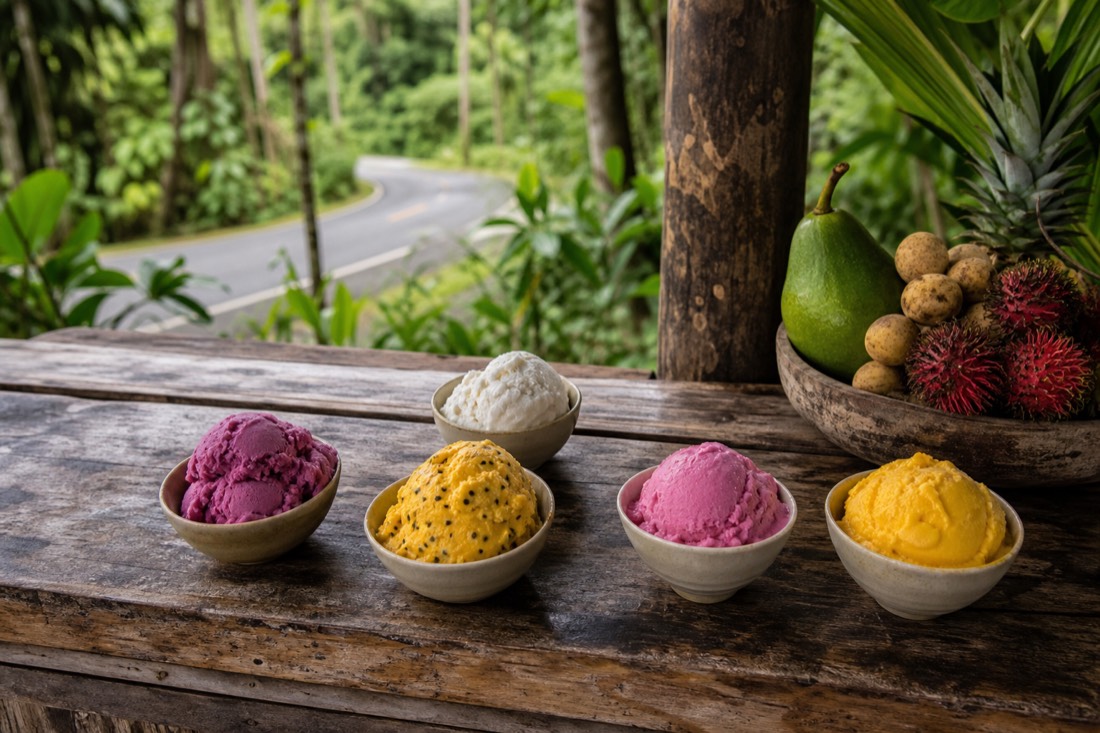
The single biggest cause of a flat visit is expecting a safari. Big animals are not lined up for you here, and honest operators will tell you so. The real star is the forest itself, ancient and dense and quietly astonishing, with wildlife as a bonus you earn by going early and looking hard. Reframe it that way and the place delivers. Turn up wanting a zoo and it will feel green and slow.
Water access is the other adjustment. The river and sea can present crocodile and other hazards, and clear, fresh or upstream water should never be assumed safe. Queensland Parks and Wildlife Service does not recommend swimming at Mossman Gorge because of unpredictable currents and submerged hazards.
Who Might Skip The Daintree, Or Prefer Kuranda?
The Daintree is not for everyone. If you have only half a day, dislike long drives, need step-free access throughout, or want a canopy experience with train and cableway comfort, Kuranda in the hills behind Cairns may suit you better. It packs rainforest, a scenic railway and a skyway into a shorter, easier outing much closer to the city.
There is no shame in that choice. Kuranda is a genuine rainforest, well set up, and a strong option for a tight schedule or mixed mobility in a group. The Daintree rewards effort and time, and if you cannot give it either, the day can feel like a lot of driving for a walk in the trees. We lay out the trade-offs in full in our comparison of the Daintree versus Kuranda, so you can pick the one that fits.
How Do You Get The Most Out Of A Daintree Visit?
Start early or, better, stay a night. Take a guided walk or a river cruise so the forest is explained rather than just walked through. Mix Mossman Gorge walks, the river and the coast rather than seeing one stop. Do not plan on swimming at Mossman Gorge, and never assume clear, fresh or upstream water is safe. Do those things and the Daintree shifts from a long day out to a highlight of the trip.
A guided day of the sort that Daintree Rainforest Tours puts together removes the two biggest frustrations, the driving and the timing, and hands the interpretation to someone who knows the forest. If you are weighing up a single day against two, our take on how many days you need in the Daintree will help, and the best time of year to visit makes sure the weather works with you rather than against you.
| Do this | Rather than |
|---|---|
| Start early or stay overnight | Squeezing it into a late day trip |
| Take a guided walk or cruise | Driving past green you cannot read |
| Mix gorge, river and coast | Seeing only one stop |
| Follow current site and operator water-access advice | Assuming fresh, clear or upstream water is safe |
Where you spend your hours matters as much as how many you have. The gentle way in is the Mossman Gorge walks, and the small-group trips from Port Douglas add cultural depth and Noah Valley. For the reef-meets-rainforest payoff, an ocean safari to the outer reef off Cape Tribulation is the experience people come home talking about. Pick a couple of those, go early, and the answer to the question you asked on the road turns out to be an easy yes.