Great Barrier Reef From Cape Tribulation: Snorkelling Where Reef Meets Rainforest
The Great Barrier Reef and the Daintree Rainforest are two separate World Heritage areas, and at Cape Tribulation they meet along the same coast. A 4.5-hour ocean safari uses a rigid inflatable boat to visit two snorkeling sites, so you can experience the reef with the rainforest coast behind you. Here is how it works.
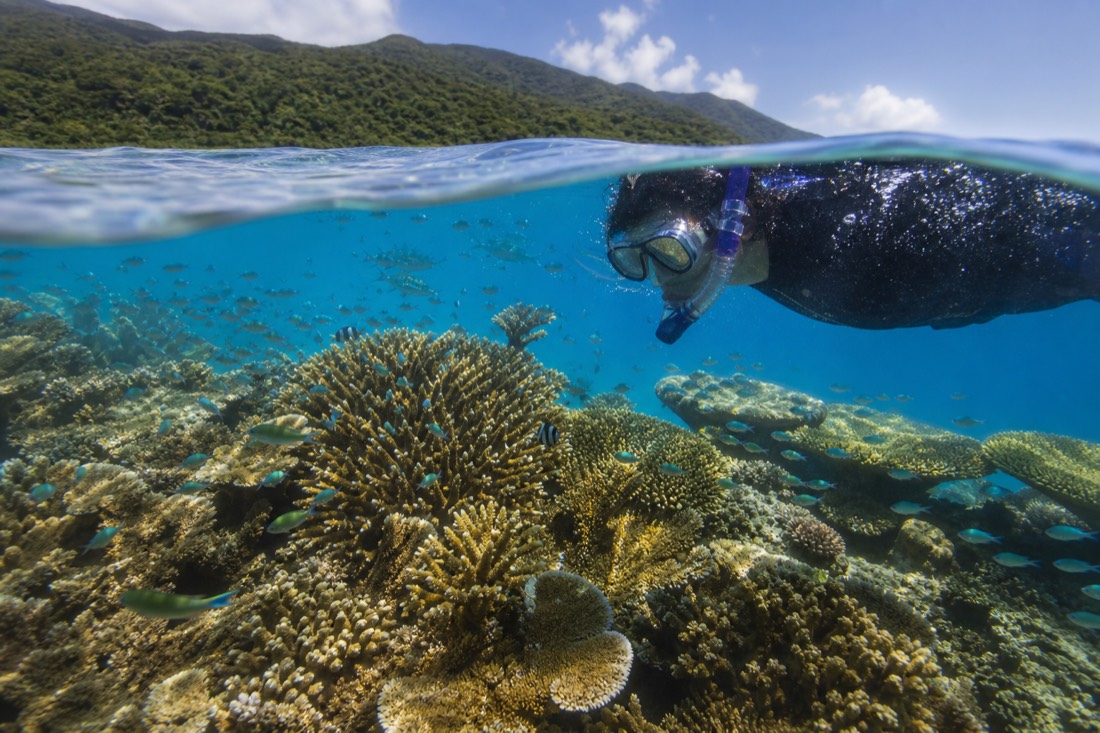
Most people who snorkel the Great Barrier Reef do it from a large boat that leaves a marina in Cairns or Port Douglas and motors ninety minutes to a pontoon. That works. But there is a smaller, wilder version of the same day, and it starts on a rainforest beach where the trees run down to the sand.
Booking Choice: For reef snorkeling from Cape Tribulation, start with the 4.5-hour local trip: it includes two reef sites, equipment, a wetsuit or sunsuit, fees, fruit and reef interpretation.
Check Dates For The Cape Tribulation Reef Snorkeling TripFrom Cape Tribulation, the Ocean Safari uses a rigid inflatable boat to visit two Great Barrier Reef snorkeling sites selected for current conditions. You board with fan palms behind you and the Coral Sea in front. This guide walks through the ocean safari that makes it possible, what you may see underwater, how conditions and marine-stinger guidance affect planning, and how this 4.5-hour trip compares with the big outer-reef runs further south.
At a glance: the Cape Tribulation reef format
| Check-in | Ocean Safari office inside Turtle Rock Cafe, unless a Cape Tribulation accommodation transfer is reconfirmed |
|---|---|
| Trip length | About 4.5 hours |
| Boat and activity | Rigid inflatable boat with snorkeling at two sites selected for current conditions |
| Southern transfers | No Cairns or Port Douglas transfer included |
Weather, tides and marine conditions can affect the selected sites and participation.
Can You Snorkel The Great Barrier Reef From Cape Tribulation?
Yes. A 4.5-hour ocean safari checks in locally at Cape Tribulation and travels by rigid inflatable boat to two snorkeling sites at Mackay Reef, subject to weather, tides and current marine conditions. The rainforest-backed coast is what gives this departure its distinctive setting.

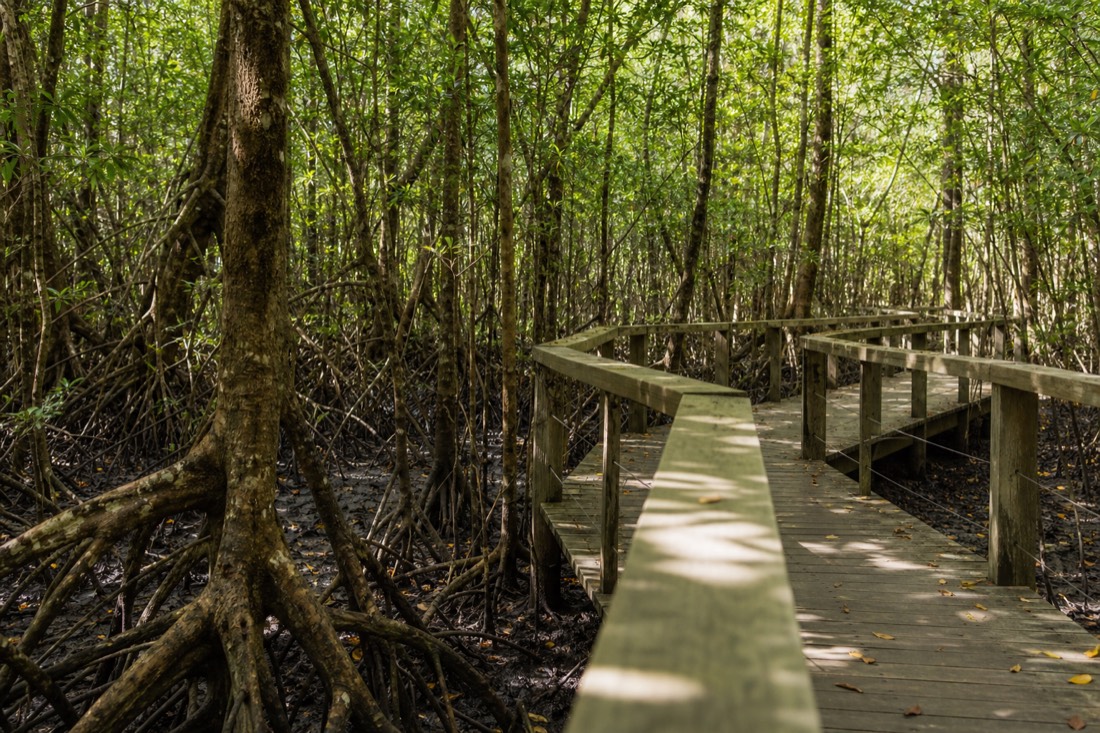
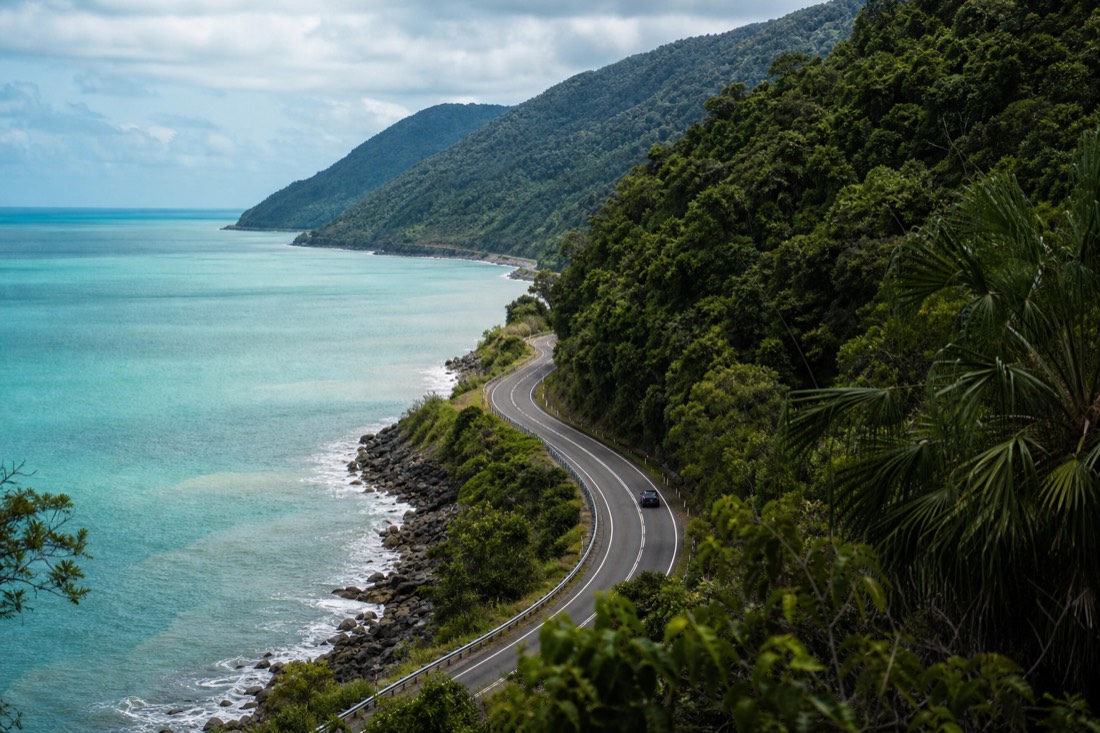
The reason this is possible at all is geography. Cape Tribulation places rainforest coastline and access to Great Barrier Reef snorkeling within the same local itinerary. The forest belongs to the Wet Tropics of Queensland World Heritage Area; the water belongs to the Great Barrier Reef Marine Park. Standing at Cape Tribulation, you are looking at both at once, and the ocean safari is the way to get into the second one. Because the departure is from Cape Tribulation rather than a Cairns or Port Douglas marina, the trip uses a different local, rigid-inflatable format from a large pontoon excursion.
What Makes Snorkelling Here Different From Cairns Or Port Douglas?
The difference is boat format, facilities and setting. The Cape Tribulation trip is a shared rigid-inflatable outing with a beach departure and two snorkeling sites. Many Cairns and Port Douglas reef trips use larger boats or pontoons with more onboard facilities.
Neither is better in the abstract; they suit different travellers. The big-boat runs give you stability, food service, glass-bottom boats and sometimes an underwater observatory, which is a genuinely good choice for families and nervous swimmers. The Cape trip trades those pontoon-style facilities for a local beach departure, rigid-inflatable boat travel and snorkeling at two sites selected for current conditions. If you are already coming up to Cape Tribulation for the rainforest, doing the reef from here saves you a separate day driving back down to a Cairns marina.
The smaller-boat format can feel more direct than a pontoon day, but the two formats serve different preferences. Ocean Safari focuses on fast-boat travel and open-water snorkeling. Quicksilver from Port Douglas adds a pontoon, semi-submarine viewing and an underwater observatory. Boat size alone does not establish reef quality or wildlife sightings.
What Exactly Is The Cape Tribulation Ocean Safari?
The ocean safari is a 4.5-hour shared snorkeling trip from Cape Tribulation. A rigid inflatable boat visits two reef sites, with snorkeling equipment, a wetsuit or sunsuit, fees, fruit and reef interpretation included. Courtesy transfers apply only to Cape Tribulation accommodation and require reconfirmation; otherwise guests meet locally.
Because it is a rigid-inflatable rather than a large catamaran, the ride is quick and a little bouncy, which is part of the appeal and also part of the reason it does not suit everyone. You check in near the beach, get fitted for snorkel gear and a wetsuit or stinger suit as needed, and the crew talks you through the reef, the marine life and the safety rules before you get in. The listing describes a shared trip, but the current listing does not state a group cap. You can hold a place on the Cape Tribulation ocean safari once your dates are set, and the current price is on the live listing rather than fixed here.
| Detail | What to expect |
|---|---|
| Departure point | Ocean Safari office inside Turtle Rock Cafe; reconfirmed courtesy transfers are limited to Cape Tribulation accommodation |
| Reef sites | Two snorkeling sites selected according to weather, tides and current marine conditions |
| Boat | Rigid inflatable boat with a beach departure |
| Trip length | About 4.5 hours |
| Format | Shared snorkeling trip |
| Transfers | No Cairns or Port Douglas transfer |
| Included | Snorkeling equipment, wetsuit or sunsuit, fees, fruit and reef interpretation |
| Suitability limits | Listed ages 0 to 75; children need an accompanying adult. Not recommended for pregnancy, spinal injuries or poor cardiovascular health. Open-water snorkeling and fast-boat boarding are involved. |
How Do You Get To The Cape Tribulation Ocean Safari?
You must reach Cape Tribulation independently unless a courtesy transfer from Cape Tribulation accommodation is reconfirmed. Check-in is at the Ocean Safari office inside Turtle Rock Cafe, and no Cairns or Port Douglas transfer is included. Travelers driving from the south must also account for the Daintree River ferry and current road conditions.
This is the one piece of logistics to plan around. Because the boat leaves from the Cape and not a Cairns marina, you need to be at Cape Tribulation in time for a morning slot, which in practice means either staying a night up north or setting out very early. Plenty of people fold the reef trip into a night or two at an eco lodge near the Cape, which turns a long day behind the wheel into a short walk to the boat. Our guide to driving up from Cairns and crossing the ferry lays out the route, the queues and the timing in full.
The cable ferry crossing takes only a few minutes, though queues add time. From 1 July 2026, the standard car fare is A$35 one way or A$57 return. Online QR tickets are available; confirm current service notices and top up fuel before heading north. Ocean Safari’s included accommodation pickup is limited to Cape Tribulation, so visitors staying farther south must arrange the journey to the local departure.
| Starting point | Drive to Cape Tribulation | Reef trip note |
|---|---|---|
| Cairns | About 2 to 2.5 hours, plus the ferry | Early start or an overnight needed |
| Port Douglas | About 1.5 hours, plus the ferry | Closer base, still an early start |
| Staying near the Cape | A short drive to the beach | The relaxed way to make a morning slot |
What Is The Boat Ride Out To The Reef Like?
The trip uses a fast rigid inflatable boat with a beach departure, so passengers should expect to feel the sea more than they would on a large catamaran. The outing involves open-water snorkeling, and participation depends on the operator and current marine conditions.
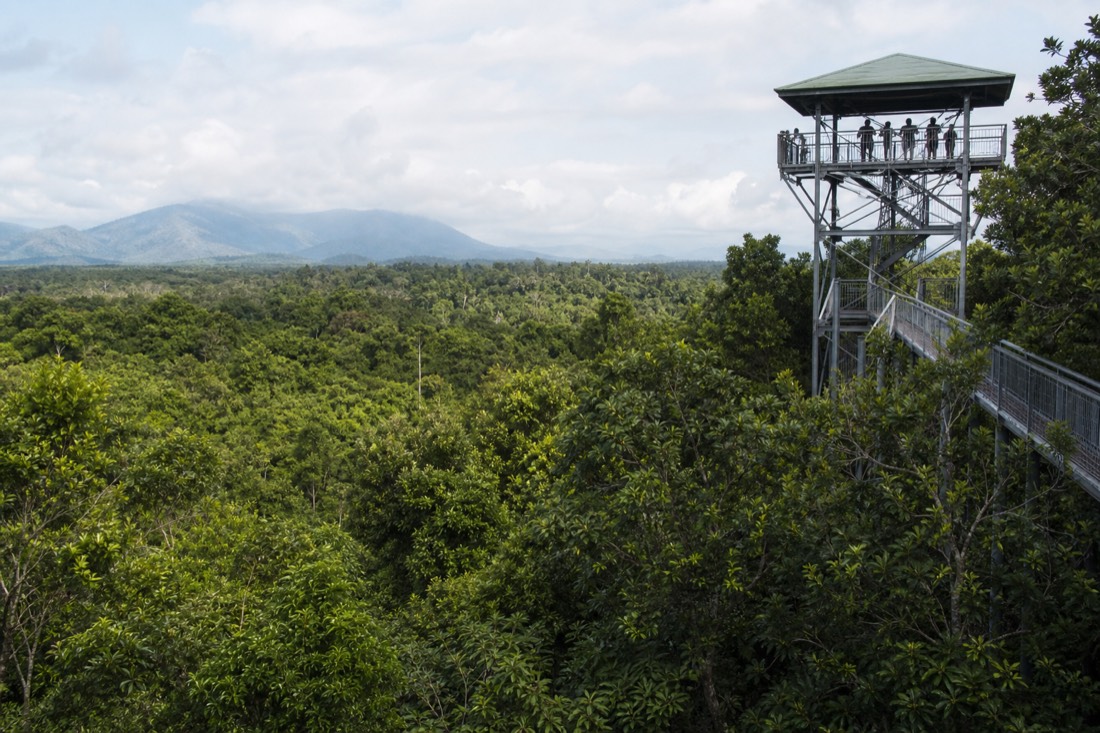
This is not a slow, stable catamaran with a shaded deck and a coffee counter. It is a small, fast boat, and you feel the sea. The forested coast remains part of the view as the boat heads offshore, but wind, visibility and sea state can change on any departure. Select a date without treating a particular slot as a promise of glassy water. The crew brief you on where to sit and how to brace before you leave the beach.
Because of the fast-boat and open-water format, the safari is not recommended during pregnancy or for travelers with spinal injuries or poor cardiovascular health. Travelers should also be comfortable with open-water snorkeling, and wheelchair or step-free access is not established. Nobody expects athletic ability, just comfort in the sea and the ability to hold your own while snorkelling. Seasickness is worth planning for if you are prone to it: take something well before you board rather than once you are out on the water. If you would rather understand the wider safety picture before you commit, from the sea to the forest, our guide to how safe the region is covers it honestly.
The outing runs about 4.5 hours and includes boat travel and snorkeling at two reef sites. That is the total excursion time, not four and a half hours in the water. Conditions determine the day’s operation, and guests should confirm the required swimming ability before booking.
What Will You Actually See Underwater?
The trip provides snorkeling at two Great Barrier Reef sites, where coral, reef fish, clams, turtles, rays and other marine life may be encountered. Conditions and wildlife vary naturally, so no species, sighting frequency or reef condition is guaranteed.
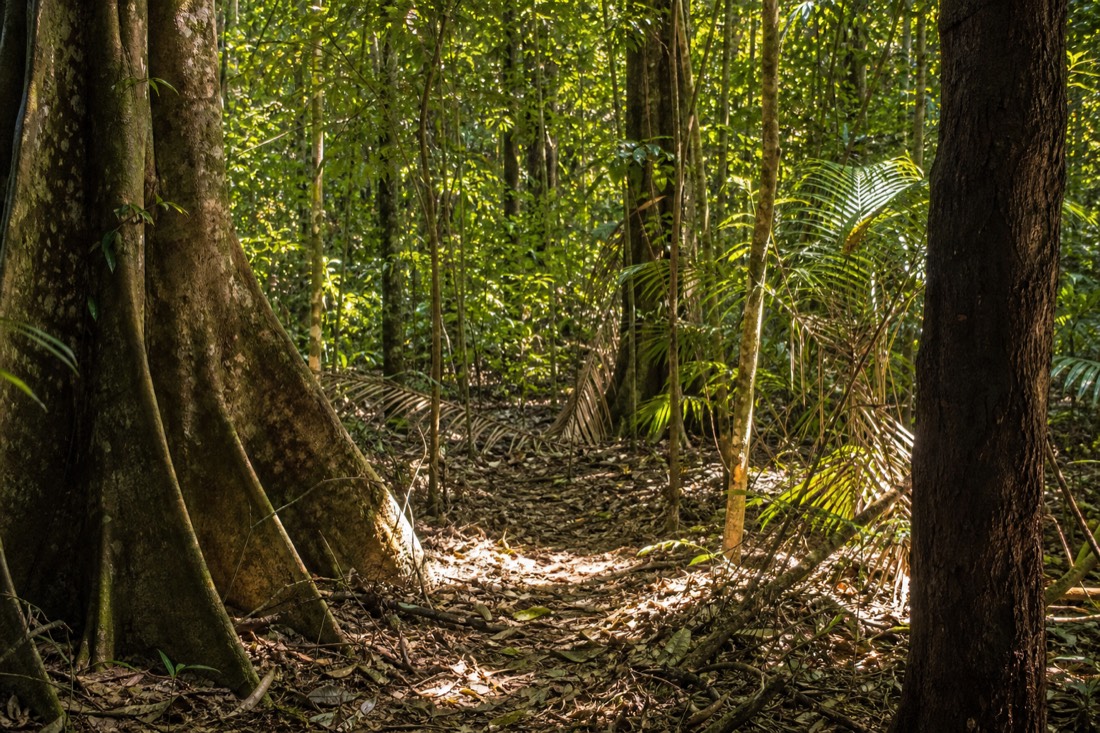
These Great Barrier Reef sites can provide opportunities to observe coral, fish, clams, turtles, rays and other marine life, but conditions and encounters change from trip to trip. Do not treat any wildlife as harmless or approach it based on a general description; follow the crew's instructions during encounters. Reef interpretation is included, but sightings are not guaranteed.
The coral itself deserves more attention than most snorkellers give it. Branching staghorn grows in dense thickets that shelter juvenile fish; boulder corals build slowly into domes centuries old; plate corals fan out to catch the light in the shallows. Between them sit soft corals that sway with the surge, sea cucumbers working the sand, and the occasional giant clam clamped into a crevice. Take a slow breath, hang still at the surface, and the reef gets busier the longer you watch, which is the opposite of how a rushed pontoon stop tends to go.
| Marine life | How likely on a trip |
|---|---|
| Coral and reef habitats | Viewed at two sites selected for current conditions |
| Reef interpretation | Included |
| Fish, clams, turtles, rays and other wildlife | Possible natural encounters; no species or sighting frequency is guaranteed |
If wildlife is the reason you are coming to Far North Queensland, the reef is only half of it. The forest side of the ledger, cassowaries, tree kangaroos, crocodiles and more, is covered in our guide to the region's rainforest wildlife, and it makes a strong case for pairing the two.
When Are Conditions Best For Snorkelling From Cape Tribulation?
Mornings and the drier months are commonly used as a planning window, but snorkeling conditions still vary with wind, weather, tides and sea state. The operator selects sites according to current conditions, so no month or departure time guarantees calm water or clear visibility.
Wind, weather, tides and sea state all affect day-to-day conditions. Earlier departures can still encounter changing visibility and rough water, and no departure should be described as filling first without live inventory evidence. Drier months may offer a useful planning window, while heavy rain can affect visibility, but conditions are never reliably calm or clear. If your dates are flexible, the same logic that governs the whole region applies here, and it is worth reading up on the driest, clearest months before you book.
| Season | Water and conditions | Verdict for snorkelling |
|---|---|---|
| Drier months | Often used as a planning window, but wind, tides and sea state still vary | Check the selected date and current conditions |
| Wetter months | Warm conditions and heavy rain can occur; visibility may change after rainfall | Allow flexibility and follow operator decisions |
| Any departure | Calm water, visibility and site access are not guaranteed | The operator selects sites for current marine conditions |
What About Marine Stingers And Stinger Suits?
Marine-stinger conditions and guidance can change, so check current Surf Life Saving Queensland and Queensland Health advice for your travel date and follow the operator's instructions. The verified trip inclusion is a wetsuit or sunsuit, not an unconditional promise of a particular stinger suit.
Protective clothing can reduce exposure but must not be treated as proof that the water is safe. Marine-stinger risk and operator procedures can change, so use current Surf Life Saving Queensland and Queensland Health guidance and follow the crew's instructions. Confirm whether the listed wetsuit or sunsuit meets the date-specific requirements before travel.
Snorkeling equipment and a wetsuit or sunsuit are included. Confirm date-specific protective equipment with the operator and bring the listed personal items, including swimwear, a towel, a hat and suitable warm layers.
How Does It Compare To The Outer Reef Trips From Cairns And Port Douglas?
Cape Tribulation gives you a local 4.5-hour rigid-inflatable trip with snorkeling at two sites and the rainforest coast behind you. Cairns and Port Douglas may suit travelers seeking larger boats, pontoons, additional facilities or diving. Your preferred boat format, activity and travel base should decide.
The honest way to choose is to ask what the rest of your trip looks like. If you are already spending a day or more up at Cape Tribulation for the forest, the reef from here is the efficient, atmospheric choice, and it keeps you out of a second long drive. If your base is a Cairns or Port Douglas hotel and you are not heading north anyway, a marina departure makes more sense logistically. Where you stay shapes this a lot, and we weigh it up in our guide to choosing between Cairns and Port Douglas as your base.
| Feature | From Cape Tribulation | From Cairns or Port Douglas |
|---|---|---|
| Departure point | Rainforest beach at the Cape | City or town marina |
| Trip structure | About 4.5 hours with two snorkeling sites | Varies by the selected marina product |
| Boat | Fast rigid inflatable on a shared trip | Often a larger catamaran or pontoon-style operation |
| Site conditions | Sites selected for current marine conditions | Sites and conditions vary by operator and date |
| Facilities | Basic, focused on snorkelling | More, including food and sometimes diving |
| Setting | Reef meets rainforest, unmatched | Open sea, city skyline behind |
| Best for | Quiet, wild, reef-and-forest days | Comfort, families, add-on activities |
The two-day Daintree package can combine rainforest and reef activities when its selected booking option explicitly includes snorkeling. It includes one Safari Lodge night; compare the room type, age rules and activity option before booking.
Who Is The Cape Tribulation Reef Trip Best For?
The ocean safari suits travelers comfortable with a fast rigid-inflatable boat and open-water snorkeling at two reef sites. It is not recommended during pregnancy or for spinal injuries or poor cardiovascular health, and wheelchair or step-free access is not established. It is snorkeling-focused, not a scuba-diving trip.
You do not need to be an athlete, but you should be comfortable in open water and able to swim, since the reef sites are offshore and the boat is small. Families with older children who can snorkel do well. Younger children and nervous or non-swimmers may prefer rainforest boardwalks and beach viewpoints, or a separately verified larger-vessel reef product with appropriate support. Do not use freshwater appearance or location as evidence that swimming is safe. One honest note for divers: this is a snorkel trip, not a scuba one, so anyone hoping for depth and bottom time will want a dedicated dive boat from Cairns or Port Douglas, while snorkellers get the full reward here. If you are still weighing whether the whole northern run earns its place in your itinerary, our take on whether the trip is worth it is a good gut-check.
| Traveller | Is the Cape reef safari a fit? |
|---|---|
| Travelers comfortable in open water | Potential fit, subject to operator and marine conditions |
| Listed age range | 0 to 75; children must be accompanied by an adult, and infant seating does not establish snorkeling suitability |
| Nervous or non-swimmers | Compare the Quicksilver Port Douglas pontoon cruise, with semi-submarine viewing and an underwater observatory; confirm boarding and individual access needs |
| Pregnancy | Not recommended |
| Spinal injuries or poor cardiovascular health | Not recommended |
| Wheelchair or step-free access | Not established |
| Scuba divers | This is a snorkeling trip, not a scuba-diving product |
What Should You Bring, And How Do You Combine The Reef With The Rainforest?
Bring swimwear, a towel, a hat and suitable warm layers, and confirm any additional requirements with the operator. Depending on the selected departure and current conditions, the 4.5-hour reef trip may leave time for a rainforest boardwalk or beach visit on the same day.
The trips grouped under Daintree Rainforest Tours are built around exactly this pairing, and the reef-and-forest combination is what makes a Cape day feel like two holidays at once. A possible itinerary pairs the 4.5-hour Ocean Safari with a separate boardwalk or beach visit, but the order depends on the selected departure, road and ferry timing, and current marine conditions. For the land side in full, our complete Cape Tribulation guide covers the beaches, walks and timing, and The full-day Cape Tribulation tour includes listed road transport, the ferry and rainforest activities, but it does not include the Ocean Safari or serve as a reef-trip transfer. The question of whether both really fit into one day is one we answer directly, and you can see the reef and the rainforest in one day if you plan it right.
| Time of day | What you do |
|---|---|
| Before departure | Check in at the Ocean Safari office inside Turtle Rock Cafe unless a Cape Tribulation transfer is reconfirmed |
| Reef trip | Allow about 4.5 hours for boat travel and snorkeling at two condition-dependent sites |
| Separate land activity | Add a rainforest boardwalk or beach visit only if the selected schedule, road timing and conditions allow |
| Return travel | Allow for the Daintree River ferry and current road conditions when driving south |