Where To Stay: Daintree And Cape Tribulation Lodges, Camping And Port Douglas
Where you sleep in the Daintree decides how much of each day you spend driving and how much you spend in the forest. This guide compares Cairns and Port Douglas as day-trip bases against staying north of the river, from eco lodges and cabins to camping, with honest notes on off-grid power and the cable ferry.
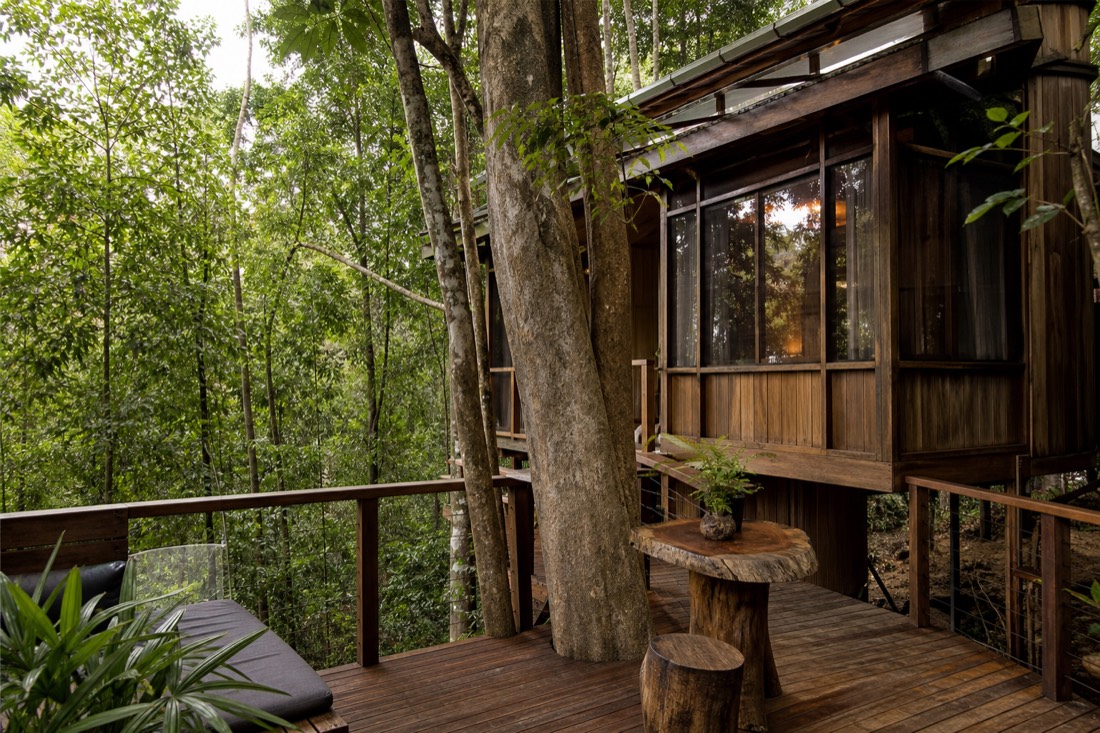
Cross the Daintree River on the cable ferry late in the afternoon and the forest changes. The coaches have turned for home, the last day tour is somewhere back down the Captain Cook Highway, and the road north goes quiet in a way it never manages at midday. Where you choose to sleep decides whether that hour is yours.
Booking Choice: As an escorted alternative, the shared two-day Cairns-area tour includes one Safari Lodge night. It is for ages 18–90, requires moderate fitness, and excludes dinner and Day 2 meals.
Check Dates For The Two-Day Daintree And Cape Tribulation TourSo the honest first question is not which lodge to pick. It is whether to stay in the forest at all. Plenty of people see the Daintree beautifully on one long day from Cairns or Port Douglas, then drive back for a proper bed and dinner in town. Others want the early cassowary walk and the frog chorus after dark, and that means being north of the river when the ferry stops for the night. This guide lays out both, base by base, and it does not sell you a room.
At a glance: how much driving each base saves
Approximate one-way driving time to Cape Tribulation from each base. The closer you sleep, the less of each day you spend in the car.
Should You Day-trip The Daintree Or Stay Overnight?
Both work. A single full day from Port Douglas or Cairns covers the headline sights, and most visitors do exactly that. Staying at least one night north of the river adds the quiet the day tours never reach: dawn walks, nocturnal wildlife and unhurried beach time. Keep back from the waterline at beaches and follow current local warnings. One night is a genuine upgrade, two nights is ideal.
The full-day trips listed by Daintree Rainforest Tours cover Mossman Gorge, the river and Cape Tribulation in a single run, which is exactly why your base matters. The closer you sleep to the start line, the less of that day disappears into the drive. From Cairns you can lose four or five hours to the road alone. From Port Douglas you claw most of that back.
Staying over changes the character of the visit rather than just its length. After the tour buses leave, cassowaries wander the verges more freely, and the forest at night has its own cast: possums, frogs, stick insects and a wall of sound. If you are weighing how many nights the forest deserves, the short version is that one night earns its keep and two rarely feels like too much. And if you are still deciding whether the trip earns the drive at all, an overnight is the version most people wish they had booked.
Where Is The Most Comfortable Base Close To The Daintree?
Port Douglas is the most comfortable base near the rainforest. It sits about an hour north of Cairns, roughly 30 to 40 minutes from the Mossman Gorge entrance, with a resort town's spread of restaurants and rooms. Choosing it over Cairns saves close to 45 minutes of driving each way on a tour day.
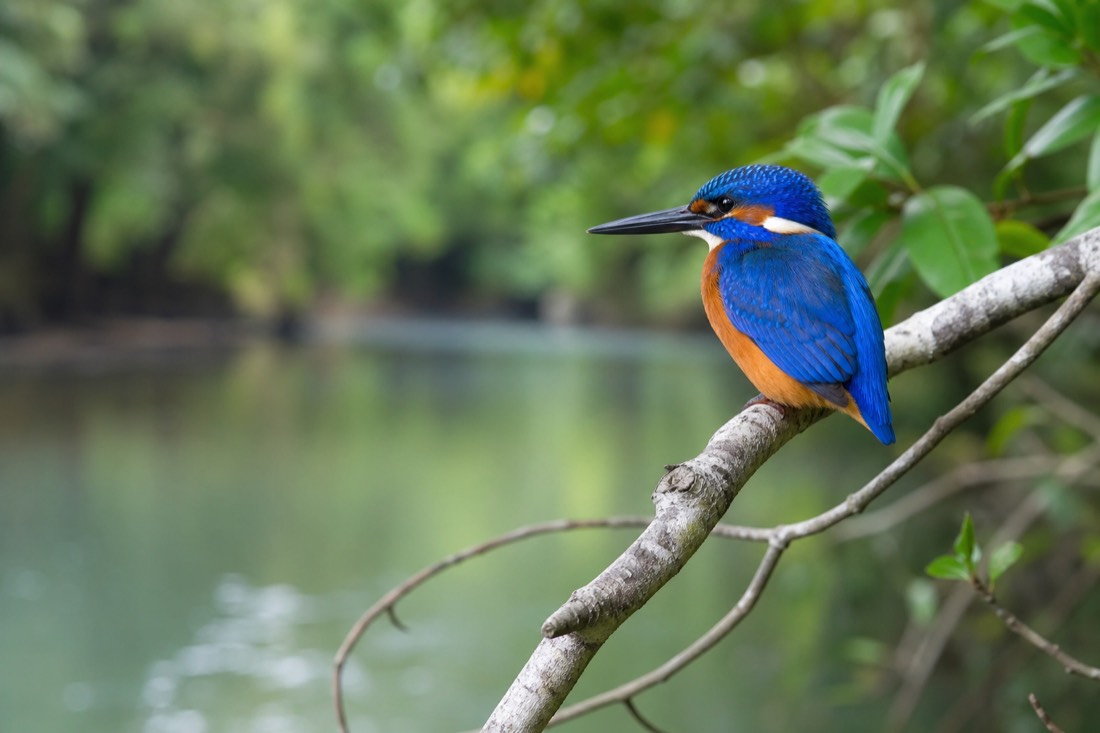
Port Douglas is still south of the Daintree River, so it is a launch pad rather than a forest stay, but it is the practical winner for a day-tripper. Four Mile Beach, a walkable main street and a marina give you somewhere to land in the evening, and most guided pickups run from town. The small-group tour from Port Douglas collects from here directly.
Cairns earns its place for a different reason. It has the airport, the widest choice of beds and the cheapest ones, plus every flight connection. If your Daintree day is bracketed by early or late flights, the extra driving can be worth swallowing. For a fuller weighing of the two, see the case for each departure base, and Tourism Australia's Daintree guide is a useful orientation to the wider region.
Which Areas Can You Actually Stay In?
Five areas cover almost every Daintree stay: Cairns and Port Douglas south of the river, then Daintree Village, Cow Bay and Cape Tribulation to the north. The two towns are comfortable bases with plenty of rooms. The three forest areas trade comfort for waking up inside the World Heritage rainforest itself.
The split that matters runs along the river. South of the ferry you get towns, mains power and easy logistics. North of it you get the forest, and everything that comes with being off the grid. Here is how the areas line up.
| Area | Where it sits | Feel | Closest sights | Best for |
|---|---|---|---|---|
| Cairns | Roughly 100 to 140 km south of the park | Full city, airport, most rooms and flights | Nothing in the forest is close | Flights, a big-city base, cheaper beds |
| Port Douglas | About an hour north of Cairns, still south of the river | Resort town, beach, restaurants | Mossman Gorge, 30 to 40 min away | The comfortable day-trip base |
| Daintree Village | South of the ferry, on the upper river | Tiny village, river focus | River cruises on the doorstep | Early wildlife cruises, quiet stays |
| Cow Bay | Just north of the ferry | Off-grid rainforest, a few beaches | The first forest area past the crossing | A calmer forest base near the coast |
| Cape Tribulation | End of the sealed road | Deep rainforest meeting the sea | Beaches, boardwalks, reef trips | Full immersion, dawn and dusk wildlife |
Daintree Village is the quiet outlier. It sits south of the ferry on the upper river, built around the morning cruises rather than the coast. If a slow wildlife cruise is your priority, it puts you on the water first, before the day trips arrive. It also keeps you on the mains-power side of the river, which suits travellers who want the wildlife without the full off-grid experience of a stay north of the crossing.
What Does Staying North Of The Daintree Ferry Mean?
North of the ferry you are inside the rainforest, not beside it. The cable ferry is the only vehicle crossing and it stops at night, so the area has no through-traffic after hours. Power is often solar or generator, mobile signal is patchy, and the payoff is a forest that empties once the day tours leave.

The crossing itself is simple. A cable ferry pulls vehicles over the river on a set timetable, and it carries a small vehicle and passenger fee paid at the ferry. That fee changes periodically, so check the current Douglas Shire rate rather than trusting an old number; how the ferry fee is charged is covered separately. The mechanics of driving up and crossing the cable ferry are worth reading before a self-drive.
Once you are across, the sealed road runs to Cape Tribulation and stops. Beyond that, the Bloomfield Track is four-wheel-drive only. This dead-end quality is the whole appeal: after the ferry closes for the night, the forest belongs to the people staying in it. That is when the wildlife you can spot at dawn is easiest, cassowaries included, which is why first-timers are so often nudged toward at least one night up north. The area sits within the Wet Tropics of Queensland World Heritage listing, and that protection shapes what can and cannot be built here.
What Kinds Of Lodging Sit North Of The River?
North of the river the choice runs from eco lodges and self-contained cabins to backpacker jungle lodges and campgrounds. There are no big-brand resorts and no high-rises; planning rules and off-grid power keep everything low-key. You pick by comfort level and how self-sufficient you are willing to be.

Rooms up here are defined by what they do without as much as what they offer. Air-conditioning is not a given, televisions are rare, and many places run on solar with generator backup. That is a feature, not a fault. The quiet is the product.
| Type | What to expect | Power and comfort | Suits |
|---|---|---|---|
| Eco lodge or rainforest retreat | Cabins or villas built into the canopy, decks, sometimes a restaurant | Often solar or generator, limited air-con, no TV | Couples, a quiet splurge |
| Self-contained cabin or house | A kitchen, more space, groceries brought in | Varies; check power and fridge before booking | Families, longer stays, self-catering |
| Backpacker or jungle lodge | Dorms or basic private rooms, shared kitchen, social | Basic and off-grid, some cold-water setups | Solo travellers, budgets, younger crowds |
| Camping | Tent or camper at a national park or private park site | Bring your own; some parks add amenities | Self-sufficient travellers, road-trippers |
One practical note for families and longer stays: a cabin with a kitchen changes the trip, because groceries past the ferry are limited and expensive. Stock up in Mossman or Port Douglas on the way through and you remove most of the friction of an off-grid stay.
For a lodge, cabin, holiday house or backpacker room without a tour, arrange accommodation separately. A locally departing activity does not reserve a bed.
Can You Camp In The Daintree?
Yes. You can camp inside the national park at designated campgrounds such as Noah Beach near Cape Tribulation, and at private caravan and camping parks north of the ferry. National park sites need a permit booked through Queensland Parks and Wildlife, and the wet season brings closures, so check current dates and fees before you commit.
Camping is the closest you get to sleeping in the forest for the least money, and Noah Beach is the classic choice, tucked behind the dunes a short way south of Cape Tribulation. It is basic by design. Private parks give you more: showers, some powered sites, and a friendlier setup for families who want to camp without going fully self-sufficient.
| Option | Where | How to book | Notes |
|---|---|---|---|
| National park campground (e.g. Noah Beach) | Inside the park, close to the beach near Cape Tribulation | Permit through Queensland Parks and Wildlife | Book ahead; wet-season closures; confirm current fees and dates |
| Private caravan or camping park | North of the ferry around Cow Bay and Cape Trib | Directly with the park | More amenities, powered sites, family-friendly |
| Camper hire from Cairns | Pick up in Cairns, drive up and cross the ferry | With the hire company | The ferry takes vehicles; check your agreement before any unsealed road |
Two cautions. First, permits and fees for the national park move around, and the wet season, roughly November to April, can close low-lying sites, so treat any figure you read online as a starting point and confirm it live. Second, if you are hiring a camper in Cairns, the cable ferry takes vehicles without drama, but check your rental agreement before you point it at any unsealed side road.
Camping requires a separate campsite booking or permit. Noah Beach has seasonal and weather-related closures; check the park’s current opening and permit requirements before making a camping plan.
What Does Off-grid Access Mean Day To Day?
Off-grid means planning ahead for the ordinary things. Expect limited or no mains power, patchy mobile signal, few places to buy fuel or food past the ferry, and no way out by car once the ferry closes for the night. None of it is hard, but it rewards a little preparation and punishes turning up empty.
The single most useful habit is to sort everything that needs a signal before you cross: maps downloaded, bookings saved offline, the ferry timetable checked. After that, the list is short and practical.
| Everyday thing | North of the ferry | Plan for it by |
|---|---|---|
| Mains power | Often none; solar or generator, sometimes only certain hours | Charging devices by day, packing a battery bank |
| Mobile signal | Patchy to none in places | Downloading maps and bookings before you cross |
| Fuel and groceries | Very limited past the ferry | Filling up and stocking up in Mossman or Port Douglas |
| Getting out at night | The cable ferry stops after hours | Being on the right side of the river before it closes |
| ATMs and card payments | Not guaranteed | Carrying some cash |
The Daintree is a working conservation area, and the light-touch infrastructure is deliberate. The Wet Tropics Management Authority oversees the World Heritage area, which is part of why you will not find a supermarket or a petrol station on every corner north of the river. Pack for a place that has chosen to stay quiet.
How Far Is Each Base From The Tours?
From Cairns, reckon on about 1.5 hours to Mossman Gorge and 2 to 2.5 hours to Cape Tribulation. Port Douglas cuts each leg by roughly 45 minutes. Staying north of the ferry drops the Cape Tribulation run to around half an hour. The farther south you sleep, the more of your day goes to the road.
These are guided-coach and self-drive times on sealed roads, and they assume no long wait at the ferry, which can queue on peak weekends. The pattern is the point. Every base south of the river adds driving, and the driving is what shortens your time in the forest.
| From | To Mossman Gorge | To the Daintree ferry | To Cape Tribulation |
|---|---|---|---|
| Cairns | ~1.5 hours | ~2 hours | ~2 to 2.5 hours |
| Port Douglas | ~30 to 40 min | ~1 hour | ~1.5 hours |
| Cow Bay (north of ferry) | Back across the ferry | At the crossing | ~30 min |
| Cape Tribulation | Via the ferry, south | ~1 hour south | You are there |
If you are self-driving, the road past Mossman narrows and winds after the ferry, and some sections ask for genuine attention. None of it needs a four-wheel-drive on the sealed route, but it is not a road to rush at dusk. Building in an overnight removes the pressure to do the whole loop against the clock.
Which Base Suits Which Traveller?
Port Douglas suits first-timers and families for its comfort and short drives. Cairns suits fly-in-fly-out trips and tight budgets. Anyone chasing wildlife or quiet should sleep north of the ferry, and campers head for Noah Beach or a private park. Match the base to what you actually want from the days, not to a map.
The mistake is basing yourself where the cheap flight lands and then spending the holiday driving to the thing you came for. Read the table by your own priority: wildlife, comfort, budget, or the beach.
| Traveller | Best base | Why |
|---|---|---|
| First-timer on a single day | Port Douglas | Least driving to the headline sights, comfortable town |
| Flying in and out fast | Cairns | Airport, most flights, the biggest choice of rooms |
| Wildlife-focused | North of the ferry (Cow Bay or Cape Trib) | Dawn cassowary walks and nocturnal life the day tours miss |
| Families with young kids | Port Douglas or a self-contained cabin up north | Beach, a kitchen, short easy outings |
| Couples wanting quiet | Eco lodge north of the river | Forest all around, no through-traffic at night |
| Budget and backpackers | Cairns or a jungle lodge up north | Cheap beds, social kitchens |
| Campers and road-trippers | Noah Beach or a private park | Wake up in the forest, self-sufficient |
Solo travellers can stay up north too. The rainforest still requires ordinary remote-area planning, while jungle lodges may provide a more social setting for an off-grid night. If you would rather see it without a fixed itinerary, visiting on your own is possible with a standard hire car on the sealed roads.
What Does A Two-night Cape Tribulation Stay Look Like?
A two-night stay north of the river turns the Daintree from a checklist into a place you actually inhabit. You arrive in the afternoon, catch a sunset and a night walk, wake for a dawn rainforest stroll, then fill the middle of the days with boardwalks and quiet beach time, keeping back from the waterline and unwinding the drive south only when you are ready.
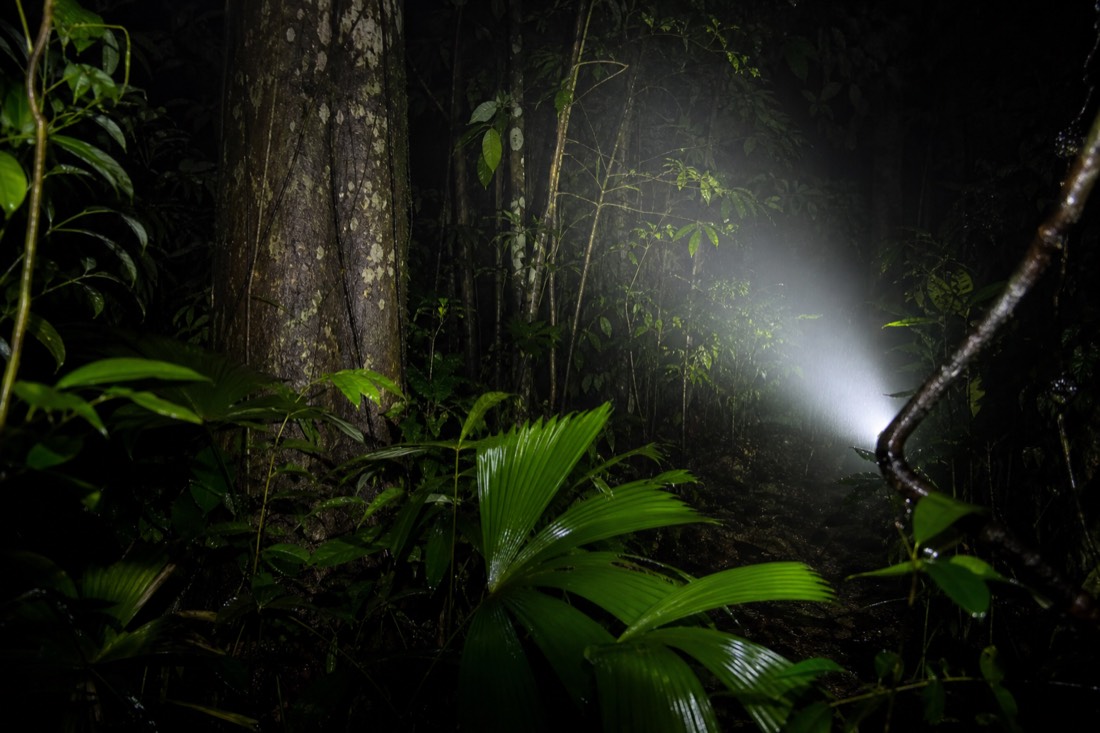
Picture the shape of it. You cross on the ferry mid-afternoon on day one, with fuel in the tank and groceries in the boot from Mossman. There is time to settle into a lodge or cabin, walk a short coastal boardwalk near Cape Tribulation while the light softens, and eat in. After dark, a torch on a slow loop turns up frogs, a possum or two, and insects you would never notice by day. The forest is loud at night in the best way.
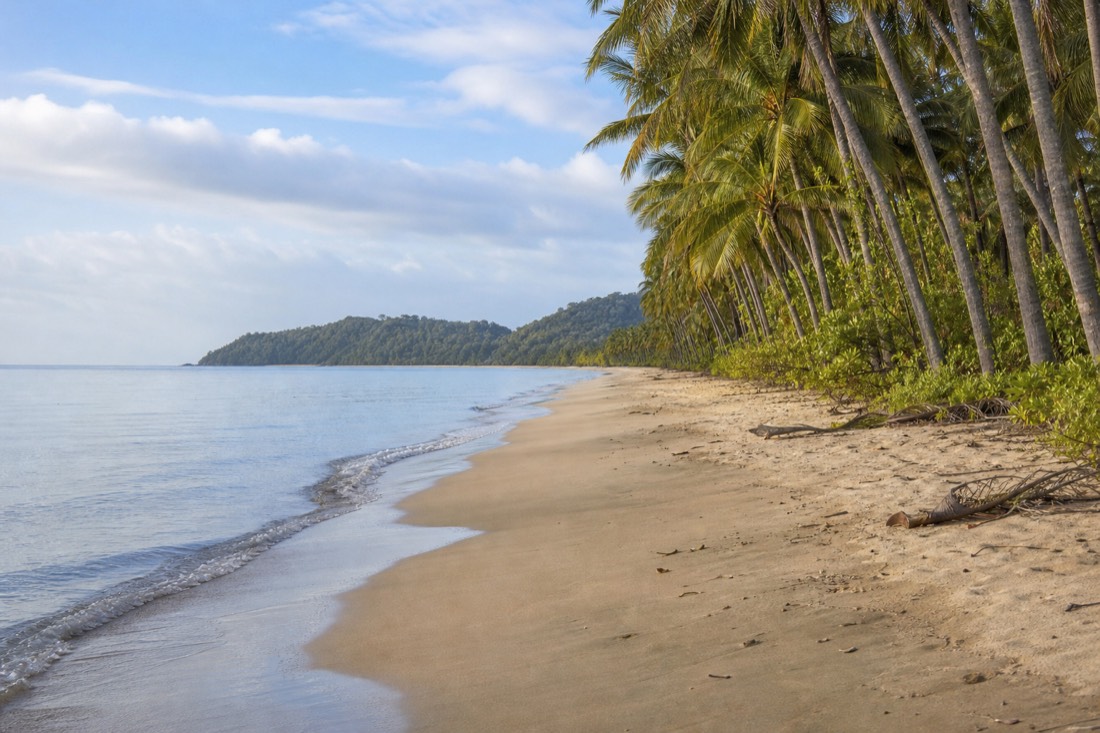
Day two is the reward for staying. Early, before any tour bus has crossed the river, the verges are the quietest they will be, and this is your best window for a cassowary sighting on foot or from the car at a crawl. Spend the morning on the Dubuji boardwalk and along Myall or Cape Tribulation Beach, keeping well back from the waterline, then slow the afternoon right down. If the reef is calling, a half-day snorkel trip runs from the beach here, and the point where two World Heritage areas meet is a short walk from where you slept.
On day three you drive south with the current of the day, not against it. Time a stop at Mossman Gorge for the boardwalk, but do not plan to swim: Queensland Parks and Wildlife Service does not recommend swimming there because currents and submerged hazards can be unpredictable. Add the tropical-fruit ice cream stop most people rave about, and you reach Port Douglas or Cairns having actually rested inside the forest rather than sprinting through it. That is the case for two nights in one afternoon and two mornings.
How Many Nights Should You Book, And What Should You Sort First?
Book one night north of the river if you can, two if the trip allows. Reserve rooms and any national park camping well ahead, because beds up here are limited. Sort groceries, fuel and offline maps before you cross, and pick tours around your base so pickups actually reach you.
The length question answers itself once you have stood on the north side at dusk. A day trip shows you the place; a night lets it settle. Here is the trade-off in plain terms.
| Length | What it gives you | Trade-off |
|---|---|---|
| Day trip only | The headline loop: gorge, river, Cape Trib | No dawn or dusk wildlife, lots of driving in one day |
| One night north | A sunset, a night walk, an unhurried morning | You still pack and move quickly |
| Two nights north | Longer walks, beach time, a night tour, the forest emptying out | Costs more, needs planning around off-grid stays |
| Seven-day escorted package | Reef, rainforest, Cairns and Port Douglas with four Cairns and two Port Douglas hotel nights | Minimum booking of two; adult pricing is listed for ages 18 to 85, while eligibility below 18 requires operator confirmation |
Two booking notes close this out. Most day tours do not include a bed, so accommodation is on you to arrange and availability should be checked for your dates. One escorted alternative is the seven-day package with hotels included, which bundles Cairns, Kuranda, the reef, Port Douglas and the Daintree. It requires at least two guests, lists adult pricing for ages 18 to 85, and requires operator confirmation for younger travelers. Whatever base you pick, book pickups that match it, because a full-day Cape Tribulation tour can depart from Cairns or Port Douglas when the selected pickup location is supported.